
If you've ever wondered what do pomegranates taste like before slicing into that leathery red fruit, you're not alone. This ancient superfruit delivers a flavor experience that's both familiar and distinctive—a burst of juicy sweetness balanced with bright acidity that makes it stand apart from other fruits.
The Complete Sensory Experience of Pomegranates
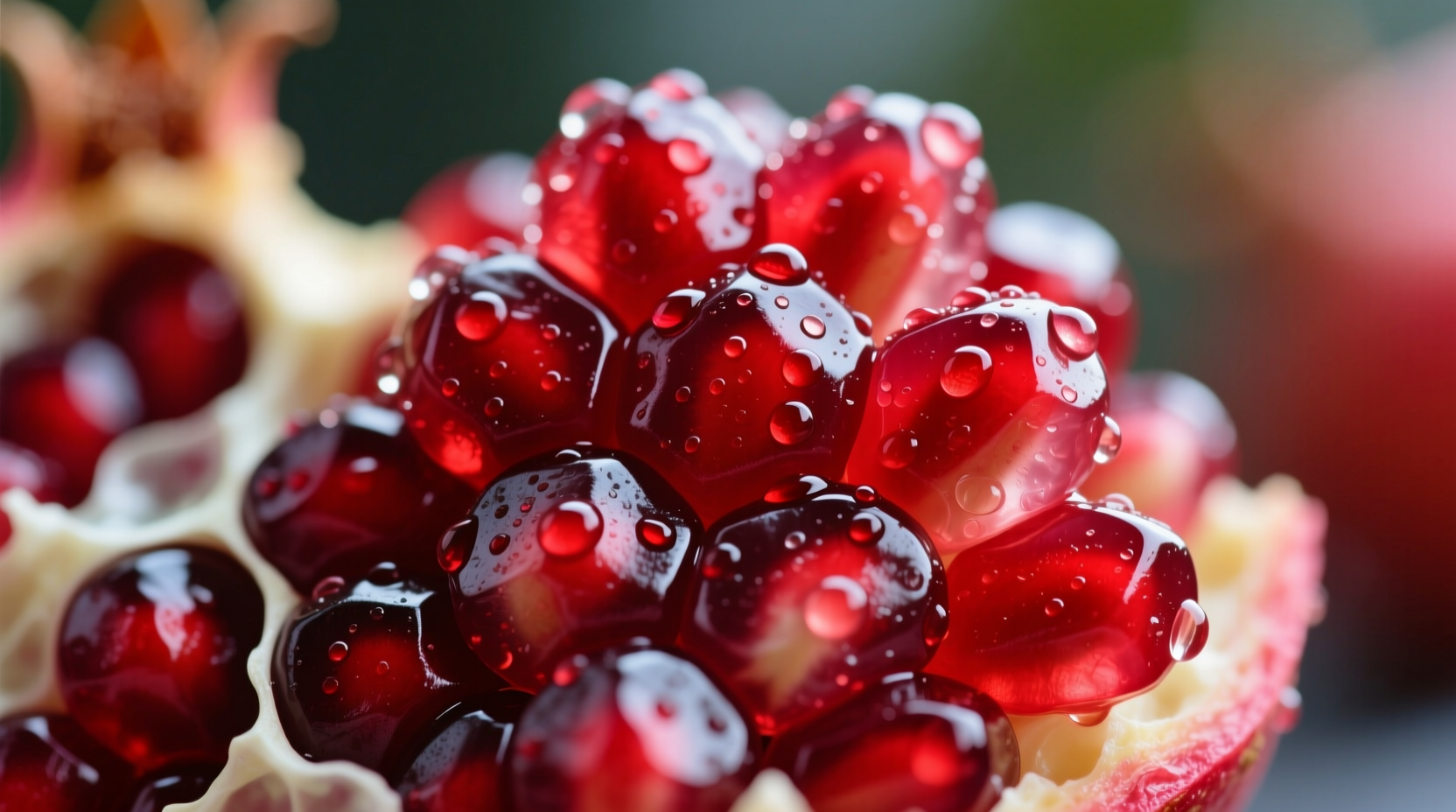
When you bite into a pomegranate aril (the juicy seed sac), you experience multiple sensory dimensions simultaneously:
- Taste: Initial sweetness followed by a refreshing tartness, with subtle floral undertones
- Texture: The gelatinous aril membrane gives way to a satisfying crunch from the seed
- Aroma: Bright, slightly floral scent with hints of citrus and berry
- Mouthfeel: Juicy explosion followed by a clean finish without lingering aftertaste
How Pomegranate Flavor Compares to Other Fruits
Understanding what pomegranates taste like becomes easier when comparing them to familiar fruits:
| Flavor Component | Similar To | Distinct Difference |
|---|---|---|
| Sweetness level | Raspberries | Less sugary, more complex sweetness |
| Tartness | Cranberries | Less aggressive acidity, more balanced |
| Overall profile | Strawberry + citrus blend | Unique floral notes not found in other fruits |
This comparison helps explain why many people describe what do pomegranates taste like as "cranberry's more sophisticated cousin"—similar tartness but with greater complexity and less one-dimensional sourness.
Factors That Influence Pomegranate Flavor
The exact taste experience varies based on several factors, which explains why your pomegranate taste experience might differ from others:
Ripeness Level
Underripe pomegranates deliver an unpleasantly sour experience with astringent notes, while perfectly ripe ones offer that ideal sweet-tart balance. The University of California Cooperative Extension notes that fully ripe pomegranates develop higher sugar content while maintaining their characteristic acidity, creating the optimal flavor profile (UCCE, 2023).
Varietal Differences
Not all pomegranates taste the same. Different varieties offer distinct flavor experiences:
- Wonderful: The most common commercial variety with balanced sweet-tart flavor
- Angelina: Noticeably sweeter with lower acidity, almost no tartness
- Acco: Intense tartness with complex berry-like notes
- King: Deep red arils with wine-like complexity and moderate tartness
Growing Conditions
According to agricultural research from the USDA National Institute of Food and Agriculture, pomegranates grown in regions with significant day-night temperature variations develop more complex flavor compounds (USDA NIFA, 2022). This explains why California-grown pomegranates often have more pronounced flavor than those from more uniformly warm climates.
When Pomegranates Taste Their Best (And When They Don't)
Understanding the context boundaries for optimal pomegranate flavor helps set proper expectations:
- Seasonality matters: Peak season (September-January in the Northern Hemisphere) delivers the most flavorful fruit
- Storage impact: Refrigerated pomegranates maintain flavor for 2-3 weeks, but quality declines rapidly after that
- Preparation technique: Proper deseeding preserves the delicate arils without releasing bitter compounds from the pith
- Temperature effect: Chilled pomegranates offer the most refreshing taste experience
Food science research shows that pomegranate juice undergoes subtle flavor changes when exposed to air, with anthocyanins (the compounds responsible for color) interacting with oxygen to create new flavor compounds over time (Journal of Food Science, 2021).
How to Select the Best Tasting Pomegranates
Follow these practical tips to ensure you get the most flavorful pomegranate possible:
- Weight test: Choose heavier fruits for their size, indicating more juice
- Skin inspection: Look for firm, slightly leathery skin without soft spots
- Color check: Deep, uniform red color (though some varieties are more pink or purple)
- Sound test: A metallic sound when tapped indicates ripeness
- Shape matters: Slightly angular shapes often contain more arils than perfectly round ones
Common Misconceptions About Pomegranate Flavor
Several myths persist about what pomegranates taste like:
- Myth: All pomegranates are extremely sour
Reality: Properly ripe pomegranates have a balanced sweet-tart profile, not overwhelming sourness - Myth: The seeds are bitter and unpleasant
Reality: The edible seeds provide a pleasant textural contrast without bitterness in quality fruit - Myth: Pomegranate juice tastes exactly like the fresh fruit
Reality: Commercial juice often lacks the nuanced floral notes of fresh arils due to processing
Enhancing Your Pomegranate Taste Experience
Professional chefs know that small adjustments can elevate your pomegranate flavor experience:
- Chill thoroughly before serving for maximum refreshment
- Add a pinch of salt to enhance natural sweetness
- Pair with complementary flavors like mint, orange, or vanilla
- Use in recipes where the tartness can balance rich ingredients
As Antonio Rodriguez explains, "The magic of pomegranates lies in their flavor versatility. That perfect sweet-tart balance makes them equally at home in savory dishes with lamb or as the star of a refreshing dessert. Understanding what do pomegranates taste like unlocks their potential in your kitchen."
Frequently Asked Questions
Are pomegranate seeds supposed to be crunchy?
Yes, the seeds (arils) have a pleasant, mild crunch that provides textural contrast to the juicy membrane. This crunch is normal and not a sign of underripeness.
Why does my pomegranate taste bitter?
Bitterness usually comes from accidentally chewing the white pith or membrane between sections. Proper deseeding technique prevents this. Underripe fruit can also taste unpleasantly astringent.
How can I tell if a pomegranate is sweet before buying?
While you can't taste before buying, heavier fruits for their size typically have more developed sweetness. Deep red color and a slightly angular shape also indicate better flavor development.
Does pomegranate taste change when cooked?
Yes, cooking concentrates the sweetness and reduces tartness. The floral notes become more pronounced, and the texture changes from juicy burst to a syrupy consistency.
Why do some pomegranates taste more tart than others?
Tartness varies by variety, ripeness, and growing conditions. Cooler climates produce more tart pomegranates, while extended warm seasons develop more sugar. The Wonderful variety maintains consistent tartness, while Angelina is notably sweeter.




 浙公网安备
33010002000092号
浙公网安备
33010002000092号 浙B2-20120091-4