
Many people searching for what do pee taste like are actually concerned about unusual taste sensations they're experiencing, not genuinely curious about tasting urine. This article addresses the underlying health concerns that prompt this question while providing medically accurate information about why tasting urine is dangerous and when to seek professional help.
Why You Should Never Taste Urine
Attempting to determine what do pee taste like is medically dangerous for several reasons. Urine contains waste products filtered from your bloodstream, including urea, creatinine, and potentially harmful bacteria. According to the Centers for Disease Control and Prevention, urine can harbor pathogens even in healthy individuals, making oral contact a potential route for infection transmission.
The American Urological Association explicitly warns against any practice involving tasting bodily fluids. Urine's composition varies based on hydration, diet, medications, and health conditions - but under no circumstances should it be considered safe for consumption outside normal bodily processes.
Understanding the Real Concern Behind This Question
When people search what do pee taste like, they're often experiencing concerning symptoms:
- Noticing a persistent metallic or unusual taste in their mouth
- Concerned about potential sweet tastes that might indicate health issues
- Misguided attempts to self-diagnose medical conditions
Rather than risking your health by tasting urine, understanding what these sensations might actually mean provides far more valuable information.
| Normal Urine Characteristics | Abnormal Indicators | When to Consult a Doctor |
|---|---|---|
| Clear to pale yellow color | Dark amber or brown color | Consistent abnormal color for 48+ hours |
| Mild odor | Strong, unusual, or sweet smell | Odor persists despite hydration |
| No taste sensation | Unusual mouth tastes (metallic, sweet) | Taste changes lasting more than 24 hours |
Medical Conditions That Cause Unusual Taste Sensations
If you're wondering what do pee taste like because you're experiencing unusual mouth sensations, these medical conditions could be the real cause:
Diabetes and Sweet Taste Perception
One of the most common reasons people search about urine taste relates to diabetes concerns. The American Diabetes Association explains that high blood sugar levels can cause:
- Dry mouth and altered taste perception
- Unusual sweet or metallic tastes
- Increased thirst and frequent urination
These symptoms occur because excess glucose affects nerve function and saliva composition - not because urine itself has entered the mouth. Tasting urine won't provide accurate diagnostic information and could worsen health complications.
Kidney Function and Taste Changes
The National Institute of Diabetes and Digestive and Kidney Diseases notes that kidney dysfunction can cause uremia, leading to:
- Ammonia-like taste in the mouth
- Metallic sensations
- Nausea and appetite changes
These symptoms reflect waste buildup in the bloodstream, not direct contact with urine. Proper medical testing provides accurate diagnosis, while tasting urine offers no diagnostic value and introduces infection risks.
When to See a Healthcare Professional
Understanding the context boundaries for when taste changes require medical attention is crucial. The following situations warrant professional consultation rather than personal experimentation:
- Persistent unusual tastes lasting more than 24-48 hours
- Taste changes accompanied by excessive thirst or urination
- Unexplained weight loss with altered taste perception
- History of diabetes, kidney disease, or other chronic conditions
During your appointment, healthcare providers will likely perform:
- Blood glucose testing
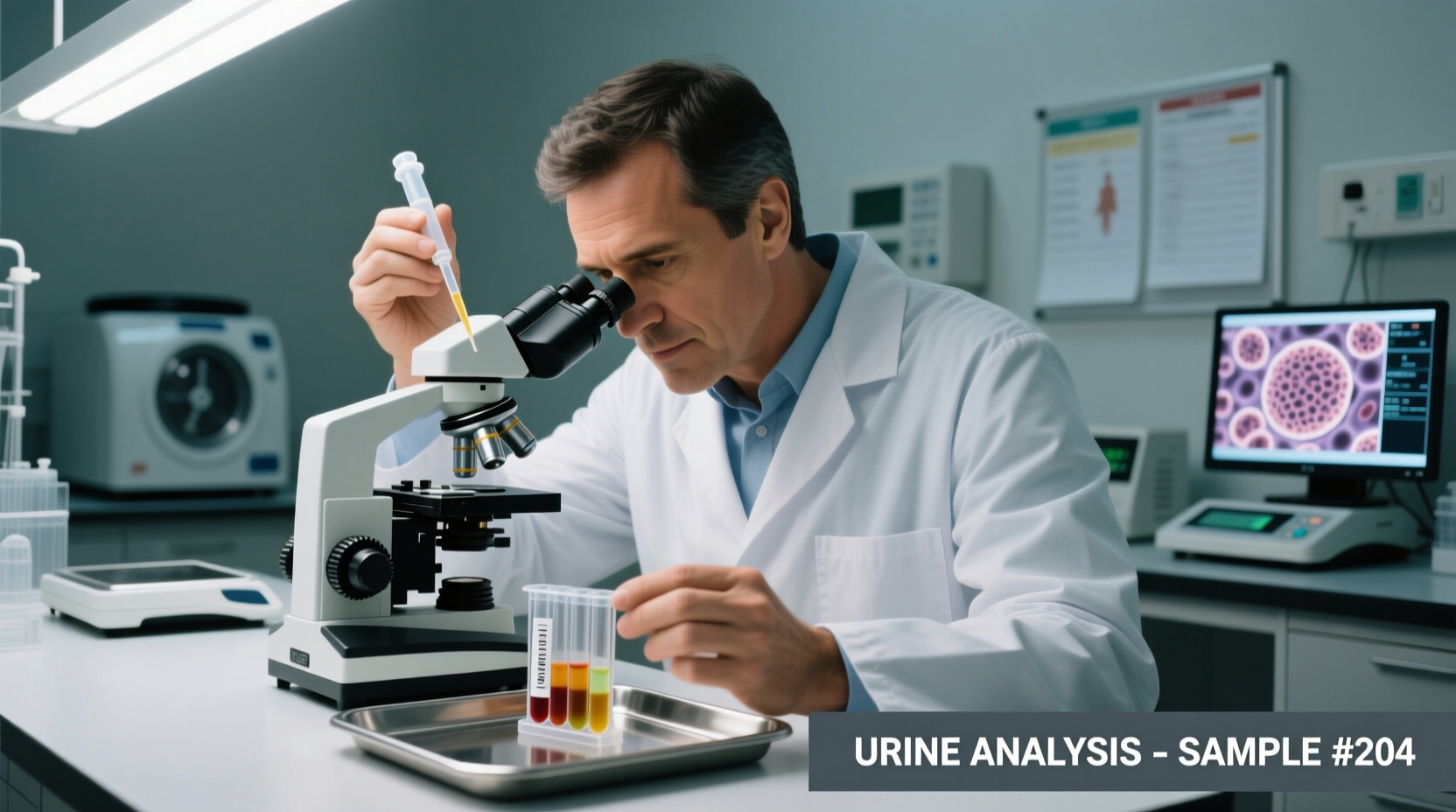
- Urine analysis (properly collected sample)
- Kidney function tests
- Comprehensive medical history review
These evidence-based approaches provide accurate diagnosis without the health risks associated with tasting urine.
Healthy Alternatives for Monitoring Your Health
Instead of searching what do pee taste like or attempting dangerous self-experimentation, consider these safe monitoring practices:
- Track urine color using a standard urine color chart
- Maintain proper hydration (aim for pale yellow urine)
- Record symptoms in a health journal for doctor visits
- Learn to recognize normal bodily functions through reputable medical resources
Understanding your body's signals through proper medical channels provides reliable information without unnecessary health risks.
Frequently Asked Questions
Why do people search what do pee taste like?
Most searches about urine taste stem from concerns about unusual mouth sensations, not genuine curiosity. People experiencing metallic, sweet, or other abnormal tastes often mistakenly believe these relate to urine characteristics rather than recognizing them as potential medical symptoms requiring professional evaluation.
Can tasting urine help diagnose diabetes?
No, tasting urine cannot reliably diagnose diabetes and poses significant health risks. Modern medical testing provides accurate diagnosis through blood glucose measurements and HbA1c tests. Historical practices of urine tasting have been replaced by safe, evidence-based diagnostic methods that don't expose patients to infection risks.
What causes a sweet taste in the mouth that people associate with urine?
A sweet mouth sensation typically indicates high blood sugar levels affecting saliva composition and nerve function, not direct contact with urine. Conditions like diabetes, certain medications, or infections can alter taste perception. The American Diabetes Association recommends blood testing rather than self-assessment through taste for accurate diagnosis.
Is there any safe way to understand urine composition?
Medical professionals analyze urine safely through laboratory testing of properly collected samples. Home urine test strips available at pharmacies can check specific markers like glucose or pH levels. Never attempt to assess urine through taste, as this introduces infection risks and provides no reliable health information compared to proper medical testing.
How quickly should I see a doctor for unusual taste sensations?
Consult a healthcare provider if unusual tastes persist beyond 48 hours, especially when accompanied by other symptoms like excessive thirst, frequent urination, or unexplained weight loss. The National Institute of Diabetes and Digestive and Kidney Diseases emphasizes that early intervention leads to better outcomes for conditions affecting taste perception.




 浙公网安备
33010002000092号
浙公网安备
33010002000092号 浙B2-20120091-4