
If you've ever wondered what gives hearts of palm their distinctive character in salads, vegan "crab" cakes, or Brazilian pâtés, you're not alone. This elegant vegetable has been captivating chefs and home cooks with its versatile flavor profile and impressive nutritional benefits. Let's explore exactly what makes hearts of palm such a unique ingredient in culinary applications worldwide.
Understanding Hearts of Palm: More Than Just Flavor
Hearts of palm come from the inner core and growing bud of certain palm trees, primarily the peach palm (Bactris gasipaes) and coconut palm. Harvested before the tree fully develops, these tender shoots represent the plant's most delicate growth stage. According to the USDA Agricultural Research Service, the harvesting process directly impacts both texture and flavor profile, with younger hearts offering sweeter, more delicate notes.
Available primarily in canned or jarred form in most markets (fresh hearts of palm are rare outside tropical regions), this ingredient has become increasingly popular among health-conscious eaters and chefs seeking sustainable, plant-based options. The canning process slightly alters the natural flavor, often requiring a quick rinse before use to remove any metallic notes from the container.
The Complete Sensory Experience
When evaluating what hearts of palm taste like, we need to consider multiple sensory dimensions beyond just flavor:
Taste Profile
Hearts of palm deliver a remarkably clean, mild flavor that makes them incredibly versatile. Their natural sweetness is subtle—more reminiscent of fresh corn than sugary sweetness—with gentle nutty undertones that become more pronounced when roasted or grilled. Unlike many vegetables, they contain almost no bitterness, making them exceptionally approachable for sensitive palates.
Texture Characteristics
The texture is where hearts of palm truly shine. They offer a satisfying tender-crisp bite that maintains integrity in salads and cold dishes while softening beautifully in cooked preparations. This unique textural quality explains why they've become popular in vegan cooking as a substitute for seafood in dishes like "crab" cakes—their fibrous yet delicate structure mimics certain seafood textures remarkably well.
Aroma and Visual Appeal
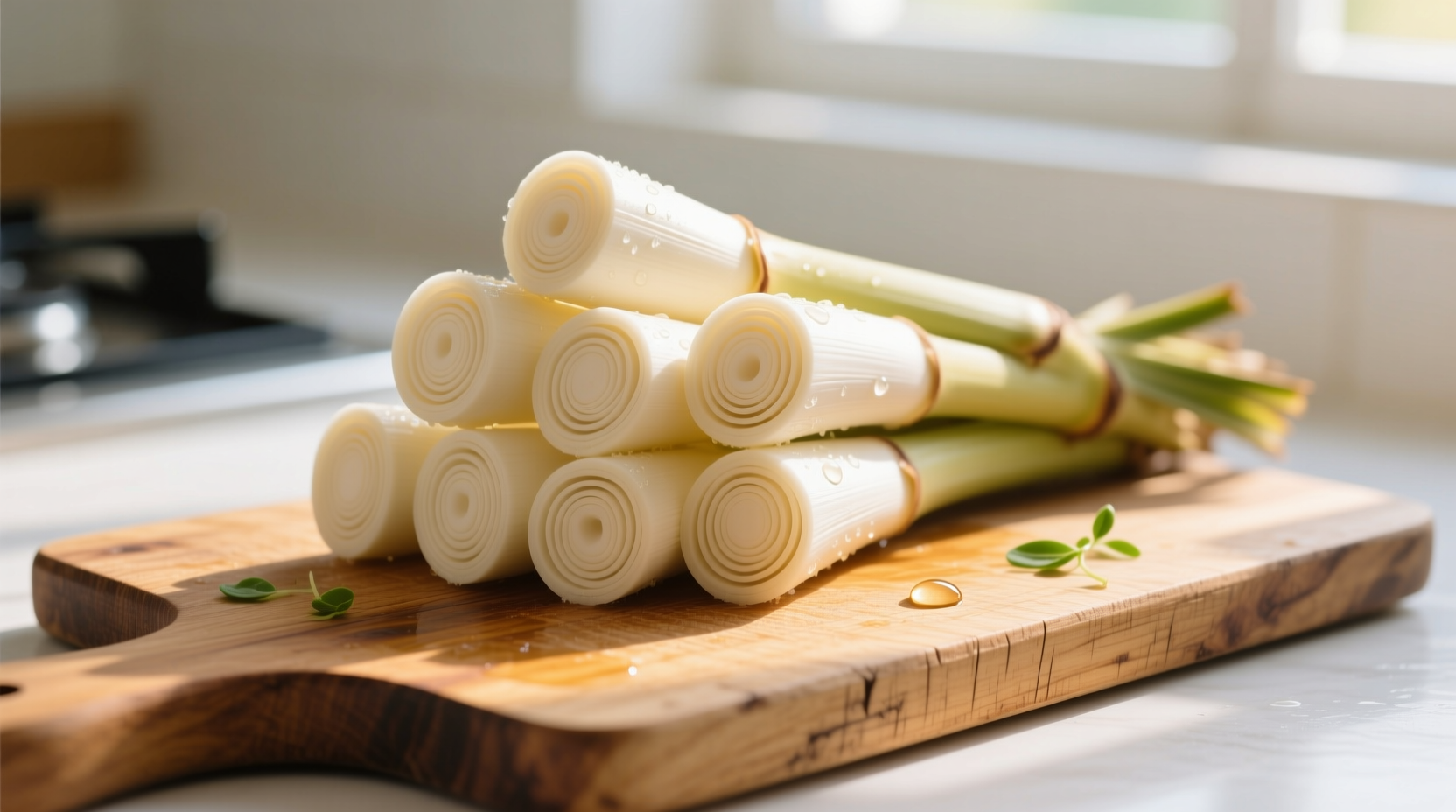
Fresh hearts of palm have a clean, slightly earthy aroma with subtle vegetal notes. Their bright white to pale yellow color provides beautiful visual contrast in dishes, making them a favorite for chefs creating visually appealing plates. When cooked properly, they maintain their elegant appearance without becoming mushy or discolored.
How Hearts of Palm Compare to Familiar Vegetables
| Vegetable | Flavor Profile | Texture | Best Substitution Context |
|---|---|---|---|
| Hearts of Palm | Mild, subtly sweet with nutty undertones | Tender-crisp, fibrous yet delicate | Base ingredient |
| Artichoke Hearts | Earthy, slightly nutty with herbal notes | Softer, more fibrous | When stronger flavor is acceptable |
| White Asparagus | Grassy, slightly bitter | Firmer, more fibrous | For similar texture but different flavor |
| Jicama | Sweet, slightly starchy | Crisp, juicy | Raw applications only |
This comparison reveals why hearts of palm can't be perfectly substituted in all recipes. While artichoke hearts share some flavor similarities, they're significantly more fibrous and have a stronger earthy taste. White asparagus offers comparable texture but with more pronounced grassy notes. The unique combination of mild flavor and tender-crisp texture makes hearts of palm stand apart.
Maximizing Hearts of Palm Flavor in Your Cooking
Understanding what hearts of palm taste like is just the beginning—you'll want to know how to make the most of their delicate flavor in your kitchen:
Preparation Techniques That Enhance Natural Flavor
- Rinse thoroughly: Canned hearts of palm benefit from a 10-minute soak in cold water to remove any metallic taste
- Pat dry before cooking: Excess moisture prevents proper browning and flavor development
- Quick sear: A hot pan with olive oil for 2-3 minutes enhances their natural nuttiness
- Marinate briefly: Their mild flavor absorbs dressings beautifully, but avoid acidic marinades longer than 30 minutes
Ideal Flavor Pairings
Hearts of palm's mild nature makes them incredibly versatile. They shine when paired with:
- Citrus elements (lemon, orange, yuzu) that complement their subtle sweetness
- Herbs like dill, chives, or tarragon that enhance without overwhelming
- Creamy elements (avocado, coconut milk, Greek yogurt) that contrast their light texture
- Umami boosters (mushroom powder, nutritional yeast, miso) that add depth without competing
Dishes Where Hearts of Palm Truly Shine
For those exploring what hearts of palm taste like in different applications, these preparations showcase their versatility:
- Hearts of palm ceviche: Their tender-crisp texture holds up beautifully to citrus marinades
- Vegan "crab" cakes: When shredded, they mimic seafood texture remarkably well
- Hearts of palm risotto: Their mild flavor absorbs the rice's creaminess while adding textural interest
- Grilled hearts of palm skewers: Develop delicious caramelized edges while maintaining interior tenderness
Contextual Considerations: When Hearts of Palm Work Best
Understanding the specific contexts where hearts of palm excel—and where they might disappoint—is crucial for successful cooking. Based on culinary research from institutions like the Culinary Institute of America, hearts of palm perform best in these scenarios:
- As a featured ingredient in light, fresh dishes where their delicate flavor can shine
- In vegan/vegetarian applications requiring seafood-like texture without strong flavor
- When served chilled in salads or cold appetizers (their texture holds up better than many vegetables)
- With complementary flavors that enhance rather than compete with their mild profile
They're less successful when:
- Used as the sole flavor component in heavily spiced dishes
- Overcooked, which causes them to become mushy and lose their distinctive texture
- Substituted for ingredients with stronger flavor profiles without recipe adjustments
According to food science research from the Journal of Food Science, the optimal cooking time for maintaining hearts of palm's desirable texture is between 2-4 minutes when sautéing or grilling. Longer cooking times cause their cellular structure to break down rapidly, resulting in a less appealing texture.




 浙公网安备
33010002000092号
浙公网安备
33010002000092号 浙B2-20120091-4