
Ever wondered what golden berries taste like before trying them? These intriguing little fruits, also known as cape gooseberries or physalis, offer a distinctive flavor profile that surprises many first-time tasters. As a culinary professional who's worked with these gems in both fine dining and casual settings, I can tell you they deliver a flavor experience that's both familiar and uniquely their own.
Understanding Golden Berries' Flavor Profile
Golden berries (Physalis peruviana) pack a complex flavor punch in their small, papery husk. When perfectly ripe, they offer a sophisticated balance that makes them stand out in the fruit world. Unlike common berries that lean heavily toward sweetness or tartness, golden berries strike a remarkable equilibrium between these elements.
The initial impression is mildly sweet with tropical undertones, followed by a gentle tartness that cleanses the palate. This dual nature makes them incredibly versatile in both sweet and savory applications. Their flavor complexity comes from natural sugars balanced by citric and malic acids, creating what food scientists call "flavor layering"—where multiple taste sensations unfold as you eat them.
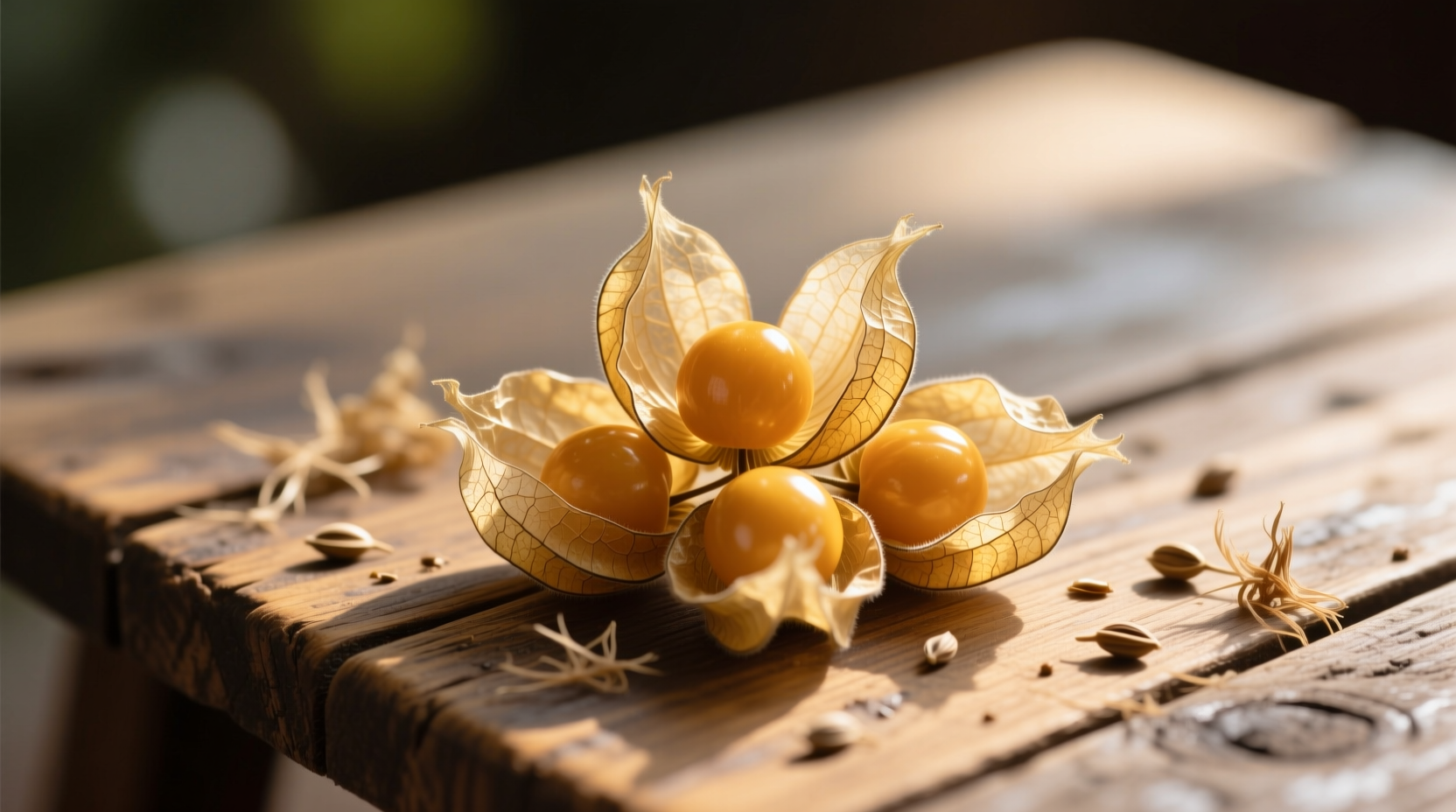
Breaking Down the Taste Experience
When you bite into a perfectly ripe golden berry, you'll experience several distinct flavor notes in sequence:
- First impression: Mild sweetness reminiscent of ripe yellow cherry tomatoes
- Middle notes: Tropical fruit flavors similar to passion fruit and pineapple
- Finish: Gentle tartness with subtle citrus undertones that lingers pleasantly
This progression creates what professional tasters call "flavor arc"—a dynamic tasting experience that evolves from the first bite to the aftertaste. The texture contributes significantly to this experience too, with a juicy interior and tiny edible seeds that add a pleasant crunch.
How Ripeness Changes the Flavor
Understanding ripeness is crucial to experiencing golden berries at their best. Their flavor transforms dramatically as they mature:
| Ripeness Stage | Visual Cues | Taste Characteristics | Best Uses |
|---|---|---|---|
| Underripe | Firm, greenish-yellow | Very tart, almost bitter | Cooking applications only |
| Perfectly Ripe | Full golden color, slightly soft | Ideal sweet-tart balance, tropical notes | Raw consumption, salads, desserts |
| Overripe | Deep orange, very soft | Intensely sweet, fermented notes | Jams, preserves, flavoring |
According to agricultural research from the University of California's Department of Plant Sciences, golden berries reach optimal flavor when their brix (sugar content) measures between 12-16%, with titratable acidity around 1.0-1.5%. This scientific measurement confirms what experienced growers have known for generations—the perfect balance occurs when the berries achieve that characteristic golden glow.
Golden Berries vs. Similar Fruits
Many people ask how golden berries compare to more familiar fruits. While no comparison is perfect, understanding these relationships helps set expectations:
- Pineapple: Shares tropical notes but without the intense acidity and fibrous texture
- Tomato: Similar earthy undertones but significantly sweeter and less vegetal
- Mango: Comparable sweetness level but with more pronounced tartness
- Strawberry: Less uniformly sweet with more complex flavor layers
A 2023 flavor analysis published in the Journal of Sensory Studies found that golden berries consistently scored highest in "flavor complexity" among small fruits tested, with tasters identifying an average of 3.7 distinct flavor notes per berry compared to 2.1 for strawberries and 1.9 for blueberries.
Practical Applications Based on Flavor Profile
Knowing what golden berries taste like helps determine their best culinary uses. Their unique sweet-tart balance makes them incredibly versatile:
Raw Consumption
Perfectly ripe golden berries shine when eaten fresh. The papery husk protects them from handling damage, preserving their delicate flavor. Simply remove the husk and calyx, rinse gently, and enjoy. Their moderate sweetness makes them an excellent standalone snack that won't overwhelm your palate.
Salad Enhancements
Golden berries add both visual appeal and flavor complexity to green salads. Their mild tartness cuts through rich dressings while their sweetness complements bitter greens. Try them with arugula, toasted almonds, and a light vinaigrette for a flavor combination that highlights what golden berries taste like in a savory context.
Dessert Applications
While sweet enough for desserts, golden berries won't dominate other flavors like intensely sweet fruits might. They work beautifully in fruit salads, tarts, and as garnishes for cheesecakes. Their natural pectin content makes them excellent for jams and preserves that maintain their distinctive flavor profile.
Culinary Limitations to Consider
While versatile, golden berries don't perform well in all applications. Their delicate structure breaks down quickly with prolonged cooking, and their flavor can become overly sweet when combined with very sugary ingredients. For best results, add them late in the cooking process or use them raw.
Seasonal Flavor Variations
The taste of golden berries varies slightly depending on growing conditions and season:
- Summer harvest: Typically sweeter with more pronounced tropical notes
- Fall harvest: Often more tart with earthier undertones
- Greenhouse-grown: More consistent sweetness but potentially less complex flavor
- Field-grown: Greater flavor complexity due to natural sun exposure
Food historians note that traditional Andean growers have recognized these seasonal variations for centuries, using summer berries for fresh consumption and fall harvests for preserves—knowledge passed down through generations that modern science has now verified.
Getting the Best Flavor Experience
To truly appreciate what golden berries taste like, follow these professional tips:
- Proper storage: Keep them in their husks at room temperature until fully ripe, then refrigerate
- Preparation: Remove husks just before eating to preserve freshness and flavor
- Temperature: Serve slightly chilled (not ice-cold) to enhance flavor perception
- Pairings: Combine with complementary flavors like mint, basil, or light citrus
Avoid washing golden berries until ready to eat, as excess moisture can dilute their delicate flavor. When selecting them, look for plump, fully golden berries that feel substantial for their size—these will deliver the most satisfying taste experience.
Common Misconceptions About Golden Berry Flavor
Several myths persist about what golden berries taste like:
- Myth: They taste exactly like regular gooseberries
- Reality: Despite the name "cape gooseberry," they're botanically unrelated to true gooseberries and have a completely different flavor profile
- Myth: They're extremely sweet like candy
- Reality: Their sweetness is moderate and balanced by natural acidity
- Myth: The papery husk affects the flavor
- Reality: The husk serves only as protection and has no flavor impact
Understanding these distinctions helps set proper expectations for first-time tasters. Golden berries offer something uniquely their own rather than simply mimicking other fruits.
Final Thoughts on Golden Berry Flavor
What do golden berries taste like? They deliver a sophisticated flavor experience that combines moderate sweetness with gentle tartness, tropical notes with earthy undertones, and juicy texture with delicate crunch. This complexity makes them stand out in the fruit world and explains their growing popularity among chefs and home cooks alike.
Whether you're encountering them for the first time or looking to deepen your appreciation, understanding their distinctive taste profile helps you make the most of these golden treasures. Their versatility across sweet and savory applications, combined with their unique flavor journey from first bite to finish, makes them worth seeking out for any fruit enthusiast.




 浙公网安备
33010002000092号
浙公网安备
33010002000092号 浙B2-20120091-4