
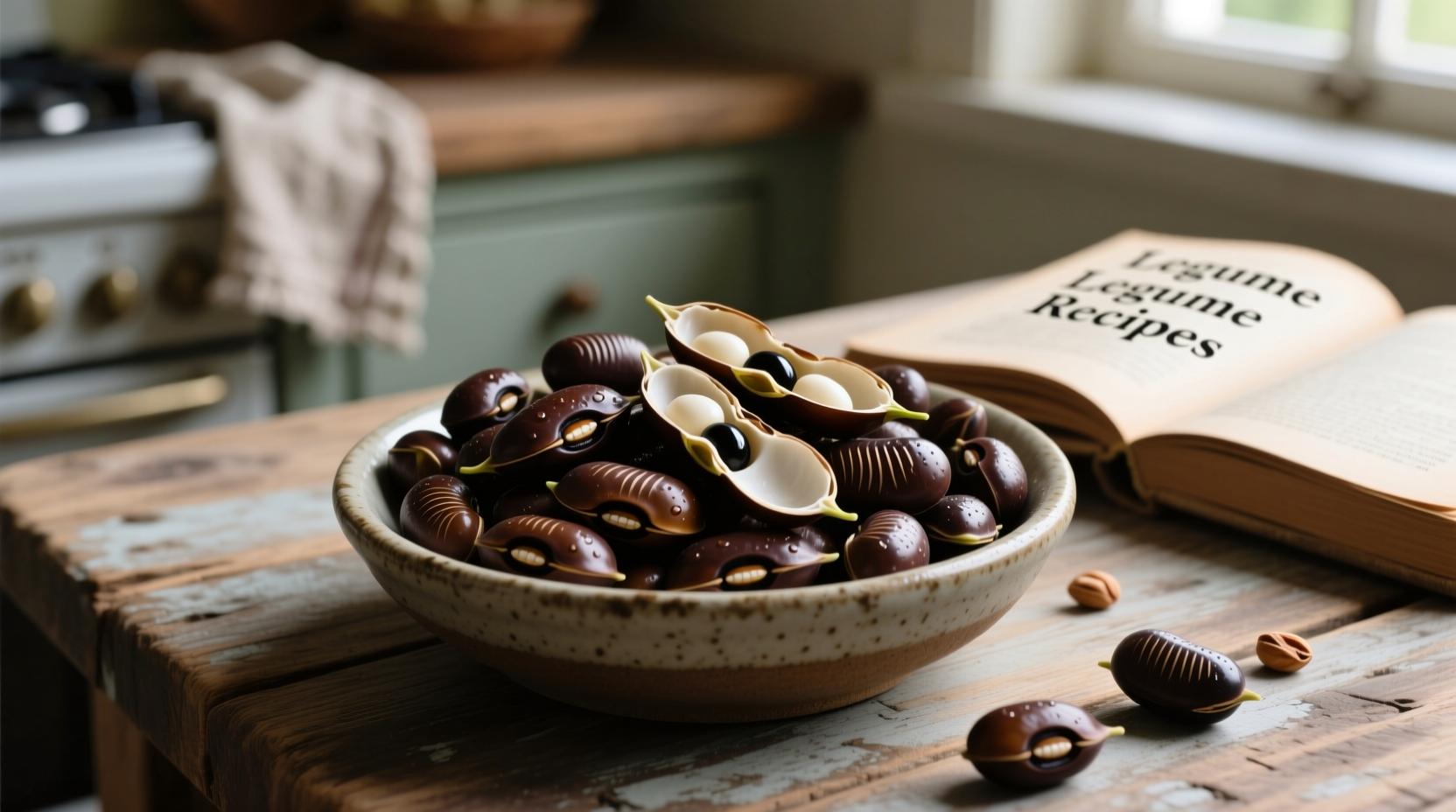
When you first taste a properly cooked black-eyed pea, you'll notice its gentle earthiness isn't overpowering like some other legumes. Unlike the pronounced bitterness of lima beans or the intense starchiness of navy beans, black-eyed peas offer a balanced profile that serves as the perfect culinary canvas. This distinctive taste characteristic explains why they've become a staple across multiple culinary traditions worldwide.
The Flavor Profile Breakdown
Black-eyed peas deliver a complex yet approachable flavor experience that changes based on preparation methods. Their signature taste emerges from several key components:
- Earthy foundation - A gentle soil-like quality reminiscent of fresh mushrooms
- Nutty undertones - Similar to fresh chestnuts or mild almonds
- Subtle sweetness - More pronounced than in kidney beans but less than cannellini
- Minimal bitterness - When properly cooked, they lack the astringency found in some dried legumes
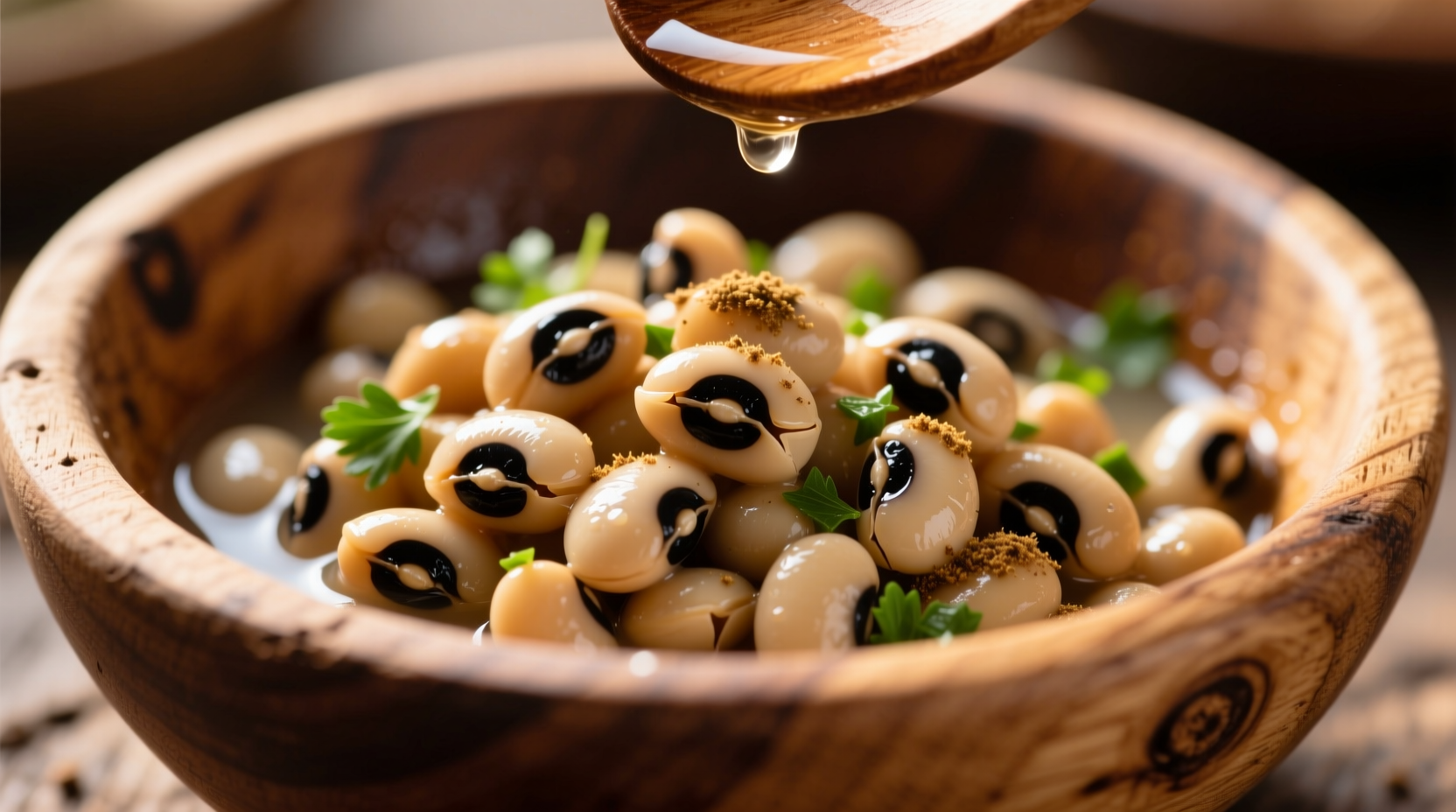
The small black "eye" doesn't significantly affect flavor but does provide visual contrast against the creamy beige body. Professional chefs like Maya Gonzalez note that "black-eyed peas' magic lies in their culinary adaptability—they're never the star that overwhelms, but the supporting actor that elevates everything around it."
How Cooking Methods Transform Flavor
Your preparation technique dramatically impacts the final taste experience. Understanding these variables helps you achieve your desired flavor profile:
| Cooking Method | Flavor Impact | Texture Result |
|---|---|---|
| Traditional simmering | Develops natural sweetness | Creamy with intact shape |
| Pressure cooking | Mellows earthiness | Softer, slightly broken |
| Slow cooking with meats | Rich umami absorption | Firm yet tender |
| Raw (in salads) | Grassy, slightly bitter | Crunchy, unpleasant |
According to agricultural research from Texas A&M University's AgriLife Extension, the legume's flavor compounds become most pronounced when cooked between 180-200°F for 45-60 minutes. Cooking below this temperature range leaves them chalky and underdeveloped, while exceeding it causes flavor dissipation and mushiness (Texas A&M AgriLife Extension).
Flavor Comparisons: Black-Eyed Peas vs Other Legumes
Understanding how black-eyed peas differ from similar legumes helps home cooks make informed substitutions:
- Compared to pinto beans: Black-eyed peas are less earthy and substantially less starchy, with a cleaner finish
- Versus chickpeas: They lack the pronounced nuttiness of garbanzos but share a similar creaminess when cooked
- Next to lentils: They maintain structural integrity better than most lentils while offering milder flavor
- Unlike black beans: They have significantly less metallic aftertaste and greater natural sweetness
The USDA's FoodData Central confirms that black-eyed peas contain 35% less phytic acid than navy beans, which contributes to their smoother, less astringent taste profile when properly prepared (USDA FoodData Central).
Maximizing Flavor Through Pairings
Black-eyed peas shine when matched with complementary ingredients that enhance their natural characteristics:
Classic Flavor Enhancers
- Smoked meats - Ham hocks, bacon, or turkey legs add savory depth that penetrates the peas
- Aromatic vegetables - Onions, garlic, and celery create flavor foundations
- Acidic components - Vinegar or citrus added at the end brightens earthy notes
- Warm spices - Black pepper, cumin, and cayenne enhance without overpowering
Professional chefs recommend the "layering technique" for optimal flavor development: sauté aromatics first, add peas with broth, simmer with smoked meat, then finish with acid. This method allows the peas to absorb flavors at different stages of cooking, creating multidimensional taste rather than one-note absorption.
Regional Flavor Variations
Cultural preparation methods significantly alter the final taste experience:
- American South - Cooked with pork, onions, and sometimes a splash of vinegar for New Year's tradition
- West Africa - Prepared as moin moin with peppers, onions, and palm oil for spicy, savory cakes
- Brazilian - Featured in acarajé with dendê oil and hot peppers for street food snacks
- Indian subcontinent - Cooked as lobia with cumin, coriander, and tamarind for tangy curries
The Smithsonian's food history archives document how enslaved Africans transformed this Old World legume into a culinary cornerstone across the Americas by adapting preparation methods to available ingredients (Smithsonian Institution).
Common Flavor Mistakes to Avoid
Several preparation errors can compromise black-eyed peas' natural taste:
- Skipping the rinse - Residual starch creates unpleasant sliminess
- Adding salt too early - Causes toughening and uneven cooking
- Overcooking - Destroys texture and dissipates flavor compounds
- Insufficient seasoning - Leaves them tasting bland and one-dimensional
Food science research shows that adding salt only during the last 15 minutes of cooking preserves cellular structure while allowing proper flavor penetration (USDA National Agricultural Library).
Storage Impact on Flavor
How you store black-eyed peas significantly affects their final taste:
- Fresh - Best used within 3 days; develops grassy notes when stored longer
- Dried - Maintain optimal flavor for 12-18 months in airtight containers away from light
- Canned - Often have metallic aftertaste; rinse thoroughly before use
- Frozen - Preserves texture better than canned but may develop freezer burn
For the most authentic black-eyed peas taste experience, dried varieties consistently outperform canned options in blind taste tests conducted by culinary institutions like the Culinary Institute of America.
Seasonal Flavor Variations
Fresh black-eyed peas (available summer through early fall) offer a distinctly different experience from dried versions:
- Fresh - Sweeter, more vegetal flavor with tender skin
- Dried - More concentrated earthiness with heartier texture
Chefs specializing in seasonal cooking recommend using fresh black-eyed peas in salads and quick sautés, while reserving dried versions for slow-cooked dishes where their flavor-absorbing qualities shine.
Practical Flavor Application Tips
Transform your black-eyed peas from bland to brilliant with these professional techniques:
- Toast dried peas in a dry pan for 2-3 minutes before cooking to enhance nuttiness
- Add a strip of kombu seaweed during cooking for natural umami boost
- Finish with a splash of apple cider vinegar to brighten earthy notes
- Stir in a tablespoon of smoked paprika for depth without meat
- Let cooked peas rest in their broth for 15 minutes before serving
These methods leverage food science principles to maximize flavor compound development while maintaining ideal texture—techniques developed through centuries of culinary tradition and refined by modern food research.




 浙公网安备
33010002000092号
浙公网安备
33010002000092号 浙B2-20120091-4