
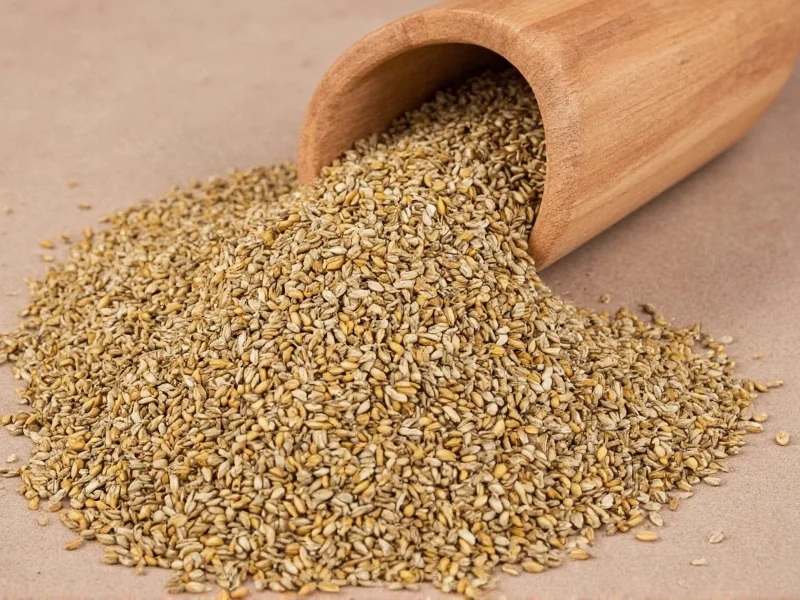
The best substitutes for caraway seeds are dill seeds (1:1 ratio), fennel seeds (use 3/4 amount), anise seeds (use half amount), cumin seeds (for earthy flavor), or a blend of coriander and fennel seeds. Each alternative works best in specific dishes like rye bread, goulash, or pickling recipes depending on the flavor profile you need.
When you're in the middle of preparing traditional European dishes like rye bread, goulash, or sauerkraut and realize you're out of caraway seeds, finding an effective replacement becomes essential. Caraway seeds provide a distinctive flavor profile—earthy with subtle notes of citrus, pepper, and anise—that's difficult to replicate exactly. Understanding what you can substitute for caraway seeds requires knowledge of both the seed's unique characteristics and how different alternatives interact with various recipes.
Understanding Caraway Seeds and Their Role in Cooking
Caraway seeds come from the caraway plant (Carum carvi), a member of the parsley family. These crescent-shaped seeds deliver a complex flavor that's simultaneously warm, slightly sweet, peppery, and带有 a distinctive anise-like note. This unique combination makes them indispensable in traditional Central and Eastern European cuisine, particularly in rye breads, goulash, cabbage dishes, and certain cheeses.
When considering caraway seeds substitute options, it's crucial to understand that no single alternative perfectly replicates caraway's complete flavor profile. The best replacement depends on your specific recipe and what aspect of caraway's flavor you're trying to preserve—whether it's the earthiness, the slight citrus note, or the anise-like quality.
Top Substitutes for Caraway Seeds
Dill Seeds: The Closest Flavor Match
Dill seeds offer the most similar flavor profile to caraway seeds, sharing that distinctive anise-like quality with slightly less intensity. They work exceptionally well as a caraway seeds substitute in rye bread and pickling recipes.
Usage tip: Use dill seeds in a 1:1 ratio when replacing caraway seeds. For traditional rye bread recipes, dill seeds maintain the characteristic flavor while providing a slightly more herbal note.
Fennel Seeds: For Anise-Like Flavor
Fennel seeds provide a stronger anise/licorice flavor than caraway but lack some of the earthy notes. They're particularly effective in soups, stews, and meat dishes where caraway is used.
Usage tip: Use fennel seeds at 3/4 the amount of caraway called for in your recipe. This caraway seeds alternative works beautifully in goulash and other hearty stews where you want to maintain that distinctive European flavor profile.
Anise Seeds: For Stronger Licorice Notes
Anise seeds deliver a more pronounced licorice flavor than caraway. While not identical, they can work well when you specifically want to emphasize that aspect of caraway's profile.
Usage tip: Use only half the amount of anise seeds compared to caraway seeds. This caraway seeds replacement is particularly effective in baking applications and certain pickling recipes where a stronger anise flavor is acceptable.
Cumin Seeds: For Earthy Flavor Profiles
Cumin offers the earthy component of caraway's flavor but lacks the citrus and anise notes. It works best in savory dishes where earthiness is the primary characteristic you're trying to preserve.
Usage tip: Use cumin at a 1:1 ratio when substituting for caraway. This caraway seeds alternative shines in meat dishes and certain vegetable preparations where you want to maintain depth without the anise component.
Coriander-Fennel Blend: The Balanced Approach
For the most comprehensive caraway replacement, combine equal parts coriander and fennel seeds. Coriander provides the citrus note while fennel contributes the anise quality, creating a surprisingly close approximation.
Usage tip: Use this blend at a 1:1 ratio to replace caraway seeds. This caraway seeds substitute combination works exceptionally well in traditional European dishes where caraway's full flavor profile is essential to the recipe's authenticity.
| Substitute | Ratio | Best For | Flavor Notes |
|---|---|---|---|
| Dill seeds | 1:1 | Rye bread, pickling | Closest overall match, slightly more herbal |
| Fennel seeds | 3:4 | Goulash, stews, sauerkraut | Stronger anise, less earthy |
| Anise seeds | 1:2 | Baking, pickling | Strong licorice flavor |
| Cumin seeds | 1:1 | Meat dishes, savory recipes | Earthy without citrus/anise notes |
| Coriander-fennel blend | 1:1 | Traditional European dishes | Best balanced alternative |
What Not to Substitute for Caraway Seeds
While many seeds can work as caraway alternatives, some common suggestions fall short:
- Caraway powder: Ground caraway loses flavor quickly and has a different texture
- Star anise: Too strong and will dominate the dish
- Dill weed: Fresh or dried dill herb lacks the seed's concentrated flavor
- Fennel fronds: Too delicate and won't provide the necessary flavor intensity
Substitution Guidance by Dish Type
Different recipes require different substitution approaches when you need a caraway seeds replacement:
For Rye Bread and Baking
Dill seeds provide the closest match for traditional rye bread. If unavailable, use the coriander-fennel blend. Avoid anise seeds in bread recipes as they can become overpowering during baking. When searching for caraway seeds substitute in rye bread specifically, dill seeds maintain the authentic flavor profile while providing similar visual appeal.
For Goulash and Hearty Stews
Fennel seeds work exceptionally well as a caraway seeds alternative in goulash and other meat-based stews. The 3:4 ratio prevents the anise flavor from overwhelming the dish while maintaining that essential European character. This caraway seeds substitute for goulash preserves the traditional flavor profile without requiring hard-to-find ingredients.
For Pickling and Preserves
Dill seeds are the superior choice when you need a caraway seeds replacement for pickling recipes. Their similar flavor profile complements vinegar-based brines perfectly. For sauerkraut specifically, the coriander-fennel blend creates an excellent caraway seeds substitute that maintains traditional flavor notes.
Storage Tips for Substitutes
Like caraway seeds, most substitutes retain their flavor best when stored properly:
- Keep all seed substitutes in airtight containers away from light and heat
- Whole seeds maintain flavor longer than ground spices
- For best results, use within 6-12 months of purchase
- Freezing extends shelf life but may affect texture slightly
When Substitution Isn't Enough
For truly authentic traditional dishes, nothing beats the real thing. If you frequently cook European cuisine, consider keeping a small supply of caraway seeds on hand. They're widely available at most grocery stores, ethnic markets, and online retailers. When properly stored, caraway seeds maintain their flavor for up to two years, making them a worthwhile investment for home cooks who enjoy international cuisine.




 浙公网安备
33010002000092号
浙公网安备
33010002000092号 浙B2-20120091-4