
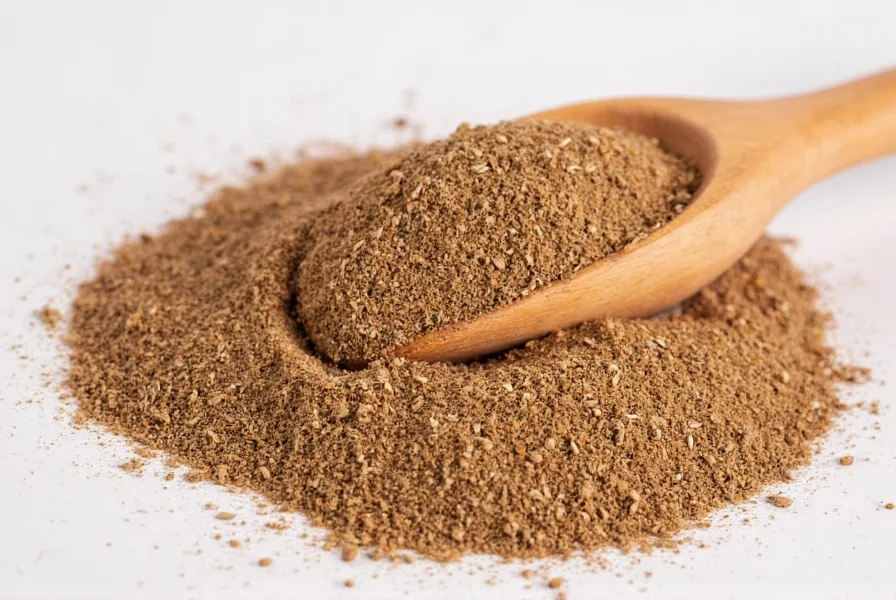
If you're searching for what can i use instead of cumin, the most effective substitutes are chili powder (use 1:1 ratio), coriander (use 1.5x amount), garam masala (for Indian dishes), taco seasoning (for Mexican recipes), smoked paprika (for depth), curry powder (for complex dishes), and caraway seeds (closest flavor match but stronger). The best alternative depends on your specific recipe and desired flavor profile.
Running out of cumin mid-recipe doesn't have to ruin your cooking plans. This versatile spice appears in countless global cuisines, from Mexican to Indian to Middle Eastern dishes. When you need what can i use instead of cumin in a pinch, understanding cumin's unique flavor profile is key to selecting the right substitute.
Cumin delivers an earthy, warm, slightly citrusy flavor with a hint of bitterness. Its distinctive aroma comes from cuminaldehyde, the same compound found in lemon peel. When seeking alternatives to cumin in recipes, you'll want options that provide similar earthiness, warmth, or smokiness depending on your dish.
Understanding Cumin's Flavor Profile
Cumin's complex flavor contains earthy, nutty, and slightly peppery notes with a warm aftertaste. Toasting whole cumin seeds before grinding intensifies its nuttiness while reducing bitterness. Ground cumin loses potency faster than whole seeds, which explains why many recipes specify "freshly ground" cumin.
When determining what to use instead of cumin, consider whether your recipe needs:
- Earthy depth (like in chili or stews)
- Warmth (for spice blends)
- Smokiness (for grilled dishes)
- Distinctive aroma (for authentic ethnic dishes)
Top 7 Practical Cumin Substitutes
| Substitute | Ratio to Cumin | Best For | Flavor Notes |
|---|---|---|---|
| Chili Powder | 1:1 | Mexican dishes, chili, tacos | Milder, with garlic/onion notes |
| Coriander | 1.5:1 | Curries, roasted vegetables | Citrusy, less earthy |
| Garam Masala | 0.75:1 | Indian recipes | Complex, warm spices |
| Taco Seasoning | 1:1 | Tacos, fajitas, nachos | Garlicky, paprika-forward |
| Smoked Paprika | 0.5:1 | Smoky dishes, BBQ | Deep smokiness, less earthy |
1. Chili Powder: Best All-Purpose Substitute
When considering what can i use instead of cumin for Mexican dishes, chili powder makes the most practical swap. Most commercial chili powders contain cumin as a primary ingredient along with garlic powder, oregano, and paprika.
How to use: Replace cumin with an equal amount of chili powder. For dishes where cumin is the star (like chili con carne), add a pinch of extra garlic powder to compensate for chili powder's milder profile. This works particularly well when you need a substitute for cumin in chili recipes.
2. Coriander: Closest Single-Spice Alternative
Coriander shares cumin's earthy notes but lacks the distinctive warmth. It's the seed of the cilantro plant, offering citrusy, floral notes that work well in many cumin-based recipes.
How to use: Use 1.5 times the amount of coriander compared to cumin. For every teaspoon of cumin called for, use 1½ teaspoons of coriander. This ratio adjustment compensates for coriander's milder flavor profile when looking for what to use instead of cumin.
3. Garam Masala: Best for Indian Dishes
Garam masala typically contains cumin along with cardamom, cloves, and cinnamon. This complex blend works exceptionally well as a cumin replacement in Indian recipes where cumin appears alongside other warm spices.
How to use: Substitute ¾ teaspoon garam masala for every teaspoon of cumin. Add toward the end of cooking to preserve its delicate flavors. This approach works well when seeking alternatives to cumin in curry recipes.
4. Taco Seasoning: Ideal for Mexican Cuisine
Most taco seasoning blends contain cumin as a primary ingredient. When you need what can i use instead of cumin specifically for tacos or fajitas, this is your simplest solution.
How to use: Replace cumin with an equal amount of taco seasoning. Reduce additional salt in your recipe since taco seasoning contains salt. This works particularly well as a substitute for cumin in taco recipes.
5. Smoked Paprika: For Depth Without Earthiness
Smoked paprika provides the warmth and color of cumin without the earthy notes. It's an excellent option when you need alternatives to cumin for dishes where earthiness might overpower other flavors.
How to use: Use half the amount of smoked paprika compared to cumin. For every teaspoon of cumin, use ½ teaspoon smoked paprika plus a pinch of coriander. This combination works well as a substitute for cumin in soups.
6. Curry Powder: Complex Flavor Replacement
Curry powder typically contains cumin along with turmeric, coriander, and fenugreek. It's an excellent substitute when you need what to use instead of cumin in Indian or Southeast Asian dishes.
How to use: Replace cumin with ¾ the amount of curry powder. For every teaspoon of cumin, use ¾ teaspoon curry powder. Add toward the end of cooking to preserve delicate flavors. This works particularly well as a substitute for cumin in curry recipes.
7. Caraway Seeds: Closest Flavor Match
Caraway shares cumin's distinctive flavor compounds, making it the closest single-spice substitute. However, caraway has a stronger anise-like note that requires careful measurement.
How to use: Use half the amount of caraway seeds compared to cumin. For every teaspoon of cumin, use ½ teaspoon caraway seeds. Toast the seeds lightly before grinding to mellow their sharpness. This approach works well when seeking alternatives to cumin for authentic Middle Eastern dishes.
Recipe-Specific Cumin Substitution Guide
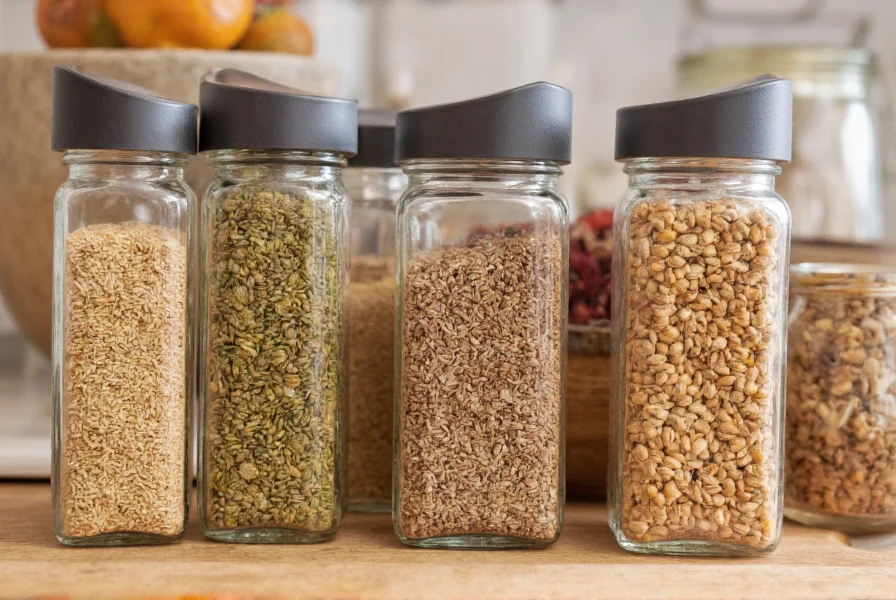
The best substitute for cumin varies by dish. Here's what to use instead of cumin based on your specific recipe:
- Chili: Use equal parts chili powder or ¾ parts taco seasoning
- Tacos: Substitute with taco seasoning at 1:1 ratio
- Curry: Replace with garam masala at 0.75:1 ratio
- Hummus: Use coriander at 1.5:1 ratio plus pinch of smoked paprika
- Chili con carne: Combine equal parts chili powder and coriander
- Rice dishes: Use caraway seeds at 0.5:1 ratio
Creating Your Own Cumin Substitute Blend
For the most versatile alternative to cumin, create this custom blend that works across multiple cuisines:
Homemade Cumin Substitute:
- 1 tablespoon coriander seeds
- 1 teaspoon caraway seeds
- ½ teaspoon smoked paprika
- ¼ teaspoon ground cinnamon
Toast the seeds in a dry skillet for 1-2 minutes until fragrant, then grind with other ingredients. Store in an airtight container. Use 1:1 as a substitute for cumin in most recipes. This blend works particularly well as a replacement for cumin in soups and stews.
When Substitutes Won't Work Well
Some dishes rely so heavily on cumin's unique flavor that substitutes fall short. Authentic recipes like:
- Traditional Mexican mole
- North African tagines
- Indian jeera rice
- Ethiopian berbere spice blend
For these dishes, consider making a quick trip to the store rather than substituting. When cumin is the star ingredient rather than a supporting note, alternatives to cumin often fail to deliver the authentic experience.
Storing Spices for Maximum Freshness
Prevent future cumin emergencies by storing spices properly. Whole cumin seeds retain freshness for 3-4 years when stored in airtight containers away from light and heat. Ground cumin loses potency within 6 months. Label your spices with purchase dates and replace them regularly to ensure optimal flavor in your dishes.
Frequently Asked Questions
What is the closest substitute for cumin in chili recipes?
Chili powder makes the closest substitute for cumin in chili recipes, as most blends contain cumin as a primary ingredient. Use an equal amount of chili powder to replace cumin, and add a pinch of extra garlic powder to compensate for chili powder's milder profile.
Can I use paprika instead of cumin in tacos?
Yes, but smoked paprika works better than regular paprika as a cumin substitute for tacos. Use half the amount of smoked paprika compared to cumin, and add a pinch of coriander to mimic cumin's earthy notes. Taco seasoning makes an even better 1:1 substitute for cumin in taco recipes.
What's the difference between cumin and caraway as substitutes?
Caraway shares cumin's flavor compounds but has stronger anise-like notes. When using caraway as a cumin substitute, use only half the amount (½ teaspoon caraway for 1 teaspoon cumin) and toast the seeds first to mellow their sharpness. Coriander makes a milder alternative with more citrus notes.
How much coriander equals one teaspoon of cumin?
Use 1½ teaspoons of coriander to replace one teaspoon of cumin. Coriander has a milder, more citrusy flavor than cumin's earthy warmth, so you need more to achieve similar flavor impact. This ratio works well as a substitute for cumin in curry recipes.
Can I make my own cumin substitute blend at home?
Yes, combine 1 tablespoon coriander seeds, 1 teaspoon caraway seeds, ½ teaspoon smoked paprika, and ¼ teaspoon ground cinnamon. Toast the seeds, then grind all ingredients together. This homemade blend works as a 1:1 substitute for cumin in most recipes and serves as an excellent alternative to cumin for soups and stews.




 浙公网安备
33010002000092号
浙公网安备
33010002000092号 浙B2-20120091-4