
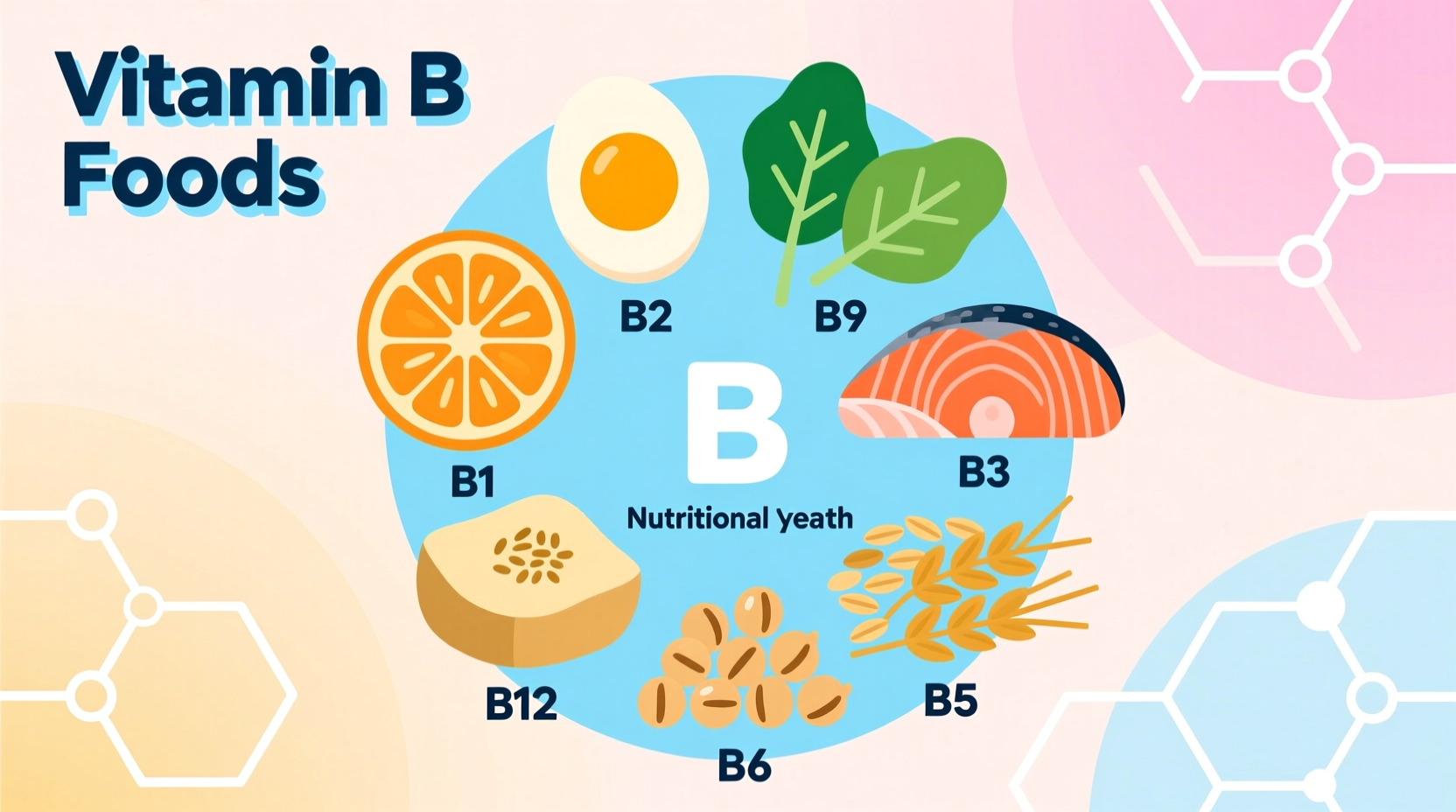
Discover how to optimize your diet with scientifically backed vitamin B sources that support energy levels, cognitive health, and metabolic function. This guide cuts through nutrition myths with evidence-based food recommendations you can implement immediately.
Why Vitamin B Complex Matters for Daily Health
Vitamin B complex plays a non-negotiable role in converting food into cellular energy—a process critical for maintaining focus, mood stability, and physical performance. According to the National Institutes of Health, deficiencies in specific B vitamins can trigger fatigue, neurological issues, and elevated homocysteine levels linked to cardiovascular risks. Unlike fat-soluble vitamins, B vitamins are water-soluble and require daily replenishment through diet.
Your Complete Vitamin B Food Reference Guide
Each B vitamin serves unique physiological functions. This section details food sources ranked by bioavailability and nutrient density, based on USDA FoodData Central measurements.
Vitamin B1 (Thiamine): Energy Metabolism Essential
Thiamine deficiency causes beriberi and Wernicke-Korsakoff syndrome. The National Library of Medicine identifies these top food sources:
- Black beans (1 cup cooked): 42% of daily value (DV)
- Sunflower seeds (1 oz): 33% DV
- Pork tenderloin (3 oz): 28% DV
- Fortified breakfast cereals: 25-100% DV
Vitamin B2 (Riboflavin): Cellular Growth Catalyst
Riboflavin deficiency manifests as cracked lips and light sensitivity. Harvard T.H. Chan School of Public Health research shows:
- Beef liver (3 oz): 120% DV
- Plain Greek yogurt (1 cup): 38% DV
- Almonds (1 oz): 23% DV
- Spinach (1 cup cooked): 15% DV
Vitamin B3 (Niacin): DNA Repair Specialist
The Linus Pauling Institute confirms niacin's role in DNA repair. Highest natural sources:
- Tuna (3 oz): 87% DV
- Chicken breast (3 oz): 72% DV
- Peanuts (1 oz): 21% DV
- Mushrooms (1 cup cooked): 14% DV
Vitamin B5 (Pantothenic Acid): Stress Response Regulator
Found in nearly all whole foods, deficiency is rare but impacts adrenal function. Top concentrated sources:
- Mushrooms (1 cup): 65% DV
- Avocado (1 medium): 30% DV
- Egg yolk (1 large): 20% DV
- Sweet potato (1 medium): 19% DV
Vitamin B6 (Pyridoxine): Neurotransmitter Builder
Crucial for serotonin and GABA production. NIH data shows:
- Chickpeas (1 cup cooked): 71% DV
- Tuna (3 oz): 63% DV
- Beef liver (3 oz): 50% DV
- Banana (1 medium): 25% DV
Vitamin B7 (Biotin): Hair and Nail Strengthener
While gut bacteria produce some biotin, dietary sources remain important. Highest concentrations:
- Egg yolk (1 large): 33% DV
- Beef liver (3 oz): 30% DV
- Almonds (1 oz): 10% DV
- Spinach (1 cup cooked): 7% DV
Vitamin B9 (Folate): Cellular Replication Essential
Critical for DNA synthesis, especially during pregnancy. CDC recommends 400mcg daily for women of childbearing age. Best sources:
| Folate-Rich Food | Amount | Folate Content | % DV |
|---|---|---|---|
| Beef liver | 3 oz | 215 mcg | 54% |
| Black-eyed peas | 1 cup cooked | 105 mcg | 26% |
| Spinach | 1 cup cooked | 100 mcg | 25% |
| Fortified breakfast cereal | 1 serving | 100-400 mcg | 25-100% |
Vitamin B12 (Cobalamin): Nervous System Guardian
Exclusively found in animal products, B12 deficiency causes irreversible nerve damage. NIH data shows:
- Clams (3 oz): 1,402% DV
- Beef liver (3 oz): 708% DV
- Trout (3 oz): 312% DV
- Fortified nutritional yeast (1 tbsp): 131% DV (vegan option)
Vegetarians and vegans should prioritize fortified foods or supplements, as plant-based sources like spirulina contain inactive analogs that interfere with B12 absorption according to American Journal of Clinical Nutrition research.
Building Your Vitamin B-Rich Meal Plan
Maximize B vitamin absorption through strategic food combinations and preparation methods:
Optimal Food Pairing Strategies
- Vitamin C + Plant-Based Iron: Pair spinach (folate) with citrus to enhance non-heme iron absorption
- Avoid Alcohol with B6: Ethanol consumption depletes pyridoxine stores significantly
- Cooking Methods: Steam vegetables instead of boiling to preserve water-soluble B vitamins
Sample Daily Menu for Complete B Vitamin Coverage
- Breakfast: Scrambled eggs with spinach and whole-grain toast (B2, B6, B9, B12)
- Lunch: Lentil soup with sun-dried tomatoes and pumpkin seeds (B1, B3, B5, B9)
- Dinner: Baked salmon with roasted sweet potatoes and asparagus (B3, B5, B6, B7, B9)
- Snack: Greek yogurt with almonds and banana (B2, B3, B5, B6)
Special Considerations for Vitamin B Intake
Certain populations require tailored approaches to vitamin B consumption:
Vulnerable Groups Needing Enhanced Monitoring
- Older Adults: Reduced stomach acid impairs B12 absorption—NIH recommends supplementation after age 50
- Pregnant Women: Folate requirements increase by 50% to prevent neural tube defects
- Medication Users: Metformin and proton pump inhibitors deplete B12 stores
- Vegans: B12 supplementation is non-negotiable due to absence in plant foods
Deficiency Warning Signs Requiring Medical Attention
- Persistent fatigue despite adequate sleep
- Numbness or tingling in extremities (B12 deficiency)
- Glossitis (inflamed tongue) and mouth ulcers
- Mood changes including depression or irritability
When symptoms persist despite dietary improvements, consult a healthcare provider for blood testing. The Mayo Clinic emphasizes that self-diagnosis can delay treatment of serious underlying conditions.




 浙公网安备
33010002000092号
浙公网安备
33010002000092号 浙B2-20120091-4