
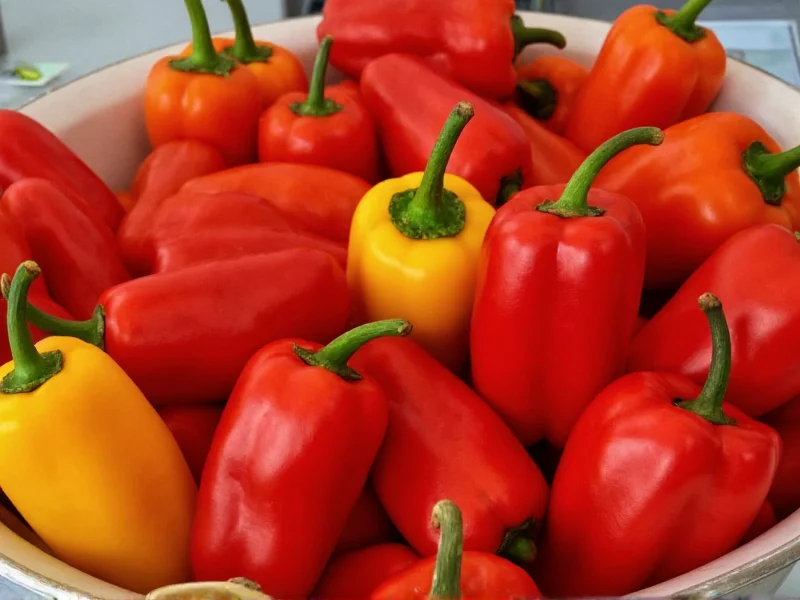
The absolute mildest peppers are bell peppers (0 Scoville Heat Units), followed closely by sweet banana peppers, Cubanelle peppers, and pimento peppers, all registering 0-100 SHU on the Scoville scale. These varieties contain no capsaicin, the compound responsible for heat in peppers, making them ideal for those with sensitive palates or dietary restrictions requiring zero-spice options.
When exploring the world of peppers, understanding heat levels is essential for both culinary success and personal comfort. The mildest peppers offer vibrant flavors without the burn, making them versatile ingredients for everyday cooking. This comprehensive guide examines the complete spectrum of mild peppers, their characteristics, and practical applications in the kitchen.
Understanding Pepper Heat Measurement
Pepper heat is scientifically measured using the Scoville scale, which quantifies the concentration of capsaicinoids—the compounds responsible for spiciness. Developed by pharmacist Wilbur Scoville in 1912, this scale ranges from zero (no heat) to over 2 million units for the hottest peppers. Modern testing uses high-performance liquid chromatography for precise measurements, but the Scoville Heat Unit (SHU) remains the standard reference.
For context, anything below 500 SHU is generally considered mild, while peppers exceeding 10,000 SHU enter the medium to hot range. The mildest peppers sit comfortably at the bottom of this scale, providing pure pepper flavor without any noticeable heat.
Historical Development of Mild Peppers
The evolution of today's mild peppers reflects centuries of agricultural refinement. According to USDA agricultural records and university research, key milestones include:
- ~6000 BCE: Initial domestication of peppers in Mexico, though early varieties were predominantly pungent (University of Florida Gardening Solutions).
- 1912: Wilbur Scoville establishes the standardized heat measurement system still used today (American Chemical Society Molecule of the Week).
- 1926: Development of the first bell-shaped sweet pepper in New York, marking the beginning of modern mild pepper cultivation (University of Vermont Extension Pepper History).
- 2002: Genetic identification of the pun1 gene responsible for capsaicin production, enabling precise zero-heat breeding (Proceedings of the National Academy of Sciences Capsaicinoid Biosynthesis Research).
The Complete List of Mildest Peppers
Based on extensive agricultural research and Scoville testing, these peppers consistently rank as the mildest varieties available:
| Pepper Variety | Scoville Heat Units | Flavor Profile | Common Uses |
|---|---|---|---|
| Bell Peppers (all colors) | 0 SHU | Sweet, grassy, vegetal | Salads, stir-fries, stuffed peppers |
| Cubanelle Peppers | 0-100 SHU | Mildly sweet, slightly tangy | Fried peppers, sandwiches, roasting |
| Sweet Banana Peppers | 0-500 SHU | Fruity, tangy when pickled | Pickling, sandwiches, salads |
| Pimento Peppers | 100-500 SHU | Very sweet, succulent | Cheese stuffing, relishes, roasted dishes |
| Peperoncini | 100-500 SHU | Mildly tangy, slightly bitter | Pickled applications, Greek salads |
Characteristics of Mild Peppers
Bell peppers represent the absolute baseline for mildness in the pepper family. Available in multiple colors (green, red, yellow, orange, purple), they all share the same zero Scoville rating despite flavor variations. Green bells are harvested earliest and have a slightly more vegetal taste, while colored varieties ripen longer, developing sweeter, fruitier notes.
Cubanelle peppers, sometimes called frying peppers or Italian sweet peppers, feature thin walls and a tapered shape. Their delicate flavor makes them perfect for dishes where you want pepper essence without heat interference. Sweet banana peppers earned their name from both appearance and flavor profile—they're long, curved, and distinctly sweet when mature.
Culinary Applications for Mild Peppers
Understanding what are the mildest peppers for cooking opens numerous culinary possibilities. Chefs and home cooks alike value these varieties for their ability to add texture, color, and flavor without overwhelming spice. When searching for peppers with lowest scoville rating for sensitive stomachs, bell peppers consistently prove the safest choice.
For those exploring mild pepper varieties for beginners, consider these applications:
- Add raw bell peppers to salads for crunch and color without heat
- Stuff Cubanelle peppers with rice and herbs for a traditional Italian dish
- Roast sweet banana peppers and add to sandwiches for subtle flavor
- Use pimento peppers in cheese spreads or as garnish for martinis
- Include peperoncini in Greek salads for mild tanginess
When substituting mild peppers in recipes calling for hotter varieties, remember they won't provide the same depth that capsaicin contributes. Compensate by adding complementary flavors like smoked paprika, garlic, or citrus to maintain complexity.
Growing Mild Peppers at Home
For gardeners interested in cultivating peppers with no heat, bell peppers are among the easiest varieties to grow. They require 6-8 hours of direct sunlight, well-draining soil, and consistent watering. Most mild pepper varieties need 60-90 days to reach maturity from transplanting.
When selecting seeds or seedlings, look for varieties specifically labeled as sweet or mild. Some popular bell pepper cultivars include 'California Wonder', 'Sweet Chocolate', and 'Gypsy'. For those seeking which peppers have no heat but interesting shapes, consider 'Lunchbox' mini bells or 'Sweet Banana' varieties.
Mild Peppers vs. Hot Peppers: Key Differences
The primary difference between mild and hot peppers lies in their capsaicin content. While all peppers belong to the Capsicum genus, mild varieties have been selectively bred to eliminate capsaicin production. This affects not only heat but also flavor complexity and nutritional profile.
Mild peppers generally contain higher vitamin C content than their hotter counterparts. A single red bell pepper provides over 150% of the daily recommended vitamin C intake. They also tend to have higher sugar content, contributing to their sweet flavor profile.
Health Benefits of Mild Peppers
Peppers with lowest scoville rating offer significant health advantages without the gastrointestinal irritation that spicy peppers can cause. Bell peppers, for example, are rich in antioxidants including carotenoids and vitamin C. Research shows regular consumption may support eye health, reduce inflammation, and boost immune function.
For individuals with digestive sensitivities or conditions like IBS, understanding what are the mildest peppers becomes crucial for maintaining a varied diet without discomfort. These peppers provide the nutritional benefits of nightshades without triggering common digestive issues associated with capsaicin.
Contextual Limitations of Mild Peppers
Mild peppers excel in many applications, but understanding their constraints ensures culinary success and safety:
- Preservation Requirements: When pickling, mild peppers require precise vinegar ratios to compensate for the absence of natural preservatives found in capsaicin. The National Center for Home Food Preservation specifies that sweet peppers must be processed with added acid to prevent botulism risk (Pickling Guidelines).
- Culinary Substitution Boundaries: Mild peppers cannot replicate the flavor complexity of hot peppers in dishes where capsaicin is integral. As noted by food scientists at the University of Minnesota, substituting sweet for hot peppers alters both taste and chemical preservation properties (Food Safety for Peppers).
Common Misconceptions About Mild Peppers
Many people mistakenly believe that all green peppers are milder than colored varieties, but this isn't true—color relates to ripeness, not heat level. All bell peppers, regardless of color, have zero Scoville units. Another misconception is that smaller peppers are always hotter, but size doesn't determine heat; it's the specific variety and growing conditions that matter.
When searching for least spicy peppers list, remember that even within mild varieties, growing conditions can cause slight variations. However, these differences remain well within the non-spicy range and won't produce noticeable heat.
Storing and Preserving Mild Peppers
Proper storage extends the shelf life of mild peppers significantly. Keep unwashed peppers in the crisper drawer of your refrigerator for 1-2 weeks. For longer preservation, consider roasting and freezing, pickling, or dehydrating.
When exploring mild peppers for sensitive stomach, properly stored peppers maintain their delicate flavor without developing off-notes. Avoid storing near ethylene-producing fruits like bananas, which can accelerate ripening and spoilage.




 浙公网安备
33010002000092号
浙公网安备
33010002000092号 浙B2-20120091-4