
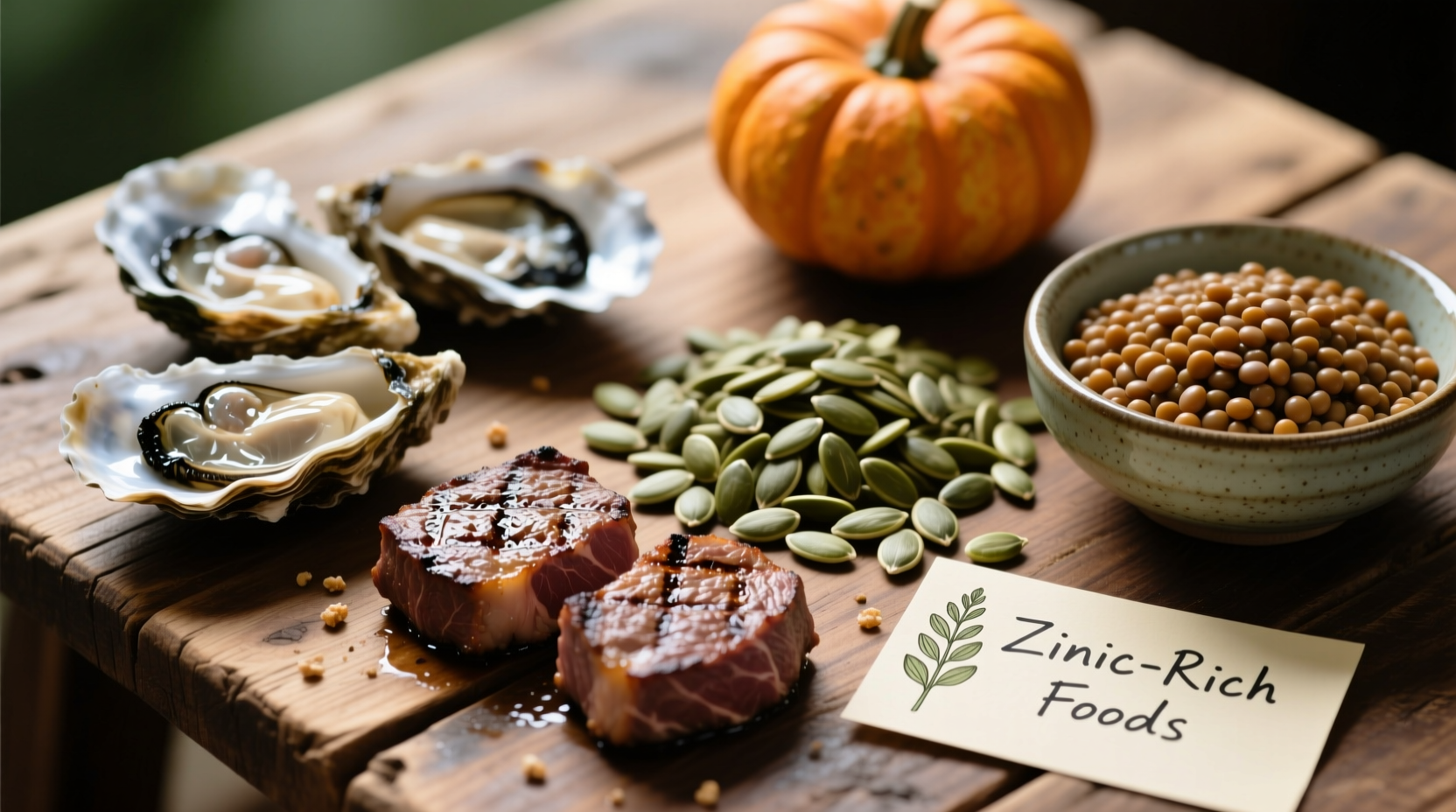
Top zinc-rich foods include oysters (providing over 500% of daily needs per serving), beef, crab, pumpkin seeds, lentils, and chickpeas. This guide details the best dietary sources of zinc with precise nutrient values, bioavailability considerations, and practical meal integration strategies backed by nutritional science.
Discovering which foods naturally deliver optimal zinc intake is crucial for maintaining immune function, wound healing, and DNA synthesis. While many focus on supplements, dietary zinc from whole foods offers superior absorption and additional nutritional benefits. This comprehensive guide examines scientifically verified food sources ranked by zinc concentration, bioavailability factors, and practical incorporation strategies for different dietary patterns.
Why Zinc Matters: Beyond Basic Nutrition
Zinc serves as a cofactor for over 300 enzymes involved in critical bodily functions. According to the National Institutes of Health, adequate zinc intake supports:
- Immune cell development and communication
- Protein and DNA synthesis
- Wound healing processes
- Normal growth and development during pregnancy and childhood
- Sensory perception of taste and smell
The recommended daily allowance (RDA) for adults ranges from 8-11 mg depending on gender and life stage, with higher requirements during pregnancy and lactation. Many Americans fall short of these targets, particularly vegetarians and older adults whose zinc absorption decreases with age.
Top Animal-Based Zinc Powerhouses
Animal proteins generally provide zinc with higher bioavailability (18-40% absorption) compared to plant sources due to the absence of phytates that inhibit zinc absorption. Here are the most concentrated animal sources:
| Food Source | Zinc per Serving | % Daily Value | Serving Size |
|---|---|---|---|
| Oysters, cooked | 74.1 mg | 674% | 6 medium (85g) |
| Beef chuck roast | 7.0 mg | 64% | 3 oz (85g) |
| Alaskan king crab | 6.5 mg | 59% | 3 oz (85g) |
| Beef patty, 90% lean | 5.3 mg | 48% | 3 oz (85g) |
| Lobster | 3.4 mg | 31% | 3 oz (85g) |
Oysters stand out as the zinc champion, delivering more than five times the daily requirement in a single serving. Research published in the Journal of Nutrition and Metabolism confirms that shellfish provide highly bioavailable zinc due to their amino acid composition that enhances mineral absorption.
Plant-Based Zinc Sources: Maximizing Absorption
For vegetarians and vegans, plant-based zinc sources require strategic preparation to overcome phytate inhibition. The USDA FoodData Central identifies these top plant options:
- Pumpkin seeds: 2.2 mg per ounce (20% DV)
- Lentils, cooked: 1.3 mg per ½ cup (12% DV)
- Chickpeas, cooked: 1.3 mg per ½ cup (12% DV)
- Quinoa, cooked: 1.0 mg per ½ cup (9% DV)
- Mushrooms, shiitake: 0.9 mg per ½ cup (8% DV)
Food preparation techniques significantly impact zinc bioavailability from plant sources. A 2018 study in Food Chemistry demonstrated that soaking, sprouting, and fermenting plant foods can reduce phytate content by 30-60%, substantially improving zinc absorption. For example, sourdough fermentation of whole grains increases zinc bioavailability compared to regular yeast breads.
Strategic Zinc Optimization: Practical Implementation
Simply knowing zinc-rich foods isn't enough—you need implementation strategies that work with your lifestyle. Consider these evidence-based approaches:
Meal Pairing for Enhanced Absorption
Combine zinc sources with foods containing citric acid (like lemon juice or tomatoes) which can increase zinc absorption by up to 60% according to research from the American Journal of Clinical Nutrition. Try these combinations:
- Beef stir-fry with bell peppers and citrus marinade
- Lentil soup with tomatoes and lemon garnish
- Pumpkin seed pesto on whole grain pasta
Daily Zinc Integration Plan
Create balanced zinc intake throughout your day:
- Breakfast: Greek yogurt (1.4 mg per 8oz) with pumpkin seeds and berries
- Lunch: Chickpea salad with lemon-tahini dressing
- Dinner: Grass-fed beef with roasted mushrooms and asparagus
Important Context: When Food Isn't Enough
While food sources should be primary, certain conditions warrant professional guidance. The NCBI Bookshelf notes that individuals with gastrointestinal disorders, vegetarians with limited dietary variety, and older adults may require supplementation under medical supervision. Always consult a healthcare provider before starting zinc supplements, as excessive intake (above 40 mg daily) can cause copper deficiency and immune dysfunction.
Common Questions About Zinc-Rich Foods
Understanding zinc sources often raises practical questions about implementation and effectiveness. Here are answers to frequently asked questions based on current nutritional science.




 浙公网安备
33010002000092号
浙公网安备
33010002000092号 浙B2-20120091-4