
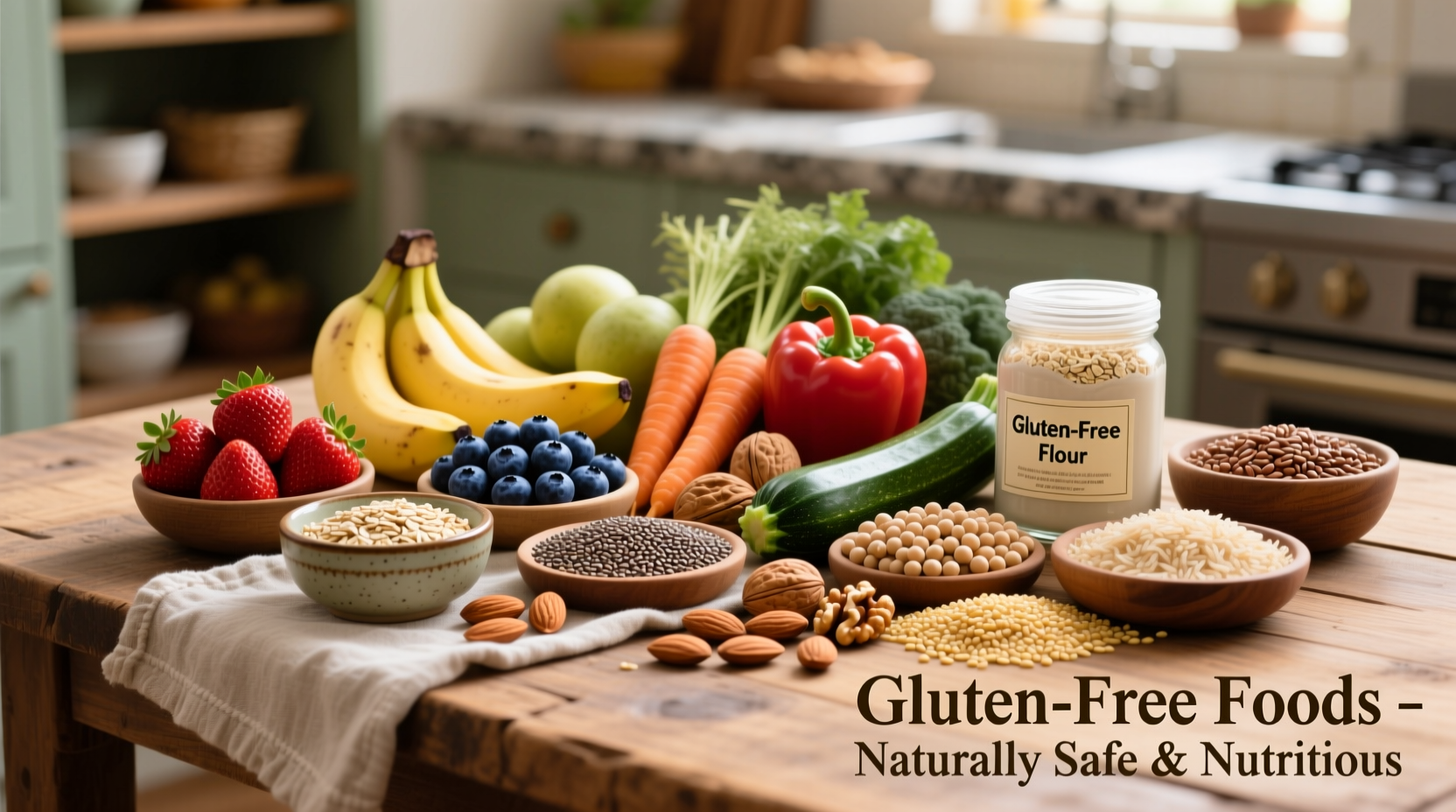
Discover over 50 naturally gluten-free foods across all major food groups that are safe for celiac disease and gluten sensitivity. This guide provides scientifically verified options with practical shopping tips, label-reading strategies, and nutritional insights from registered dietitians.
Wondering what are some gluten free foods you can actually eat? Whether you've recently been diagnosed with celiac disease, have non-celiac gluten sensitivity, or are simply exploring dietary options, knowing which foods are naturally gluten-free is essential. This comprehensive guide delivers verified information about safe food choices that nutrition professionals recommend.
Understanding Naturally Gluten-Free Food Categories
Gluten is a protein found in wheat, barley, and rye. The good news? Many whole foods are naturally gluten-free and form the foundation of a healthy diet. According to the U.S. Food and Drug Administration, foods labeled "gluten-free" must contain less than 20 parts per million (ppm) of gluten—the threshold scientifically determined to be safe for most people with celiac disease.
Fruits and Vegetables: Nature's Perfect Gluten-Free Options
All fresh fruits and vegetables are naturally gluten-free. This includes:
- Leafy greens (spinach, kale, arugula)
- Cruciferous vegetables (broccoli, cauliflower, Brussels sprouts)
- Root vegetables (sweet potatoes, carrots, beets)
- Seasonal fruits (apples, berries, citrus)
Be cautious with pre-cut or pre-packaged produce that may have been processed in facilities with gluten-containing products. The Centers for Disease Control and Prevention confirms that fresh produce remains one of the safest food categories for those avoiding gluten.
Proteins That Are Naturally Gluten-Free
Unprocessed animal proteins and plant-based alternatives provide excellent gluten-free options:
- Plain meats (chicken, turkey, beef, pork)
- Fish and seafood (salmon, shrimp, tuna)
- Eggs in their natural state
- Legumes (lentils, chickpeas, black beans)
- Nuts and seeds (almonds, chia seeds, sunflower seeds)
Watch for processed proteins like breaded chicken, flavored tofu, or seasoned meats that often contain gluten. The Academy of Nutrition and Dietetics emphasizes reading ingredient labels on all packaged protein products.
Gluten-Free Grains and Starches: Your Complete Reference
Many people mistakenly believe all grains contain gluten. Several nutritious alternatives provide essential carbohydrates without gluten:
| Gluten-Free Grain | Protein Content (per 100g) | Key Nutrients | Common Uses |
|---|---|---|---|
| Rice (white/brown) | 7g | Manganese, selenium | Side dishes, sushi, rice bowls |
| Quinoa | 14g | Complete protein, iron | Salads, breakfast bowls, stuffing |
| Corn | 9g | Vitamin B, magnesium | Tortillas, polenta, cornbread |
| Buckwheat | 13g | Rutin, magnesium | Soba noodles, pancakes, porridge |
| Amaranth | 14g | Calcium, iron | Porridge, baked goods, thickener |
This comparison of gluten-free grains comes from the USDA FoodData Central database, providing verified nutritional information for meal planning. Note that while oats are naturally gluten-free, they're often contaminated during processing—look for certified gluten-free oats if you need to avoid gluten completely.
Processed Foods: Navigating the Gluten-Free Landscape
When exploring what are some gluten free foods in the processed category, understanding labeling is crucial. The FDA's gluten-free labeling rule, implemented in 2014, requires products labeled "gluten-free" to meet strict standards. Before this regulation, consumers faced significant confusion about which processed foods were truly safe.
Safe processed options include:
- Certified gluten-free breads and pastas
- Plain dairy products (milk, plain yogurt, natural cheeses)
- 100% fruit juices without additives
- Gluten-free soy sauce (tamari)
- Certified gluten-free oats
Avoid these common processed foods that typically contain gluten:
- Regular soy sauce
- Most salad dressings
- Processed lunch meats
- Flavored coffees and teas
- Many seasonings and spice blends
Building Your Gluten-Free Pantry: Practical Strategies
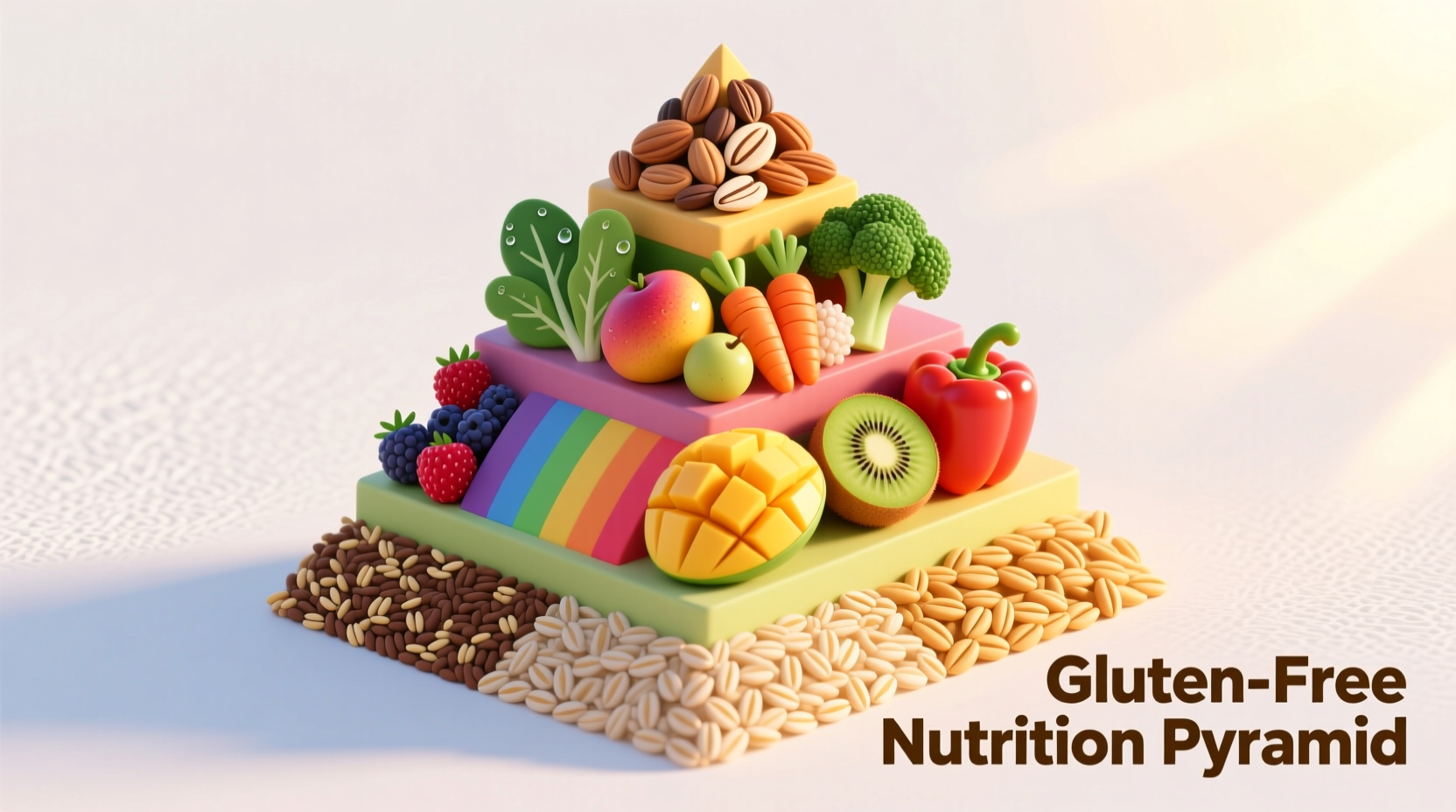
Creating a well-stocked gluten-free kitchen doesn't have to be overwhelming. Focus on these essential staples:
Essential Gluten-Free Pantry Items
- Flours: Rice flour, almond flour, tapioca starch, potato starch
- Grains: Quinoa, rice, certified gluten-free oats, cornmeal
- Condiments: Tamari, pure maple syrup, apple cider vinegar
- Snacks: Popcorn kernels, rice cakes, nut butters
When shopping, always check for the certified gluten-free label, especially for products that might be cross-contaminated during processing. The Celiac Disease Foundation reports that approximately 30% of products claiming to be gluten-free without certification actually contain detectable levels of gluten.
Avoiding Cross-Contamination at Home
Even when using gluten-free ingredients, cross-contamination can occur. Implement these practical measures:
- Use separate toasters for gluten-free bread
- Designate specific cutting boards for gluten-free preparation
- Clean surfaces thoroughly before gluten-free cooking
- Store gluten-free items separately in pantries
- Use squeeze bottles for condiments to prevent gluten contamination
Common Gluten-Free Food Misconceptions
Several myths persist about gluten-free eating that can lead to unnecessary restrictions or accidental gluten exposure:
- Myth: All gluten-free foods are healthy
Fact: Many gluten-free processed foods contain added sugars and fats to compensate for texture - Myth: Gluten-free means carb-free
Fact: Rice, quinoa, and corn all contain carbohydrates but no gluten - Myth: "Wheat-free" means gluten-free
Fact: Wheat-free products may still contain barley or rye
Research from the Celiac Disease Foundation shows that misunderstanding these distinctions leads to accidental gluten exposure in 40% of newly diagnosed celiac patients within their first year of dietary management.
Creating Balanced Gluten-Free Meals
A healthy gluten-free diet focuses on whole foods rather than relying solely on processed alternatives. Try this simple formula for balanced meals:
- 50% non-starchy vegetables
- 25% lean protein
- 25% gluten-free whole grains or starchy vegetables
- Healthy fats in moderation
This approach ensures you're getting adequate fiber, vitamins, and minerals that can sometimes be lacking in gluten-free diets. The National Institutes of Health notes that carefully planned gluten-free diets can be nutritionally adequate and support optimal health.
When Gluten-Free Foods Aren't Actually Safe
Context matters when determining if a food is truly gluten-free. Consider these boundary conditions:
- Modified food starch: In the U.S., this is typically corn-based and safe, but in other countries may be wheat-based
- Malt: Always derived from barley and contains gluten
- Soy sauce: Traditional versions contain wheat; look for tamari instead
- Oats: Naturally gluten-free but often contaminated; choose certified gluten-free varieties
These context-specific considerations demonstrate why simply looking for "gluten-free" on a label isn't always sufficient. The Academy of Nutrition and Dietetics recommends that individuals with celiac disease consult a registered dietitian specializing in gluten-related disorders for personalized guidance.
Frequently Asked Questions
Are potatoes gluten-free?
Yes, plain potatoes in their natural state are naturally gluten-free. This includes all varieties like russet, sweet, and Yukon gold potatoes. However, be cautious with prepared potato products like french fries (which may be cooked in shared fryers with gluten-containing foods) or flavored potato mixes that often contain wheat-based ingredients.
Is rice gluten-free?
Yes, all natural rice varieties (white, brown, wild, jasmine, basmati) are gluten-free. Rice is one of the primary gluten-free grains recommended for those avoiding gluten. However, be careful with flavored rice mixes, rice pilafs, and rice dishes from restaurants, as these often contain gluten-containing ingredients like soy sauce or wheat-based seasonings.
Can I eat oats if I'm gluten-free?
Pure oats are naturally gluten-free, but they're frequently contaminated with wheat, barley, or rye during growing and processing. If you have celiac disease or severe gluten sensitivity, choose oats specifically labeled "certified gluten-free," which have been processed in dedicated facilities to prevent cross-contamination. About 1% of people with celiac disease also react to pure oats due to avenin, a protein similar to gluten.
Are corn tortillas gluten-free?
Yes, traditional corn tortillas made from 100% corn masa are naturally gluten-free. However, some commercially produced tortillas may contain wheat flour or be processed in facilities with gluten-containing products. Always check the ingredient list for "100% corn" and look for a gluten-free certification if you have celiac disease. Restaurant tortillas may also be contaminated through shared preparation surfaces.
What unexpected foods might contain gluten?
Several unexpected foods often contain hidden gluten, including soy sauce, salad dressings, marinades, flavored coffees, processed lunch meats, imitation seafood, seasoning blends, and even some medications and supplements. Beer (unless specifically labeled gluten-free), malt vinegar, and broth-based soups are other common culprits. Always read ingredient labels carefully, as manufacturers can change formulations without notice.




 浙公网安备
33010002000092号
浙公网安备
33010002000092号 浙B2-20120091-4