
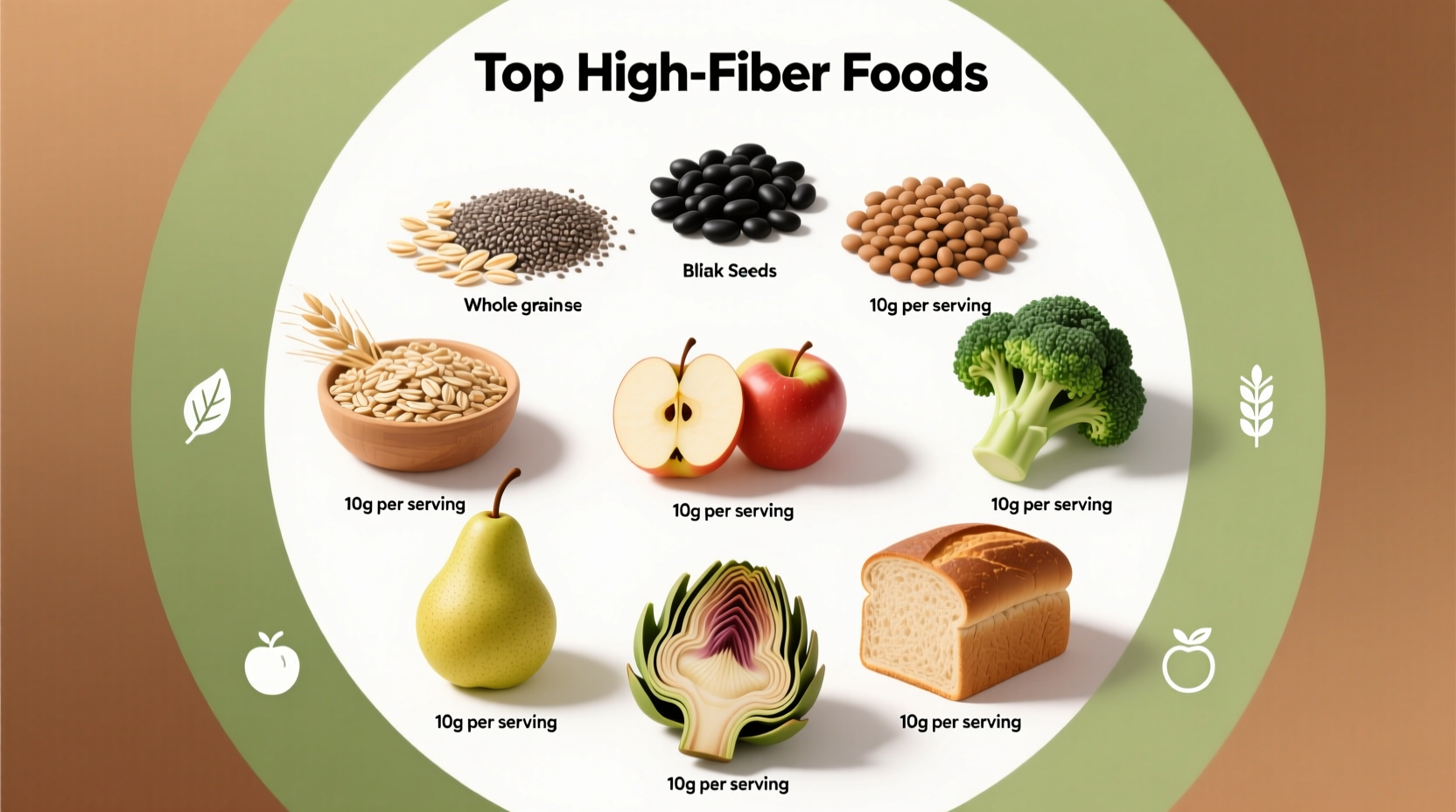
Discover how to transform your diet with nature's digestive superheroes. This guide reveals exactly which high fiber foods deliver maximum health benefits while fitting seamlessly into your daily routine. No confusing jargon—just science-backed choices you can implement today.
Why Fiber Matters: Beyond Basic Digestion
Fiber isn't just about preventing constipation. Research from the National Heart, Lung, and Blood Institute shows adequate fiber intake reduces heart disease risk by 30% and type 2 diabetes incidence by 27%. The magic happens through two mechanisms:
- Soluble fiber (found in oats, beans, apples) forms a gel that slows digestion, stabilizing blood sugar and lowering LDL cholesterol
- Insoluble fiber (in whole wheat, vegetables) acts like a broom, accelerating waste movement through your digestive tract
Most adults consume only 15g daily—less than half the Dietary Guidelines for Americans recommendation of 25-38g depending on age and gender. This gap contributes to America's $200 billion annual digestive health problems.
Your Complete High Fiber Foods Reference
Forget generic lists—here's exactly how much fiber you get from common foods, verified through USDA FoodData Central measurements. We've organized options by practical meal contexts:
| Food Category | Top 3 High Fiber Choices | Fiber Per Standard Serving | Practical Serving Tip |
|---|---|---|---|
| Legumes | Lentils (cooked) | 15.6g per cup | Add to soups instead of meat for 50% protein boost |
| Black beans (cooked) | 15g per cup | Rinse canned beans to reduce sodium by 40% | |
| Chickpeas (cooked) | 12.5g per cup | Blend with tahini for fiber-rich hummus | |
| Whole Grains | Barley (pearl, cooked) | 6g per cup | Cook in broth for flavorful side dish |
| Oats (dry) | 4g per ½ cup | Soak overnight for no-cook breakfast | |
| Quinoa (cooked) | 5g per cup | Rinse thoroughly to remove bitter saponins |
Smart Implementation: Making Fiber Work for You
Adding fiber too quickly causes bloating and gas. Registered dietitians recommend this proven 4-week progression:
- Week 1: Replace one refined grain serving with whole grain (white rice → brown rice)
- Week 2: Add one high-fiber fruit with skin (apple, pear) to your daily routine
- Week 3: Incorporate legumes into one meal weekly (lentil soup, black bean salad)
- Week 4: Swap processed snacks for nuts/seeds (¼ cup almonds = 4g fiber)
Hydration is non-negotiable—each additional 5g of fiber requires 8 extra ounces of water daily. Track your intake using the MyPlate tracker until you reach your target.
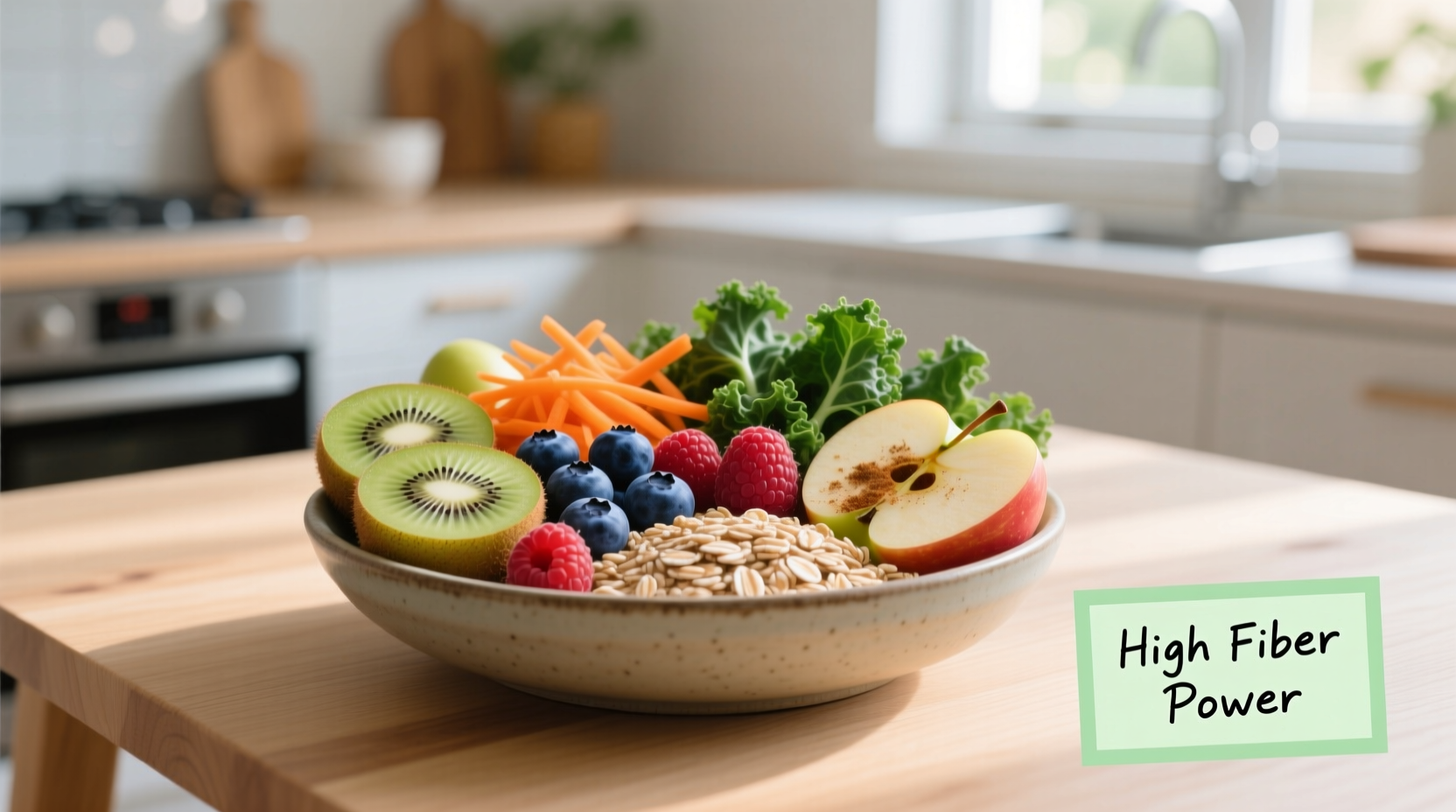
Special Considerations: When Fiber Needs Caution
While fiber benefits most people, certain conditions require medical supervision:
- Inflammatory bowel disease (IBD) flares may require temporary low-fiber diets per Crohn's & Colitis Foundation guidelines
- Recent abdominal surgery patients need modified fiber intake during healing
- Kidney disease patients must balance fiber with potassium restrictions
Always consult your physician before making significant dietary changes if you have chronic health conditions. Fiber supplements shouldn't replace whole foods—they lack the phytonutrients and protein found in natural sources.
Maximizing Fiber Benefits: Pro Tips
These evidence-based strategies boost fiber effectiveness:
- Timing matters: Consume soluble fiber (oats, apples) with carbohydrate-rich meals to blunt blood sugar spikes
- Temperature trick: Cooling cooked potatoes or rice increases resistant starch content by 50-60%
- Combination power: Pair vitamin C-rich foods (bell peppers, citrus) with plant-based iron sources to enhance absorption
Remember that processing destroys fiber—choose whole fruits over juice, intact grains over flour-based products. The Academy of Nutrition and Dietetics confirms minimally processed plant foods deliver superior benefits compared to fortified products.
How quickly will I notice benefits after increasing fiber intake?
Most people experience improved digestion within 2-3 days when adding 5g daily. Full cardiovascular benefits take 8-12 weeks of consistent intake at recommended levels according to Mayo Clinic research.
Can you consume too much fiber?
Yes—exceeding 70g daily may cause intestinal blockage, nutrient malabsorption, and severe bloating. The Institute of Medicine sets 50g as the upper limit for adults. Gradual increases with adequate hydration prevent complications.
Which high fiber foods are best for weight loss?
Legumes and non-starchy vegetables provide the highest fiber-to-calorie ratio. A cup of lentils (230 calories, 15g fiber) creates more satiety than 230 calories of low-fiber foods according to American Journal of Clinical Nutrition studies.
Do fiber supplements work as well as whole foods?
No—they lack the complete nutrient package of whole foods. Research in the Journal of Nutrition shows isolated fiber supplements don't provide the same cardiovascular benefits as fiber from diverse plant sources. Use supplements only when medically necessary.




 浙公网安备
33010002000092号
浙公网安备
33010002000092号 浙B2-20120091-4