
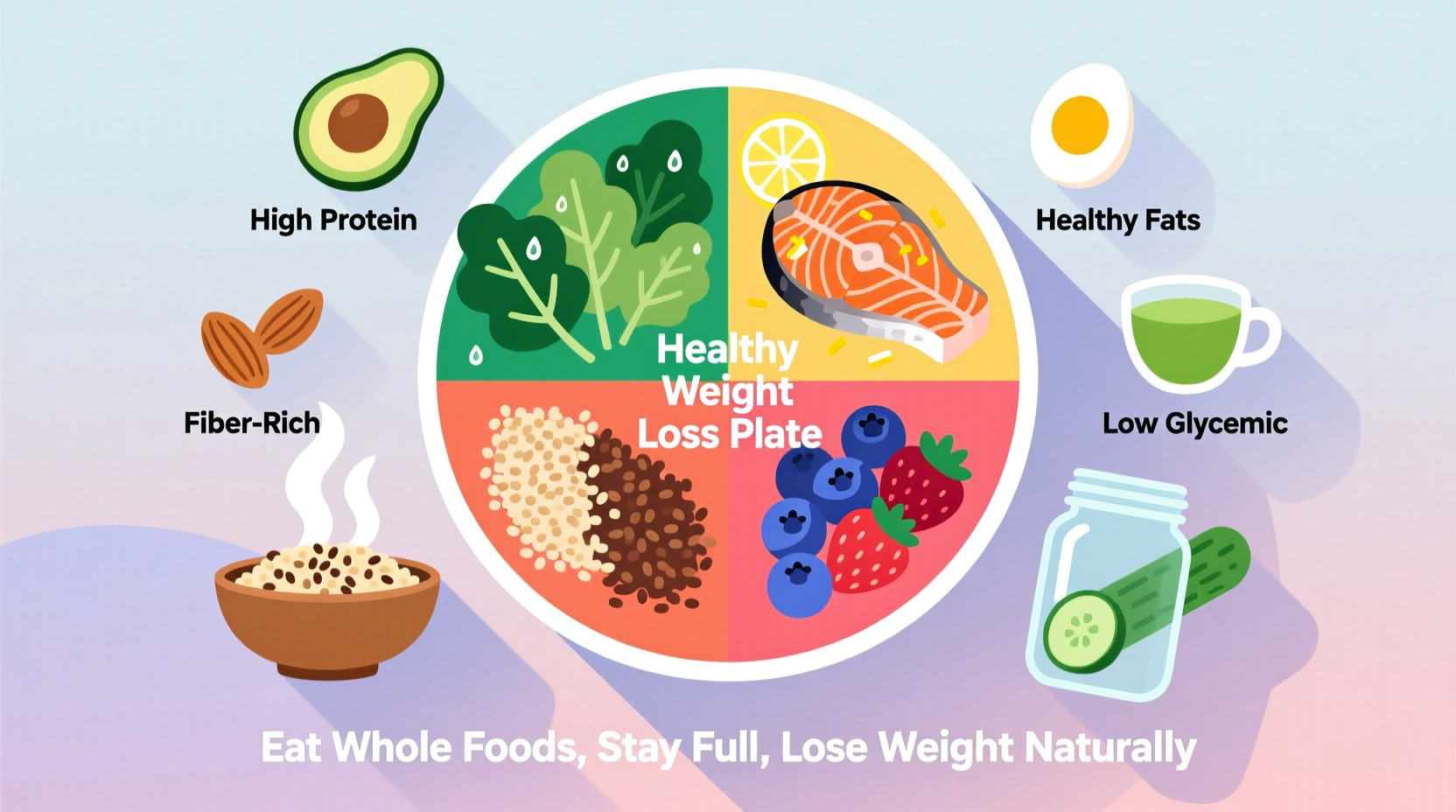
The most effective healthy foods for sustainable weight loss include high-protein options like Greek yogurt and eggs, high-fiber vegetables such as broccoli and leafy greens, and nutrient-dense whole foods including quinoa, berries, and nuts in moderation. These foods promote satiety, stabilize blood sugar, and provide essential nutrients while creating a natural calorie deficit—without restrictive dieting.
Discover how to build a satisfying weight loss diet that actually works long-term. This evidence-based guide reveals the science behind why certain foods support sustainable weight management, identifies common nutritional pitfalls, and provides practical strategies you can implement immediately.
Why Food Quality Matters More Than Simple Calorie Counting
Modern nutrition science shows that not all calories affect your body equally. Research from the National Institute of Diabetes and Digestive and Kidney Diseases confirms that food quality significantly impacts hunger hormones, metabolic rate, and fat storage mechanisms. Foods high in protein and fiber increase feelings of fullness by 25-30% compared to processed alternatives, making weight loss achievable without constant hunger.
"Focusing solely on calorie reduction often backfires," explains Antonio Rodriguez, culinary science expert. "The right foods naturally regulate your appetite while providing essential nutrients. This creates sustainable weight loss without the deprivation that leads to rebound gain."
Evidence-Based Foods That Support Healthy Weight Management
High-Protein Powerhouses
Protein requires more energy to digest than carbs or fats, boosting metabolism by 15-30%. It also preserves muscle mass during weight loss, which maintains your metabolic rate. Incorporate these science-backed options:
- Eggs: One study in the International Journal of Obesity found people eating eggs for breakfast consumed 400 fewer calories daily
- Greek yogurt: Contains double the protein of regular yogurt with probiotics that support gut health
- Lean poultry and fish: Provide complete protein with healthy fats that reduce inflammation
Fiber-Rich Vegetables and Whole Grains
Fiber slows digestion, preventing blood sugar spikes that trigger fat storage. The Harvard T.H. Chan School of Public Health recommends at least 25-38 grams of fiber daily for optimal weight management.
| Food | Fiber (per serving) | Calorie Density | Weight Loss Benefit |
|---|---|---|---|
| Broccoli (1 cup) | 5.1g | 34 cal | Volume eating without excess calories |
| Chia seeds (2 tbsp) | 10g | 138 cal | Forms gel that slows digestion |
| Quinoa (1 cup cooked) | 5g | 222 cal | Complete protein + complex carbs |
| Black beans (1/2 cup) | 7.5g | 114 cal | Stabilizes blood sugar for hours |
Smart Fats for Satiety
Contrary to outdated diet advice, certain fats actually support weight loss by increasing fullness hormones. The key is choosing the right types in appropriate portions:
- Avocados: Monounsaturated fats reduce belly fat storage according to Nutrition Journal research
- Nuts and seeds: A Mayo Clinic study found moderate nut consumption associated with lower BMI
- Olive oil: Extra virgin variety contains compounds that reduce inflammation linked to obesity
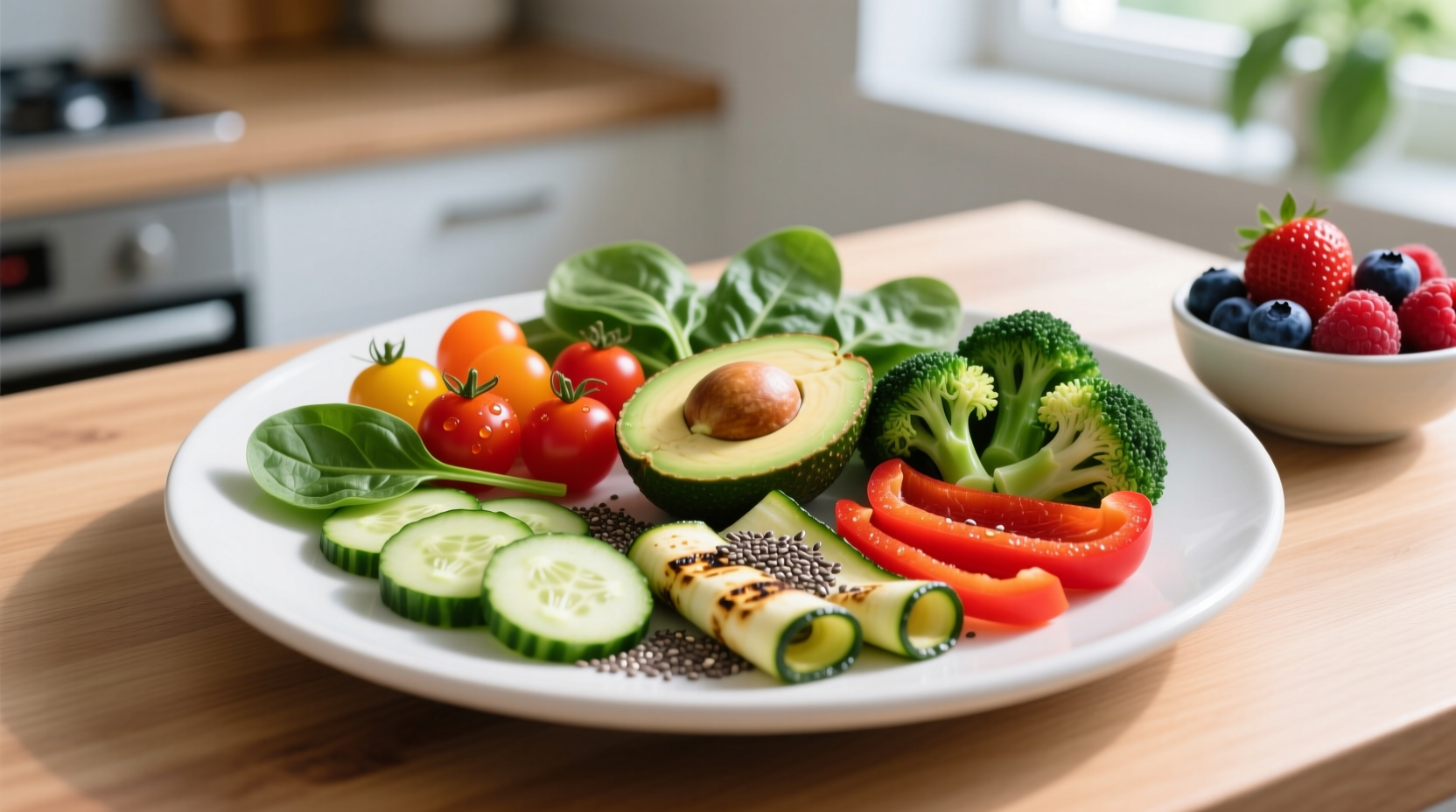
Practical Implementation: Building Your Weight Loss Plate
Knowing which foods help is only half the battle. Here's how to structure meals for maximum effectiveness:
The Plate Method for Natural Calorie Control
This simple visual strategy, recommended by registered dietitians, creates automatic portion control:
- 50% non-starchy vegetables: Broccoli, spinach, peppers, zucchini, asparagus
- 25% lean protein: Chicken breast, fish, tofu, eggs
- 25% complex carbohydrates: Quinoa, sweet potato, brown rice, beans
- Small portion of healthy fats: 1/4 avocado, 1 tbsp olive oil, 10 almonds
Common Pitfalls to Avoid
Even healthy foods can hinder weight loss when consumed inappropriately. Understanding these context boundaries prevents common mistakes:
- Fruit smoothies: Blending removes fiber benefits and concentrates sugar—stick to whole fruit instead
- "Healthy" snacks: Granola and trail mix often contain hidden sugars and excessive calories
- Timing matters: Eating carbohydrates earlier in the day aligns better with natural insulin sensitivity rhythms
- Individual responses vary: Some people lose weight more effectively with lower carbohydrate intake
Long-Term Success Strategies
Sustainable weight loss isn't about short-term diets but creating lasting habits. Research shows these approaches yield the best long-term results:
- Meal prep with variety: Prepare multiple vegetable options to prevent boredom
- Strategic food combinations: Pairing protein with fiber-rich carbs slows digestion for longer satisfaction
- Mindful eating practices: Eating slowly increases fullness hormone production by 13%
- Non-scale victories: Track energy levels, clothing fit, and exercise performance alongside weight
What the Research Says About Popular Weight Loss Foods
Nutrition science has evolved significantly in the past decade. This timeline of understanding shows how our knowledge has improved:
- 2000s: Low-fat diets dominated recommendations, often replacing fat with refined carbohydrates
- 2010-2015: Recognition that healthy fats support weight loss and overall health
- 2016-2020: Focus shifted to food quality over calorie counting, emphasizing whole foods
- 2021-present: Personalized nutrition approaches recognizing individual metabolic differences
"The biggest shift in nutrition science," notes Rodriguez, "is understanding that sustainable weight management comes from building a diverse, satisfying diet you can maintain for life—not from restrictive short-term solutions that inevitably fail."




 浙公网安备
33010002000092号
浙公网安备
33010002000092号 浙B2-20120091-4