
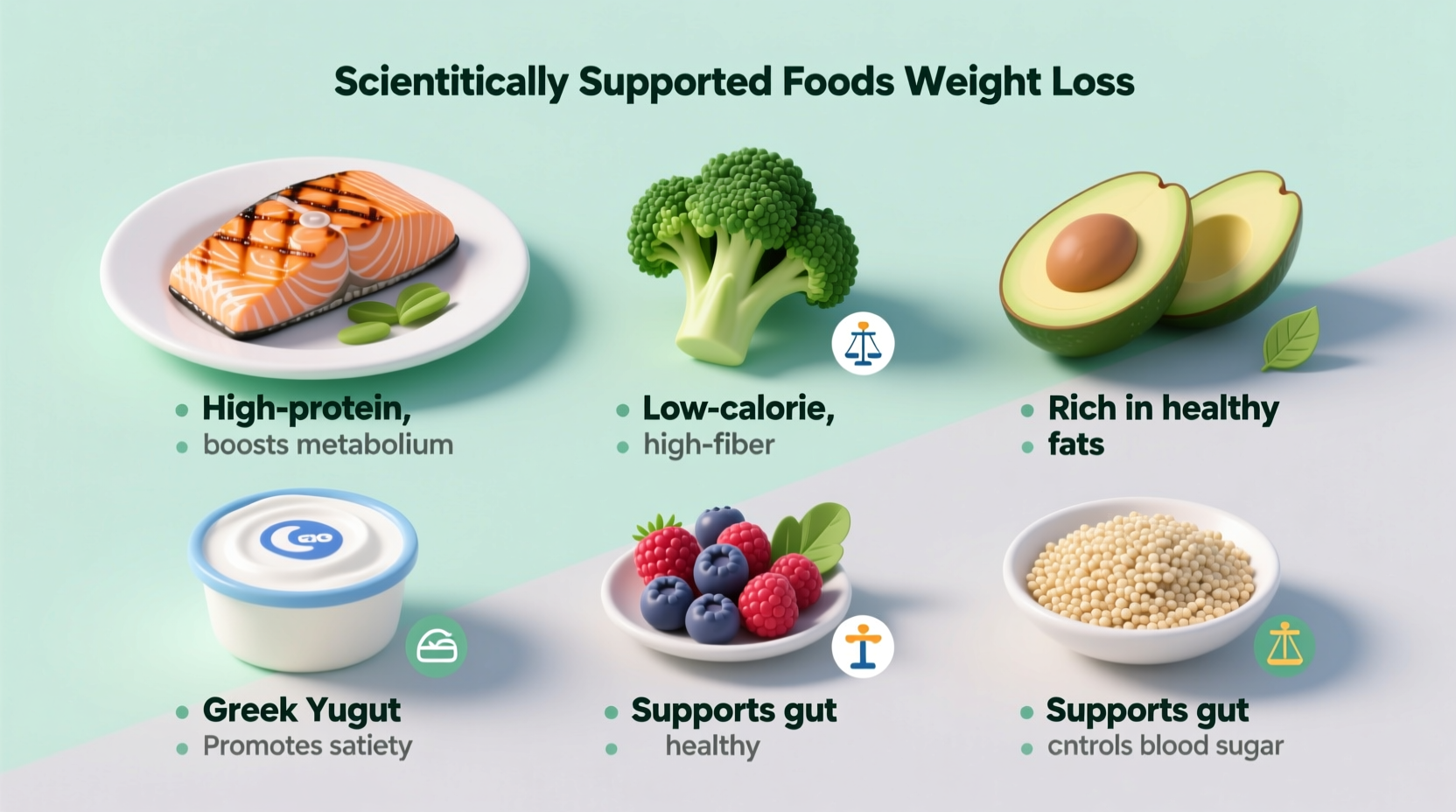
When searching for weight loss solutions, many people fall for quick fixes and restrictive diets. But science shows that sustainable weight management comes from incorporating nutrient-dense, satisfying foods into your regular eating pattern. This evidence-based guide reveals exactly which foods support weight loss through multiple mechanisms: increasing satiety, boosting metabolism, and providing essential nutrients without excess calories.
The Science Behind Weight-Loss Friendly Foods
Effective weight loss isn't about deprivation—it's about strategic food choices that work with your body's natural processes. Research from the National Center for Complementary and Integrative Health shows that foods with high water content, fiber, and protein create greater satiety per calorie consumed. This means you feel full longer while consuming fewer calories overall.
A landmark study published in The American Journal of Clinical Nutrition followed over 120,000 health professionals for 20 years, identifying specific foods consistently associated with weight maintenance and loss. The research revealed that certain food categories have significantly more impact on weight management than others.
| Food Category | Calories Per 100g | Satiety Index Score | Key Weight Loss Mechanism |
|---|---|---|---|
| Boiled Potatoes | 77 | 323 | High satiety, resistant starch |
| Oatmeal | 68 | 209 | Soluble fiber, slow digestion |
| Beans/Lentils | 127 | 168 | Protein + fiber combination |
| Apples | 52 | 197 | Water + fiber content |
| Salmon | 206 | 159 | Protein + omega-3 fats |
Source: Satiety Index data from Holt S, et al. (1995). A satiety index of common foods. European Journal of Clinical Nutrition.
Top Evidence-Based Foods for Sustainable Weight Loss
High-Protein Powerhouses
Protein increases metabolism by 15-30% compared to carbs or fats (thermic effect of food) and reduces levels of the hunger hormone ghrelin. According to research from Harvard T.H. Chan School of Public Health, adequate protein intake helps preserve muscle mass during weight loss, which is crucial for maintaining metabolic rate.
- Eggs: A study in the International Journal of Obesity found that people who ate eggs for breakfast consumed fewer calories over the next 36 hours compared to those who ate bagels.
- Lean poultry and fish: Provide complete protein without excessive saturated fat. Fatty fish like salmon also contain omega-3s that may reduce inflammation associated with obesity.
- Greek yogurt: Contains double the protein of regular yogurt and probiotics that may support gut health—increasingly linked to weight management.
Fiber-Rich Plant Foods
Foods high in dietary fiber create a physical barrier in your digestive tract that slows nutrient absorption and increases feelings of fullness. The American Heart Association recommends 25-30 grams of fiber daily, yet most people consume only about half that amount.
- Legumes: Beans, lentils, and chickpeas combine protein and fiber for maximum satiety. Research in The American Journal of Clinical Nutrition shows legume consumption is associated with lower body weight and reduced waist circumference.
- Cruciferous vegetables: Broccoli, cauliflower, Brussels sprouts, and cabbage provide volume with minimal calories while delivering essential vitamins and phytochemicals.
- Whole grains: Oats, quinoa, and brown rice contain resistant starch that feeds beneficial gut bacteria, potentially influencing metabolism and fat storage.
Practical Implementation: Making Weight Loss Foods Work for You
Smart Portion Strategies for Common Pitfalls
Even healthy foods can hinder weight loss when consumed in excess. Nuts, avocados, and dried fruits are nutrient-dense but calorie-concentrated. Understanding appropriate portions is crucial:
- Nuts: Stick to 1-ounce portions (about a small handful)
- Avocado: Half an avocado contains approximately 160 calories
- Dried fruit: A quarter cup equals one fruit serving (fresh fruit provides more volume for similar calories)
This contextual understanding separates successful long-term weight management from short-term dieting. As noted by nutrition researchers at Tufts University, "The same food can be supportive or counterproductive depending on portion size and overall dietary pattern."
Building Balanced Meals That Support Weight Loss
Create satisfying meals by following this simple formula that incorporates the most effective weight loss foods:
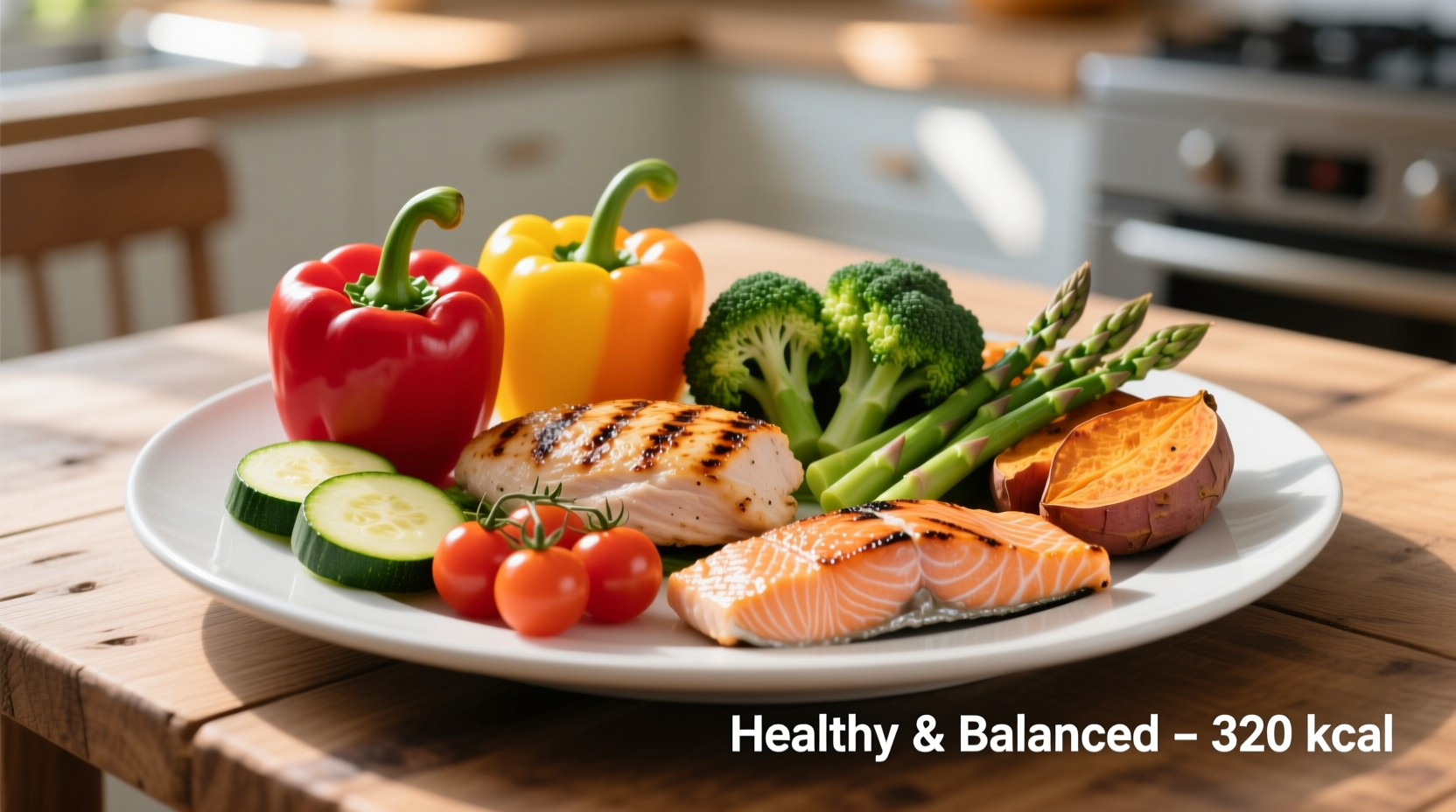
- Start with volume: Fill half your plate with non-starchy vegetables (spinach, broccoli, peppers, zucchini)
- Add lean protein: Allocate one-quarter of your plate to chicken, fish, tofu, or legumes
- Include smart carbohydrates: The remaining quarter should contain whole grains or starchy vegetables
- Finish with healthy fats: Add a small portion of nuts, seeds, or avocado
This approach naturally creates calorie-appropriate meals without requiring strict calorie counting—a strategy supported by research in Obesity journal showing that portion-controlled meal patterns lead to better long-term weight maintenance than restrictive diets.
Common Weight Loss Food Myths Debunked
Not all popular "weight loss foods" deliver on their promises. Understanding these limitations prevents wasted effort and potential setbacks:
- "All fats are bad" myth: Healthy fats from avocados, nuts, and olive oil actually increase satiety and nutrient absorption. The key is portion control.
- "Fruit makes you gain weight" misconception: Whole fruits contain fiber that slows sugar absorption. Research shows fruit consumption is associated with lower body weight.
- "Detox teas" claims: These products often contain laxatives that cause temporary water weight loss, not fat loss, and can disrupt normal digestive function.
The most effective weight loss approach focuses on sustainable dietary patterns rather than individual "magic" foods. As the National Institutes of Health emphasizes, "No single food or supplement will produce weight loss. Successful weight management requires permanent changes to eating and physical activity habits."
One-Day Sample Meal Plan
Here's how to incorporate these evidence-based weight loss foods into your daily routine:
- Breakfast: Veggie omelet with spinach and mushrooms, plus 1/2 avocado on whole grain toast
- Snack: Apple slices with 1 tablespoon almond butter
- Lunch: Large salad with mixed greens, grilled chicken, chickpeas, cherry tomatoes, and olive oil dressing
- Snack: Greek yogurt with a handful of berries
- Dinner: Baked salmon with roasted Brussels sprouts and quinoa
This meal pattern provides approximately 1,600-1,800 calories with balanced macronutrients, high fiber content, and abundant micronutrients—all while keeping you satisfied throughout the day.




 浙公网安备
33010002000092号
浙公网安备
33010002000092号 浙B2-20120091-4