
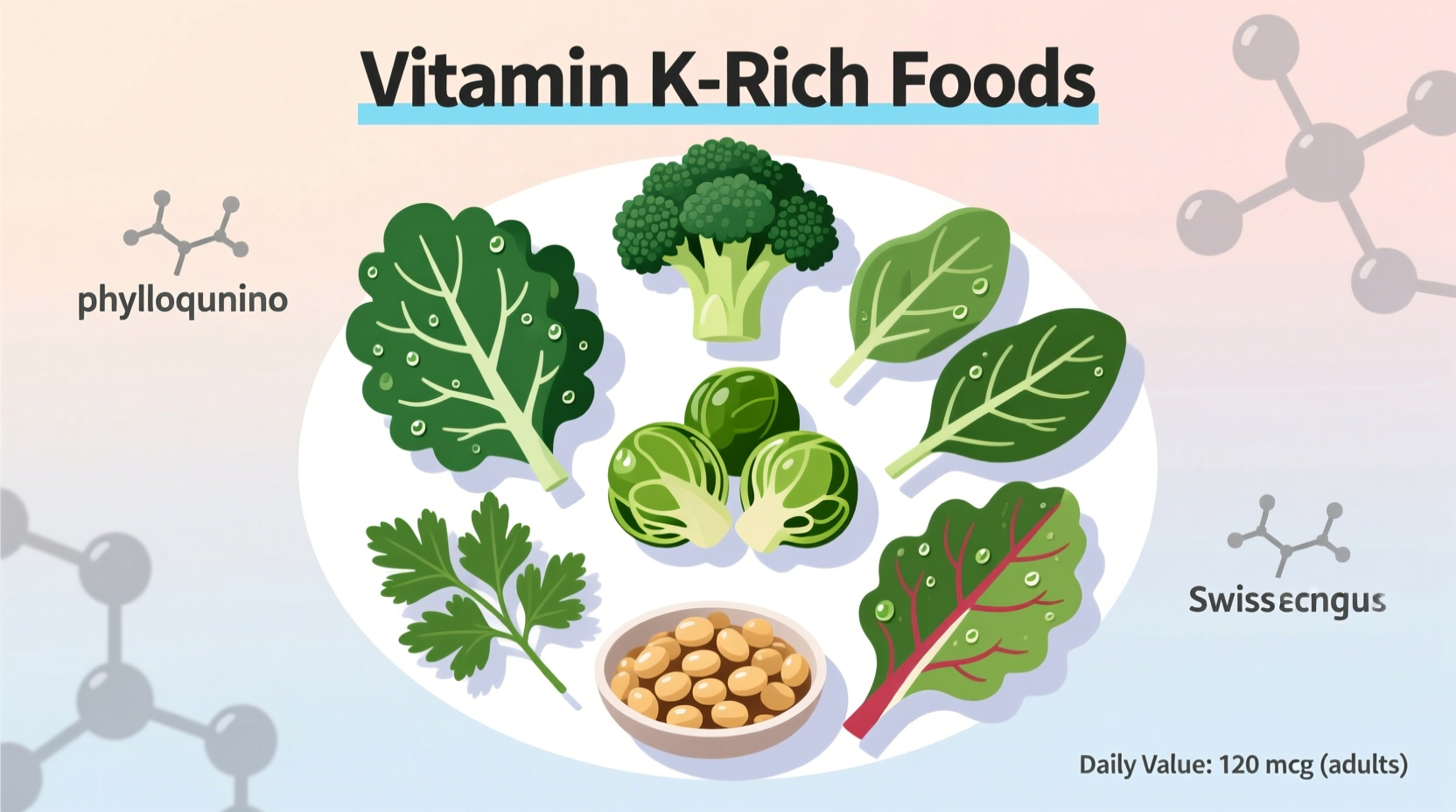
Discover exactly which foods can boost your vitamin K intake and how to incorporate them into your diet effectively. Whether you're managing a deficiency, taking blood thinners, or simply optimizing your nutrition, this guide delivers science-backed information about the best dietary sources of vitamin K with precise measurements and practical consumption tips.
Why Vitamin K Matters for Your Health
Vitamin K isn't just about blood clotting—this essential nutrient plays multiple critical roles in your body. Research from the National Institutes of Health shows vitamin K activates proteins that regulate blood coagulation, support bone mineralization, and prevent calcium buildup in arteries. Unlike other vitamins, your body doesn't store significant amounts of vitamin K, making regular dietary intake crucial for maintaining optimal levels.
There are two primary forms of vitamin K you'll encounter in foods: vitamin K1 (phylloquinone), predominantly found in plant sources, and vitamin K2 (menaquinones), which appears in animal products and fermented foods. Understanding this distinction helps optimize your dietary approach based on your specific health needs.
Top Vegetable Sources of Vitamin K
Leafy green vegetables dominate the list of vitamin K-rich foods, but the concentration varies dramatically between types. The USDA FoodData Central database provides precise measurements that reveal which options deliver the most significant nutritional impact per serving.
| Food | Preparation | Amount | Vitamin K (mcg) | % Daily Value |
|---|---|---|---|---|
| Kale | Cooked | 1 cup | 547 | 456% |
| Spinach | Cooked | 1 cup | 444 | 370% |
| Collard Greens | Cooked | 1 cup | 322 | 268% |
| Swiss Chard | Cooked | 1 cup | 299 | 249% |
| Broccoli | Cooked | 1 cup | 220 | 183% |
| Brussels Sprouts | Cooked | 1 cup | 219 | 182% |
This comparative data reveals that cooking significantly increases vitamin K availability compared to raw consumption. The USDA's nutrient analysis shows that cooking breaks down cell walls, making the fat-soluble vitamin K more bioavailable. However, steaming preserves more nutrients than boiling, which can leach vitamins into cooking water.
Other Significant Food Sources
Beyond leafy greens, several other food categories provide substantial vitamin K content. Understanding these alternative sources helps diversify your intake, especially if you have dietary restrictions or preferences.
Fermented Foods and Vitamin K2
Fermented products offer vitamin K2, which has different health implications than the K1 found in plants. Natto, a traditional Japanese food made from fermented soybeans, contains an exceptionally high 850 mcg per 3.5 ounce serving—the highest natural food source of vitamin K2. Other fermented options include sauerkraut (21 mcg per cup) and certain cheeses like Gouda (21 mcg per ounce).
Herbs and Seasonings
Surprisingly, common herbs pack a powerful vitamin K punch. Just one tablespoon of dried basil contains 36 mcg, while dried parsley delivers 33 mcg. Incorporating these into your cooking provides both flavor and nutritional benefits without significantly altering your meal structure.
Practical Strategies for Increasing Vitamin K Intake
Simply knowing which foods contain vitamin K isn't enough—you need actionable strategies to incorporate them effectively into your daily routine. Consider these evidence-based approaches:
- Pair with healthy fats: Vitamin K is fat-soluble, so consuming it with olive oil, avocado, or nuts enhances absorption. Try drizzling roasted vegetables with extra virgin olive oil.
- Steam instead of boil: Preserves more nutrients in vegetables while improving vitamin K bioavailability compared to raw consumption.
- Create nutrient-dense smoothies: Blend spinach or kale with banana, almond butter, and chia seeds for a vitamin K boost without strong vegetable flavor.
- Use herbs generously: Sprinkle parsley or basil on finished dishes to add flavor and vitamin K without extra calories.
Special Considerations for Vitamin K Consumption
While increasing vitamin K intake benefits most people, certain health conditions require careful management. Understanding these context boundaries prevents potential health complications.
For People Taking Blood Thinners
If you're on warfarin or similar anticoagulants, maintaining consistent vitamin K intake is more important than maximizing it. Sudden increases or decreases can interfere with medication effectiveness. The American Heart Association recommends working with your healthcare provider to establish a stable daily intake rather than focusing on high-vitamin K foods.
Vitamin K Absorption Factors
Your body's ability to absorb vitamin K depends on several factors beyond just consumption:
- Presence of dietary fat (needed for absorption)
- Gut health and microbiome composition
- Liver function
- Genetic variations affecting vitamin K metabolism
Individuals with digestive disorders like Crohn's disease or celiac disease may require higher intake or supplementation due to malabsorption issues. Consult a registered dietitian for personalized recommendations if you have digestive health concerns.
Historical Context of Vitamin K Research
Understanding vitamin K's discovery timeline provides valuable context for current nutritional recommendations:
- 1929: Danish scientist Henrik Dam discovers vitamin K while studying cholesterol metabolism in chickens
- 1935: Dam identifies the substance's role in blood coagulation, naming it "koagulationsvitamin" (K-vitamin)
- 1940s: Vitamin K administration becomes standard treatment for hemorrhagic disease in newborns
- 1970s: Researchers discover vitamin K's role in bone metabolism beyond blood clotting
- 2000s: Studies reveal vitamin K's potential cardiovascular benefits through regulation of calcium deposition
This evolution in understanding explains why modern nutritional science emphasizes vitamin K's broader health implications beyond its initial recognized function in blood coagulation.
FAQs About Vitamin K-Rich Foods
How much vitamin K do I need daily?
Adult men require 120 mcg and women need 90 mcg daily according to the National Academy of Medicine. Pregnant and breastfeeding women maintain the same requirement as other women their age.
Can I get too much vitamin K from food?
Vitamin K toxicity from natural food sources is extremely rare. The body efficiently regulates vitamin K levels, and no upper limit has been established for dietary vitamin K. However, excessive supplementation can cause problems, particularly for those on blood thinners.
Does cooking destroy vitamin K in vegetables?
Cooking actually increases vitamin K availability in most vegetables by breaking down plant cell walls. Steaming preserves more nutrients than boiling, which can leach some water-soluble compounds, but vitamin K remains stable during standard cooking methods.
Are vitamin K supplements necessary?
Most people can meet their vitamin K needs through diet alone. Supplements are typically recommended only for specific medical conditions, under healthcare provider supervision, particularly for those with malabsorption issues or on certain medications.




 浙公网安备
33010002000092号
浙公网安备
33010002000092号 浙B2-20120091-4