
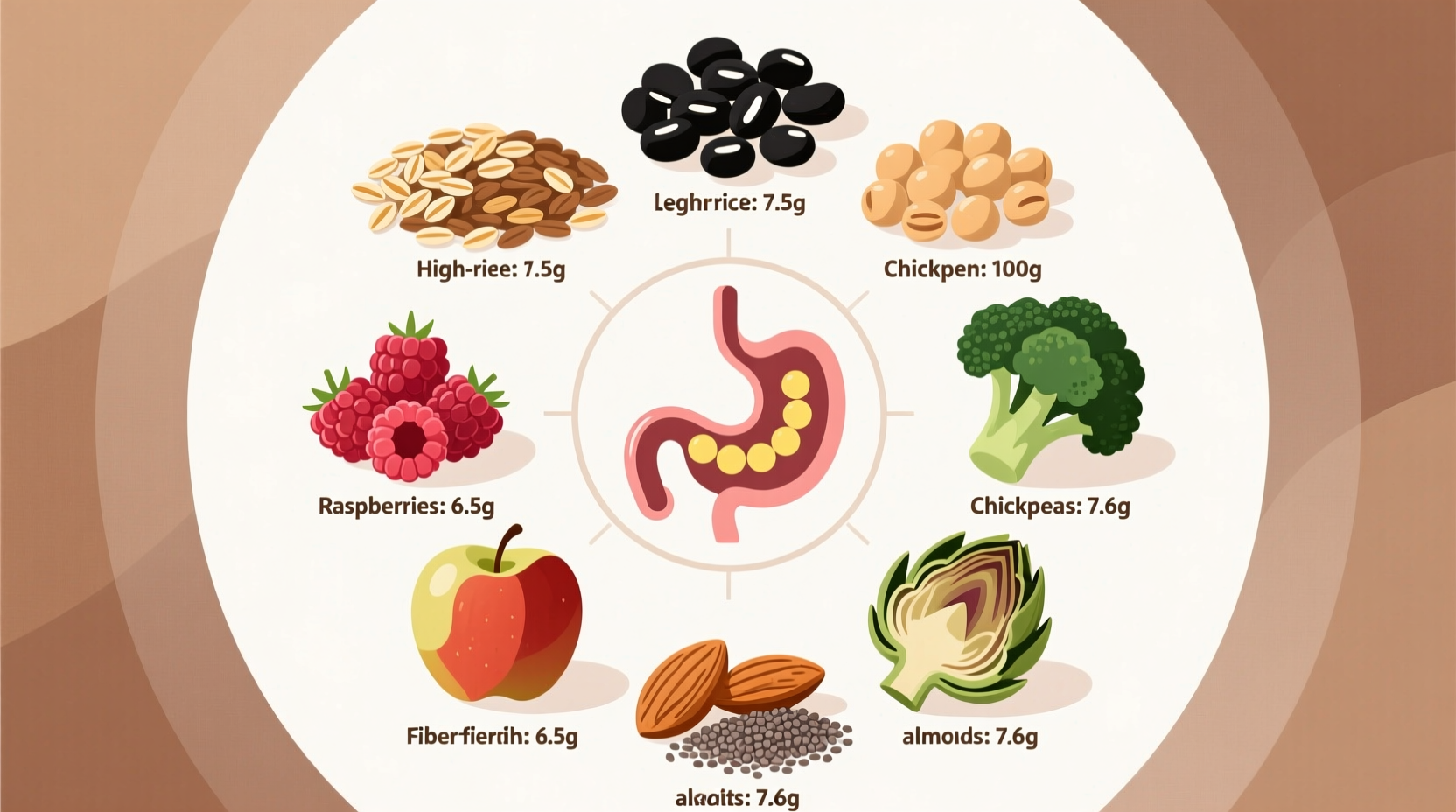
High-fiber foods include fruits like raspberries and pears, vegetables such as broccoli and artichokes, legumes including lentils and black beans, whole grains like oats and quinoa, and nuts and seeds including chia seeds and almonds. These foods provide essential dietary fiber that supports digestive health, helps control blood sugar levels, and promotes heart health. Most adults need 25-38 grams of fiber daily depending on age and gender.
Unlock Better Digestion and Heart Health with These Fiber Powerhouses
Imagine feeling fuller longer after meals, maintaining steady energy throughout your day, and supporting your gut health—all through simple food choices. That's the power of dietary fiber, and knowing what are fiber foods is your first step toward better health. Unlike processed foods stripped of their natural fiber, whole plant-based foods deliver this essential nutrient that keeps your digestive system running smoothly while reducing your risk of chronic diseases.
Despite its importance, 90% of Americans don't meet daily fiber recommendations. The good news? Incorporating high-fiber foods doesn't require drastic diet changes—just smart swaps and additions to your current eating pattern. Let's explore exactly which foods deliver the most fiber and how to make them work for your lifestyle.
Why Fiber Matters More Than You Think
Fiber isn't just about avoiding constipation—it's a cornerstone of preventive health. Research from the National Institutes of Health shows that adequate fiber intake reduces the risk of heart disease by 30%, lowers type 2 diabetes risk by 27%, and helps maintain a healthy weight. The magic happens because fiber slows digestion, preventing blood sugar spikes while feeding beneficial gut bacteria that support your immune system.
There are two types of dietary fiber, each with unique benefits:
| Fiber Type | Key Benefits | Top Food Sources | Fiber per Serving |
|---|---|---|---|
| Soluble Fiber | Reduces cholesterol, stabilizes blood sugar | Oats, beans, apples, chia seeds | 2-4g per serving |
| Insoluble Fiber | Promotes regular bowel movements, prevents constipation | Whole wheat, vegetables, nuts | 3-5g per serving |
Most high-fiber foods contain both types, which is why nutrition experts recommend eating a variety rather than focusing on just one category. This dual-action approach delivers comprehensive health benefits that isolated fiber supplements can't match.
Your Daily Fiber Roadmap: What to Eat and How Much
Determining what are fiber foods that fit your needs starts with understanding your daily requirements. According to the American Heart Association, optimal fiber intake varies by age and gender:
- Women under 50: 25 grams daily
- Men under 50: 38 grams daily
- Women over 50: 21 grams daily
- Men over 50: 30 grams daily
These recommendations have evolved significantly over time. In the 1980s, fiber guidelines focused primarily on preventing constipation. By the 2000s, research expanded to show fiber's role in heart health, leading to higher recommended amounts. Today's guidelines recognize fiber's impact on gut microbiome health—a relatively recent discovery that continues to reshape nutritional science.
Top Fiber Food Categories and How to Enjoy Them
Fruits That Pack a Fiber Punch
When considering what are fiber foods in the fruit category, look beyond bananas. One cup of raspberries delivers 8 grams of fiber—more than double most other fruits. Pears with skin (5.5g), apples with skin (4.4g), and avocados (10g per half) are excellent choices. For maximum benefit, eat fruits with their skins when possible, as that's where much of the fiber resides.
Vegetables: Nature's Fiber Powerhouses
Artichokes top the vegetable list with 10.3 grams per medium artichoke. Broccoli (5.1g per cup cooked), Brussels sprouts (6g per cup), and sweet potatoes with skin (4g per medium potato) follow closely. The key to preserving fiber in vegetables is minimal processing—steaming instead of boiling helps retain more fiber and nutrients.
Legumes: The Fiber Champions
Beans and lentils deliver impressive fiber amounts: one cup of black beans contains 15 grams, lentils offer 15.6g, and chickpeas provide 12.5g. These foods also contain protein, making them ideal for plant-based diets. When incorporating legumes, start slowly and increase water intake to avoid digestive discomfort.
Whole Grains and Seeds
Not all grains are created equal when it comes to fiber content. Oats (4g per 1/2 cup dry), quinoa (5g per cooked cup), and barley (6g per cooked cup) outperform refined grains. Chia seeds (10g per ounce) and flaxseeds (8g per ounce) are fiber superstars that can be easily added to smoothies, yogurt, or baked goods.
Smart Strategies for Increasing Your Fiber Intake
Transitioning to a high-fiber diet requires thoughtful planning. Your digestive system needs time to adjust, so increase fiber gradually over 2-3 weeks. Pair each high-fiber food addition with extra water—fiber absorbs liquid in your digestive tract, and insufficient hydration can cause discomfort.
Practical swaps make a significant difference:
- Replace white rice with brown rice or quinoa
- Choose whole-grain bread instead of refined varieties
- Add beans to soups and salads
- Snack on raw vegetables with hummus
- Include fruit in breakfast instead of juice
Be mindful that certain medical conditions require modified fiber intake. People with irritable bowel syndrome (IBS) may need to follow a low-FODMAP diet initially, while those with diverticulitis might require temporary fiber restriction during flare-ups. Always consult your healthcare provider before making significant dietary changes if you have digestive disorders.
Avoiding Common Fiber Mistakes
Many people make these errors when trying to increase fiber:
- Increasing too quickly: This causes bloating and gas. Add 5 grams of fiber weekly until reaching your goal.
- Not drinking enough water: Fiber needs water to move through your system effectively.
- Relying solely on supplements: Whole foods provide additional nutrients beyond just fiber.
- Choosing processed 'high-fiber' products: Many contain isolated fibers like inulin with less proven benefit than natural fiber sources.
Remember that fiber quality matters as much as quantity. Whole plant foods deliver fiber along with vitamins, minerals, and phytonutrients that work synergistically for optimal health.




 浙公网安备
33010002000092号
浙公网安备
33010002000092号 浙B2-20120091-4