
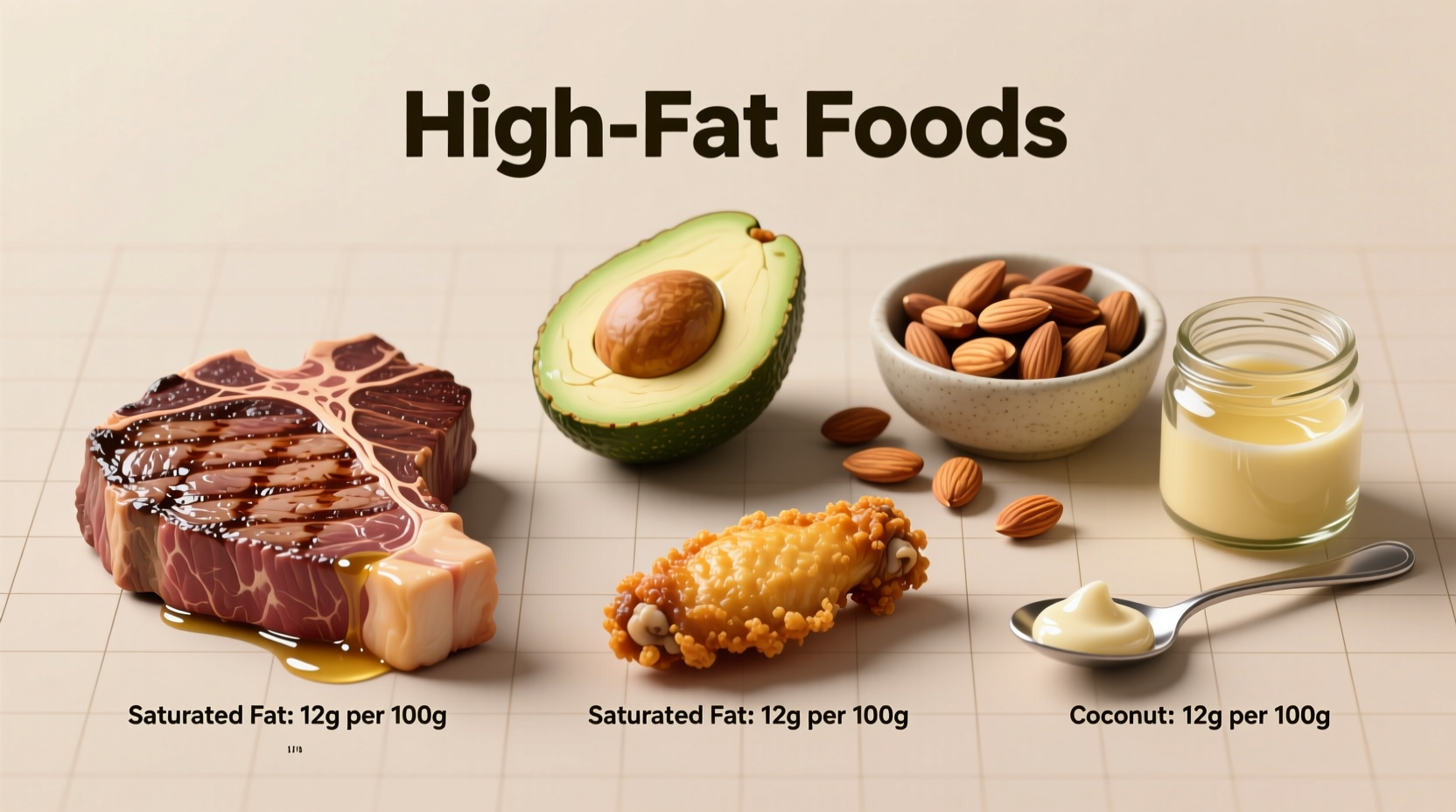
When you search what are fatty foods, you're likely seeking clear, science-backed information to make smarter dietary decisions. This guide delivers exactly that—breaking down fat types, identifying which high-fat foods benefit your health, and explaining how to incorporate them properly into your diet. No confusing jargon, just actionable nutrition facts you can trust.
Defining Fatty Foods: Beyond the Basics
Fatty foods contain significant amounts of lipids, primarily triglycerides composed of fatty acids and glycerol. According to the Dietary Guidelines for Americans, fats should constitute 20-35% of your daily caloric intake. But not all fats function the same way in your body or impact your health equally.
When evaluating what qualifies as fatty foods, nutritionists consider both the quantity and quality of fats present. A food containing 5+ grams of fat per serving generally falls into the "high-fat" category, but the source matters more than the number alone.
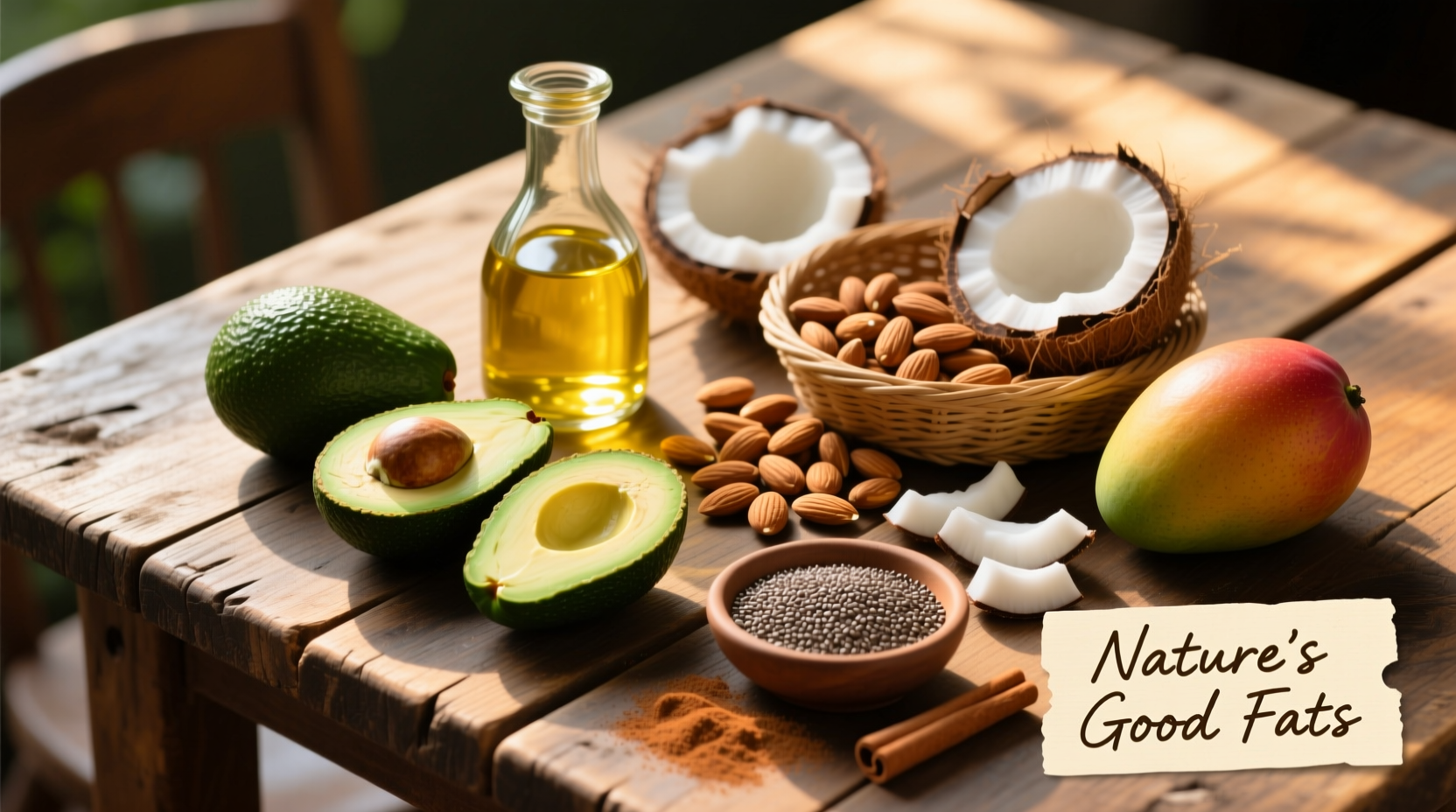
Understanding Different Types of Dietary Fats
The distinction between healthy and unhealthy fats determines whether fatty food options support or undermine your wellbeing. Let's examine the four primary fat categories with their characteristics and food sources.
| Fat Type | Chemical Structure | Primary Food Sources | Health Impact |
|---|---|---|---|
| Saturated Fats | Straight chains, solid at room temperature | Red meat, full-fat dairy, coconut oil, palm oil | Raises LDL cholesterol; limit to <10% of daily calories (American Heart Association) |
| Monounsaturated Fats | One double bond, liquid at room temperature | Olive oil, avocados, almonds, peanuts | Lowers LDL, maintains HDL; heart-protective |
| Polyunsaturated Fats | Multiple double bonds, liquid at room temperature | Salmon, walnuts, flaxseeds, sunflower oil | Essential fatty acids (omega-3/6); reduces inflammation |
| Trans Fats | Artificially hydrogenated, solid consistency | Fried foods, baked goods, margarine, processed snacks | Increases heart disease risk; avoid completely (FDA) |
Common Fatty Foods: Healthy vs. Less Healthy Options
When people ask what are examples of fatty foods, they often assume all high-fat options are unhealthy. This misconception overlooks crucial distinctions between fat sources.
Beneficial High-Fat Foods
Nutrition science increasingly recognizes the value of certain healthy fatty food choices. These provide essential nutrients while supporting bodily functions:
- Fatty fish (salmon, mackerel, sardines): Rich in omega-3 fatty acids that reduce inflammation
- Avocados: Packed with monounsaturated fats and fiber (Mayo Clinic research shows they improve cholesterol profiles)
- Nuts and seeds (almonds, walnuts, chia seeds): Provide healthy fats plus protein and minerals
- Olive oil: Contains oleic acid which may reduce heart disease risk (per studies in Nutrition Journal)
Foods with Less Beneficial Fats
Certain fatty food products contain problematic fat compositions that warrant moderation:
- Processed snacks (chips, crackers): Often contain trans fats and excessive saturated fats
- Fried foods: Absorb unhealthy fats during cooking process
- Fatty cuts of red meat: Higher in saturated fats compared to lean proteins
- Full-fat dairy products: Can be part of balanced diet but require portion control
Health Implications of Dietary Fats
Understanding how fatty foods affect your body helps make informed choices. The National Institutes of Health emphasizes that fats serve critical functions:
- Provide energy (9 calories per gram)
- Support cell growth
- Protect organs
- Help absorb fat-soluble vitamins (A, D, E, K)
- Produce important hormones
However, the American Heart Association warns that excessive saturated and trans fats contribute to cardiovascular disease—the leading cause of death globally. Their 2023 scientific statement confirms replacing saturated fats with unsaturated alternatives reduces heart disease risk by up to 30%.
Practical Guidance for Healthy Fat Consumption
When incorporating fatty food items into your diet, consider these evidence-based strategies:
Reading Nutrition Labels Effectively
Check both total fat content and the breakdown of fat types. The FDA requires labeling of:
- Total fat
- Saturated fat
- Trans fat
Avoid products listing "partially hydrogenated oils" in ingredients, as these contain trans fats even if labeled "0g" (per FDA loophole regulations).
Smart Swaps for Healthier Fat Intake
Small changes make significant differences in your fatty food consumption patterns:
- Replace butter with avocado or olive oil in recipes
- Choose grilled salmon instead of fried chicken
- Snack on almonds rather than potato chips
- Use Greek yogurt instead of sour cream
Portion Control Matters
Even healthy fats are calorie-dense. Registered dietitians recommend:
- 1/4 avocado per serving
- 1 ounce (about 23) nuts
- 1-2 tablespoons of oils
Understanding Fat Recommendations Through Time
Nutrition guidance regarding fatty foods in diet has evolved significantly. This timeline shows how scientific understanding has progressed:
- 1970s-1980s: Low-fat diets promoted universally; all fats considered equally harmful
- 1990s: Recognition of trans fat dangers begins; margarine questioned
- 2000s: Distinction between fat types established; Mediterranean diet gains recognition
- 2010s: Healthy fats embraced; saturated fat guidelines refined
- 2020s: Personalized nutrition approaches; focus on whole food fat sources
Current dietary guidelines from the World Health Organization emphasize quality over quantity, recommending replacement of saturated fats with unsaturated alternatives rather than blanket fat reduction.
Frequently Asked Questions
Are all fatty foods bad for you?
No, not all fatty foods are unhealthy. Many high-fat foods like avocados, nuts, seeds, and fatty fish contain beneficial unsaturated fats that support heart health, brain function, and nutrient absorption. The key is distinguishing between healthy fats (mono- and polyunsaturated) and less healthy fats (saturated and trans fats).
How much fat should I eat daily?
According to the Dietary Guidelines for Americans, fats should comprise 20-35% of your total daily calories. For a 2,000-calorie diet, this equals 44-78 grams of fat daily. Focus on getting most fats from unsaturated sources while limiting saturated fats to less than 10% of calories and avoiding trans fats completely.
What's the difference between saturated and unsaturated fats?
Saturated fats have no double bonds between carbon atoms and are typically solid at room temperature (like butter). Unsaturated fats have one or more double bonds and remain liquid (like olive oil). Unsaturated fats generally improve cholesterol levels and reduce heart disease risk, while excessive saturated fats can raise LDL cholesterol.
Can I lose weight while eating fatty foods?
Yes, you can include healthy fatty foods in a weight loss plan. While fats are calorie-dense (9 calories per gram), they increase satiety and help control hunger. Research published in The Lancet shows diets rich in healthy fats like the Mediterranean diet can support sustainable weight loss when consumed in appropriate portions as part of a balanced eating pattern.
How can I identify hidden unhealthy fats in processed foods?
Check ingredient lists for "partially hydrogenated oils," which indicate trans fats even if the label claims 0g. Also watch for terms like "shortening" or "hydrogenated vegetable oil." The American Heart Association recommends choosing products with less than 2g saturated fat per serving and no trans fats. When in doubt, compare nutrition labels and opt for whole, minimally processed foods.




 浙公网安备
33010002000092号
浙公网安备
33010002000092号 浙B2-20120091-4