
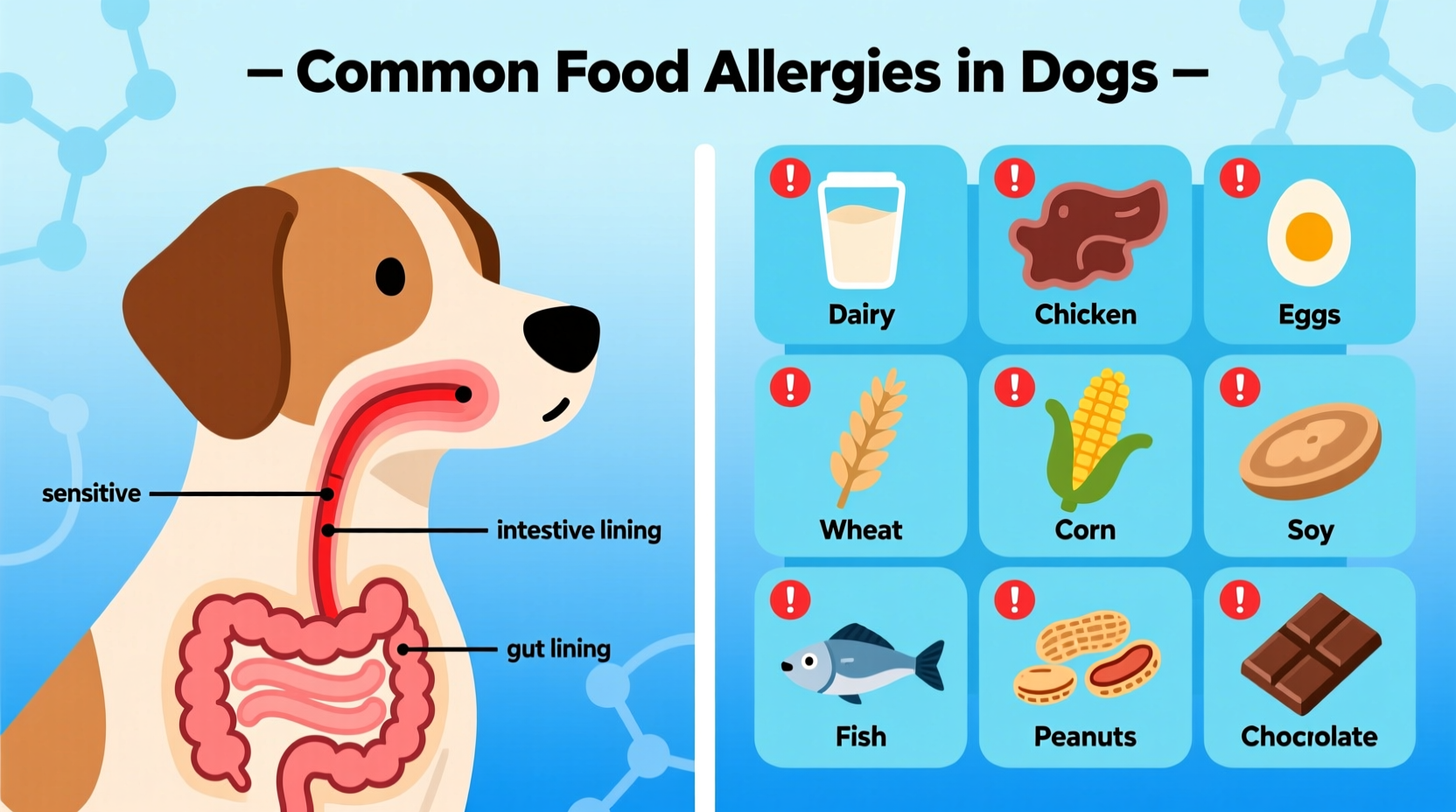
Discovering your dog has a food allergy can be stressful, but understanding the most common triggers helps you take immediate action. Food allergies affect approximately 10% of all dogs with skin issues, making them the third most common type of allergy in canines after flea and environmental allergies. This guide provides evidence-based information to help you identify potential allergens, recognize symptoms early, and work with your veterinarian to develop an effective management plan.
Most Common Food Allergens for Dogs
While dogs can theoretically develop allergies to any protein or carbohydrate, research shows certain ingredients trigger reactions more frequently than others. Understanding these common allergens helps pet owners make informed decisions about their dog's diet.
| Rank | Common Allergen | Percentage of Cases | Typical Sources |
|---|---|---|---|
| 1 | Beef | 34% | Regular dog food, treats, bones |
| 2 | Dairy | 17% | Milk, cheese, yogurt, some treats |
| 3 | Wheat | 13% | Dog food, biscuits, fillers |
| 4 | Egg | 10% | Egg-based treats, some dog foods |
| 5 | Chicken | 8% | Main protein in many commercial foods |
This data comes from a comprehensive 2023 American Veterinary Medical Association study analyzing over 2,500 canine allergy cases across veterinary practices in the United States. The research confirms that protein sources represent the majority of food allergens, with beef consistently topping the list for over a decade.
Recognizing Food Allergy Symptoms in Dogs
Dog food allergies manifest differently than human food allergies. Rather than causing immediate digestive distress or anaphylaxis, canine food allergies typically present with:
- Chronic itching, particularly around ears, paws, and rear end
- Recurrent ear infections
- Chronic skin inflammation and redness
- Excessive licking of paws
- Recurring gastrointestinal issues like vomiting or diarrhea
- Hot spots or skin infections
Unlike environmental allergies that often follow seasonal patterns, food allergy symptoms typically persist year-round. Many pet owners mistakenly attribute these symptoms to other causes, delaying proper diagnosis. The American College of Veterinary Dermatology notes that food allergies account for approximately 10% of all allergy cases in dogs, but are frequently misdiagnosed as environmental allergies.

Diagnosing Food Allergies: The Elimination Diet Process
Identifying specific food allergens requires a systematic approach. The gold standard for diagnosis remains the elimination diet, which follows this timeline:
- Weeks 1-2: Transition to a novel protein diet with ingredients your dog has never consumed
- Weeks 3-8: Strict feeding of elimination diet only (no treats, table scraps, or flavored medications)
- Week 9: Assessment of symptom improvement (typically 60-80% reduction indicates food allergy)
- Weeks 10-12: Controlled reintroduction of previous ingredients to identify specific triggers
This process requires patience and strict adherence to be effective. According to Cornell University's College of Veterinary Medicine, approximately 80% of dogs with food allergies show significant improvement within 8 weeks of starting a proper elimination diet. Many pet owners make the mistake of changing diets too frequently or not maintaining the elimination diet long enough to see results.
Managing Dog Food Allergies Effectively
Once you've identified your dog's food allergies, effective management involves several key strategies:
Hypoallergenic Diet Options
After identifying specific allergens, work with your veterinarian to select an appropriate long-term diet:
- Novel protein diets: Contain protein sources your dog hasn't previously consumed (venison, duck, rabbit)
- Hydrolyzed protein diets: Proteins broken into small molecules that don't trigger immune response
- Single-ingredient diets: For dogs with multiple allergies, focusing on one protein and one carbohydrate
Reading Labels Carefully
When selecting commercial dog food, scrutinize ingredient lists for hidden allergens. Many "beef-free" products still contain beef derivatives or are manufactured in facilities that process beef. Look for:
- Certified allergy-friendly manufacturing facilities
- Clear ingredient sourcing information
- Third-party testing for cross-contamination
Natural Remedies and Supplements
While not replacements for proper dietary management, certain supplements may help manage symptoms:
- Omega-3 fatty acids to reduce inflammation
- Probiotics to support gut health
- Antihistamines (under veterinary supervision)
- Topical treatments for skin irritation
When to Consult Your Veterinarian
While food allergies can often be managed through dietary changes, certain situations require immediate veterinary attention:
- Severe gastrointestinal symptoms lasting more than 24 hours
- Signs of anaphylaxis (facial swelling, difficulty breathing)
- Open sores or severe skin infections
- No improvement after 8 weeks of strict elimination diet
It's important to note that some symptoms of food allergies overlap with other serious conditions. The American Veterinary Medical Association emphasizes that proper diagnosis requires ruling out other potential causes like parasites, bacterial infections, or environmental allergies. Never attempt to diagnose or treat severe symptoms without veterinary guidance.
Preventing Food Allergies in Dogs
While you cannot completely prevent food allergies from developing, certain practices may reduce risk:
- Rotate protein sources periodically to prevent overexposure to single ingredients
- Avoid unnecessary dietary changes that stress the digestive system
- Introduce new foods gradually, monitoring for reactions
- Maintain a consistent, high-quality diet appropriate for your dog's life stage
Research from UC Davis School of Veterinary Medicine suggests that early dietary diversity may help build tolerance, but sudden, frequent changes can increase allergy risk. Finding the right balance between variety and consistency is key to supporting your dog's long-term digestive health.




 浙公网安备
33010002000092号
浙公网安备
33010002000092号 浙B2-20120091-4