
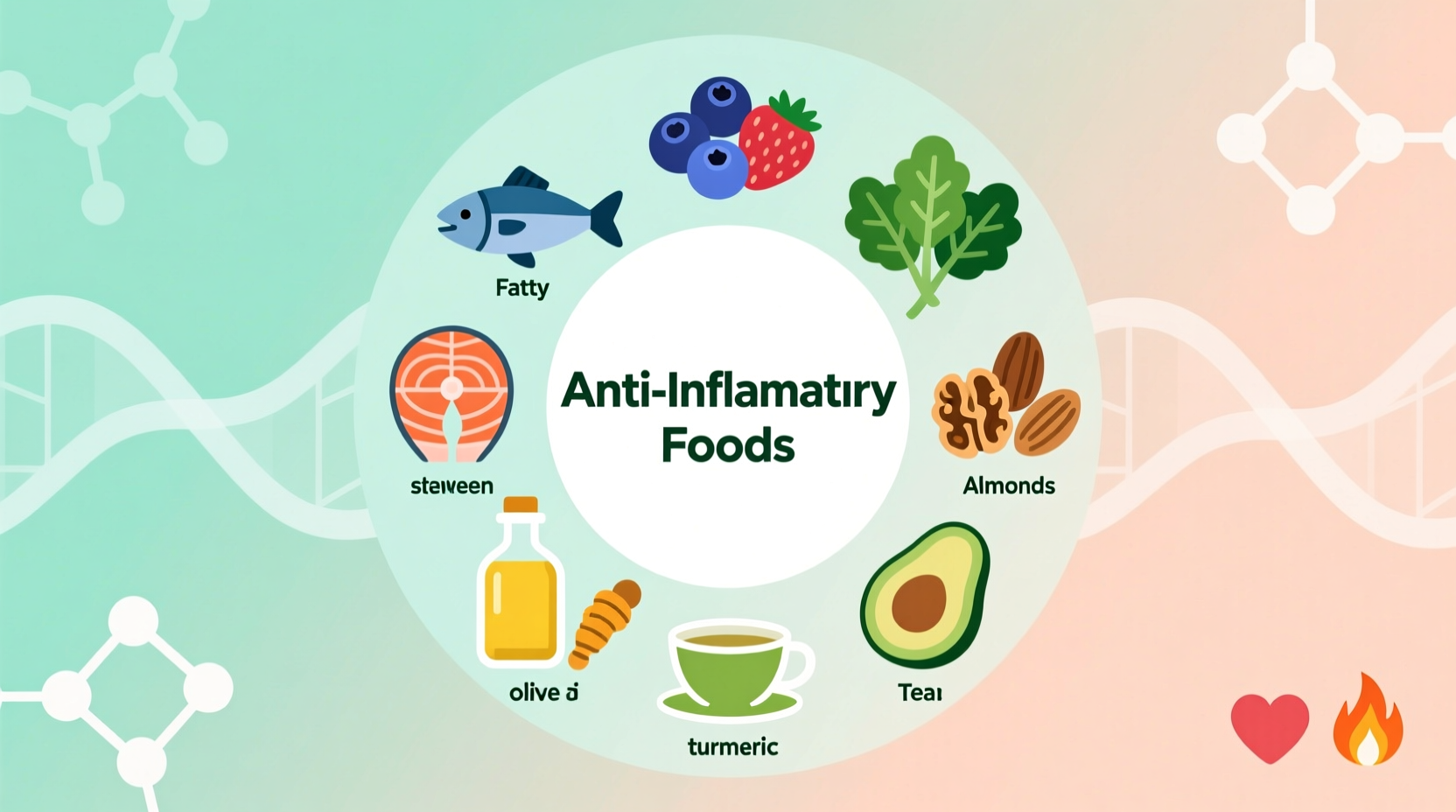
Anti-inflammatory foods include fatty fish like salmon, leafy greens such as spinach, berries, nuts like walnuts, olive oil, tomatoes, and spices including turmeric and ginger. These foods contain compounds that help reduce chronic inflammation in the body, which is linked to numerous health conditions including heart disease, diabetes, and arthritis.
Discover how specific foods can combat inflammation and transform your health. This evidence-based guide reveals exactly which anti-inflammatory foods to incorporate into your diet, backed by clinical research from leading medical institutions. You'll learn practical strategies to reduce inflammation through everyday eating habits without drastic dietary changes.
Understanding Inflammation and Your Diet
Chronic inflammation differs from acute inflammation (your body's normal response to injury). When inflammation becomes chronic, it contributes to serious health conditions including heart disease, diabetes, and autoimmune disorders. Research from the National Center for Complementary and Integrative Health shows that dietary choices significantly influence inflammatory processes in your body.
| Inflammation Type | Natural Duration | Health Impact | Dietary Influence |
|---|---|---|---|
| Acute | Hours to days | Protective healing response | Minimal impact |
| Chronic | Months to years | Contributes to disease development | Significantly reduced by proper diet |
Top Anti-Inflammatory Food Categories
Fatty Fish and Omega-3 Powerhouses
Fatty fish represent one of the most potent anti-inflammatory food groups. The American Heart Association confirms that regular consumption of fatty fish reduces inflammatory markers like C-reactive protein. Incorporate these options:
- Salmon (wild-caught preferred): Contains 1.8-2.5g of EPA/DHA per 3-ounce serving
- Mackerel: Provides approximately 0.5-1g of omega-3s per ounce
- Sardines: Rich in both omega-3s and vitamin D
- Chia seeds: Plant-based omega-3 source (5g per ounce)
Colorful Fruits and Berries
Berries contain anthocyanins, powerful antioxidants that combat inflammation. A National Institutes of Health study demonstrated that regular berry consumption reduced inflammatory markers by up to 25% in clinical trials. Prioritize these options:
- Blueberries: Highest anthocyanin content among common fruits
- Cherries: Particularly effective for exercise-induced inflammation
- Strawberries: Rich in both vitamin C and quercetin
- Pineapple: Contains bromelain, an enzyme with anti-inflammatory properties
Leafy Greens and Cruciferous Vegetables
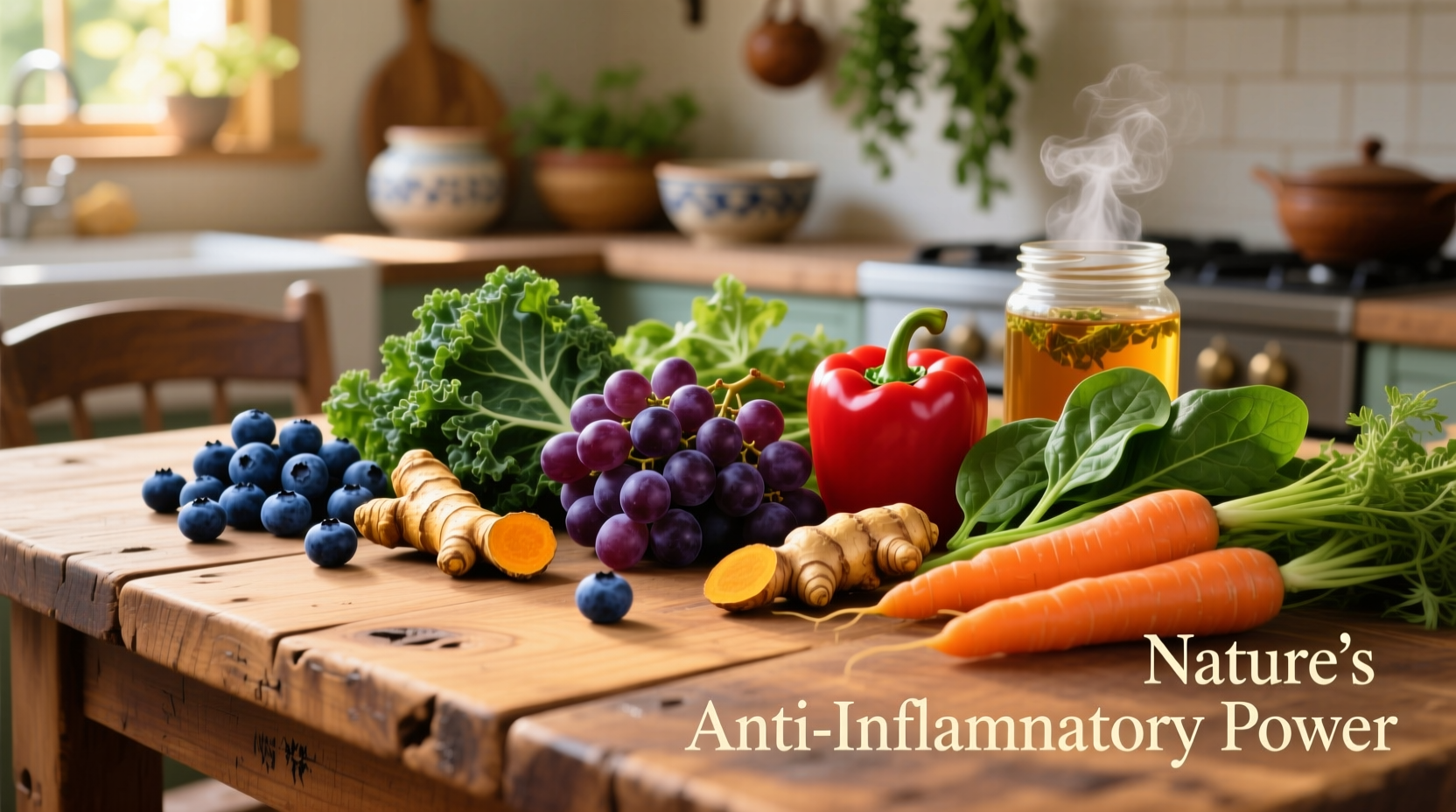
Dark leafy greens contain alpha-lipoic acid and other compounds that reduce inflammation. Research from Harvard T.H. Chan School of Public Health shows that regular consumption of leafy greens correlates with lower inflammatory markers. Include these in your daily meals:
- Spinach: Rich in kaempferol, an anti-inflammatory flavonoid
- Kale: Contains quercetin and kaempferol
- Broccoli: Provides sulforaphane, which reduces inflammatory responses
- Brussels sprouts: High in glucosinolates with anti-inflammatory effects
Foods That Increase Inflammation
Certain foods actively promote inflammation and should be limited or avoided. The Centers for Disease Control and Prevention identifies these as major contributors to chronic inflammatory conditions:
- Refined carbohydrates (white bread, pastries)
- Sugary beverages (soda, sweetened teas)
- Fried foods (especially those using vegetable oils)
- Processed meats (sausages, bacon)
- Excessive alcohol consumption
Practical Implementation Strategies
Transitioning to an anti-inflammatory diet doesn't require drastic changes. Implement these evidence-based approaches:
Simple Swaps for Everyday Meals
- Replace white rice with quinoa or brown rice
- Use extra virgin olive oil instead of vegetable oil
- Choose whole fruits over fruit juices
- Snack on walnuts instead of processed crackers
- Add turmeric to scrambled eggs or roasted vegetables
Sample Daily Meal Plan
| Meal | Anti-Inflammatory Options | Key Compounds |
|---|---|---|
| Breakfast | Spinach omelet with mushrooms and turmeric | Curcumin, vitamin K, selenium |
| Lunch | Salmon salad with mixed greens and olive oil dressing | Omega-3s, vitamin E, polyphenols |
| Dinner | Roasted Brussels sprouts with garlic and lemon | Sulforaphane, allicin, vitamin C |
Common Misconceptions About Anti-Inflammatory Diets
Several myths persist about anti-inflammatory eating. Let's clarify these based on current research:
- Myth: All fats increase inflammation Fact: Healthy fats like omega-3s and monounsaturated fats reduce inflammation
- Myth: You need expensive supplements for anti-inflammatory benefits Fact: Whole foods provide more comprehensive benefits than isolated supplements
- Myth: Anti-inflammatory diets require eliminating entire food groups Fact: Balance and variety matter more than elimination
Timeline of Scientific Understanding
Our knowledge of diet and inflammation has evolved significantly over recent decades:
- 1980s: Researchers first identified omega-3 fatty acids' anti-inflammatory properties
- 1990s: Studies established the connection between diet and inflammatory markers like CRP
- 2000s: Research confirmed specific food compounds (curcumin, resveratrol) reduce inflammation
- 2010s: Large population studies demonstrated long-term health benefits of anti-inflammatory diets
- 2020s: Personalized nutrition approaches consider individual inflammatory responses to foods
When Anti-Inflammatory Foods Aren't Enough
While diet plays a crucial role, certain situations require additional approaches:
- Severe inflammatory conditions like rheumatoid arthritis often need medical treatment alongside dietary changes
- Individual responses to anti-inflammatory foods vary based on genetics and gut microbiome
- Acute inflammation from injuries requires immediate medical attention
- Chronic stress and poor sleep can counteract dietary anti-inflammatory efforts




 浙公网安备
33010002000092号
浙公网安备
33010002000092号 浙B2-20120091-4