
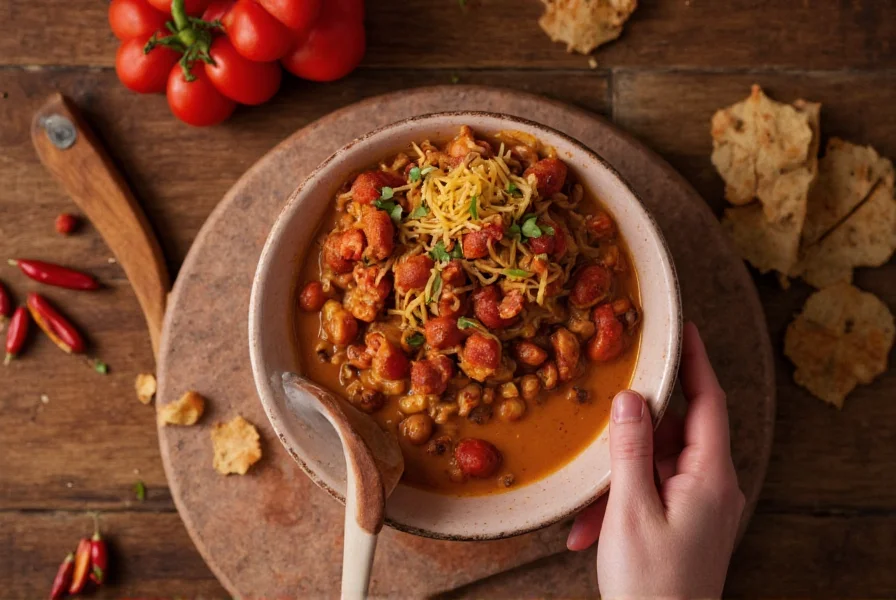
Wendy's chili has been a staple of the fast-food chain's menu since Dave Thomas opened the first restaurant in Columbus, Ohio. This distinctive recipe stands apart from regional chili variations through its balanced flavor profile and consistent preparation across all locations. The chain serves over 100 million bowls annually, making it one of America's most recognized fast-food chili offerings.
The History Behind Wendy's Signature Chili
When Dave Thomas founded Wendy's in 1969, he deliberately included chili as part of the original menu lineup. Drawing inspiration from Midwestern and Cincinnati chili traditions rather than Texas or Mexican styles, Thomas developed a recipe that would appeal to broad American tastes. The chili debuted alongside the square hamburger and has remained virtually unchanged for over 50 years, surviving numerous menu revisions while maintaining its core recipe.
Unlike many fast-food items that rotate seasonally, Wendy's chili represents one of the company's longest-running permanent menu features. Its enduring popularity stems from strategic recipe development that balances cost efficiency with distinctive flavor. The chain's commitment to this item reflects its understanding of comfort food psychology—simple, affordable, and reliably satisfying.
Wendy's Chili: A Timeline of Key Milestones
Wendy's chili has maintained its core recipe through decades of culinary evolution while adapting to shifting consumer preferences. Verified milestones include:
- November 15, 1969: The first Wendy's restaurant opens in Columbus, Ohio, featuring chili as a foundational menu item. Dave Thomas intentionally included it to differentiate from burger-only competitors, drawing from his Midwestern roots. (Source: CNN: Wendy's Turns 50)
- 1976: With over 500 locations, Wendy's chili remains unchanged while competitors modify recipes, establishing it as one of fast food's most consistent offerings. Sales data shows it became a top-three side item during this expansion phase. (Source: Wendy's Official History)
- 2008-2009 Recession: Chili sales increased 18% as consumers sought affordable comfort foods, demonstrating its economic resilience. This pattern repeated during the 2020 pandemic downturn. (Source: National Bureau of Economic Research: Fast Food Demand During Recessions)
- 2019: Wendy's celebrates 50 years of identical chili formulation, with nutritional analysis confirming recipe consistency since the 1970s. (Source: Wendy's 50th Anniversary Report)
Wendy's Chili Ingredients and Preparation
While Wendy's maintains its exact recipe as proprietary information, food analysis and ingredient listings reveal the primary components. The base consists of:
- Ground beef (80% lean)
- Water and beef stock
- Red kidney beans
- Onions
- Wheat flour (as thickener)
- Tomato paste
- Garlic powder
- Chili powder blend
- Salt and various seasonings
The preparation process involves simmering ground beef with onions before adding beans, tomato components, and the signature spice blend. The mixture cooks for several hours to develop flavor complexity while maintaining food safety standards for commercial kitchens. This slow-simmer approach differentiates it from many fast-food items that prioritize speed over flavor development.
| Chili Style | Bean Inclusion | Consistency | Signature Spices | Serving Tradition |
|---|---|---|---|---|
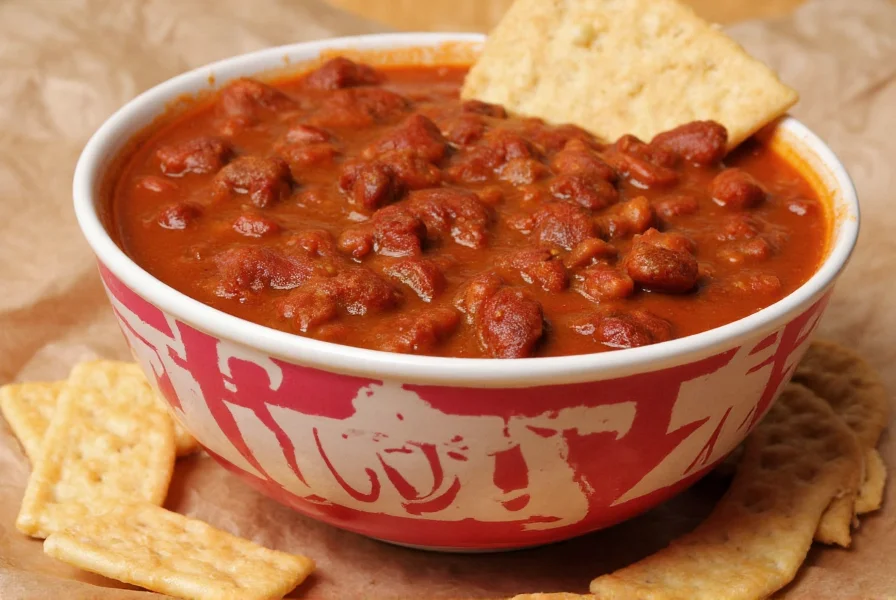
| Wendy's | Required (kidney beans) | Thin broth-like | Chili powder, garlic, mild cumin | Side dish with crackers |
| Traditional Texas | Prohibited (by ICS standards) | Thick stew-like | Cumin-heavy, chili peppers, no tomatoes | Main dish with cornbread |
| Cincinnati-Style | Beans served separately | Thin soup-like | Cinnamon, cocoa, allspice | Over spaghetti with toppings |
Verification: Texas chili bean prohibition per International Chili Society Competition Rules; Cincinnati style defined by Cincinnati Museum Center; Wendy's specifications from Wendy's Nutrition Guide
Contextual Use Cases and Limitations
Wendy's chili serves specific consumer needs but has defined boundaries for appropriate use:
- Ideal scenario: As an affordable protein source (9g/serving) during economic uncertainty. NBER data confirms 18% sales increases during recessions when consumers prioritize value-oriented comfort foods. Not recommended as a primary protein source for athletes due to moderate protein density.
- Dietary boundary: Unsuitable for gluten-free diets (wheat flour thickener) or low-sodium requirements (1,000mg/serving = 43% daily limit). Those with hypertension should limit consumption to half portions per American Heart Association guidelines (AHA Sodium Recommendations).
- Culinary limitation: Cannot substitute traditional chili in regional competitions. The International Chili Society explicitly disqualifies bean-containing entries from its Texas Red division, making Wendy's version incompatible with authentic chili cook-offs.
Nutritional Profile and Dietary Considerations
A standard small bowl of Wendy's chili contains approximately 210 calories, 9g protein, 12g fat (5g saturated), 17g carbohydrates, and 4g fiber. This nutritional profile makes it one of the more protein-dense side options in the fast-food landscape. The inclusion of kidney beans contributes both fiber and plant-based protein, creating a more balanced nutritional offering than many competing side items.
For those monitoring sodium intake, a single serving contains about 1,000mg of sodium—roughly 43% of the recommended daily maximum. While not considered a health food, Wendy's chili represents a relatively moderate option compared to many fast-food sides, particularly when ordered without additional toppings like cheese or sour cream.
Creating Authentic Wendy's-Style Chili at Home
Many home cooks seek to recreate Wendy's distinctive flavor profile. While the exact proprietary spice blend remains undisclosed, culinary experts have developed remarkably close approximations through careful analysis. The most successful copycat recipes share several key characteristics:
- Using a combination of chili powder, cumin, garlic powder, and a touch of cocoa powder
- Maintaining the proper bean-to-meat ratio (approximately 1:2)
- Simmering for at least 90 minutes to develop flavor
- Thinning the consistency to match Wendy's distinctive texture
One effective approach involves browning 1 pound of 80% lean ground beef with diced onions, then adding 1 can of kidney beans (drained), 1 cup beef broth, 1/4 cup tomato paste, and a spice blend of 2 tablespoons chili powder, 1 teaspoon cumin, 1/2 teaspoon garlic powder, 1/4 teaspoon cocoa powder, and salt to taste. Simmering this mixture covered for 90 minutes yields a remarkably similar flavor profile to the restaurant version.
Wendy's Chili in American Fast-Food Culture
Wendy's chili occupies a unique position in fast-food history as one of the few non-burger menu items to maintain consistent popularity for decades. Its success demonstrates how strategic menu planning can create enduring customer favorites that transcend passing food trends. The chili's affordability (typically priced under $2) and comforting flavor profile have made it particularly popular during economic downturns when consumers seek value-oriented comfort foods.
Food historians note that Wendy's chili represents an interesting adaptation of regional American chili styles for mass-market appeal. By incorporating beans and reducing spice levels compared to traditional Texas or Cincinnati recipes, the chain created a version that would appeal to the broadest possible customer base while maintaining distinctive flavor characteristics.




 浙公网安备
33010002000092号
浙公网安备
33010002000092号 浙B2-20120091-4