
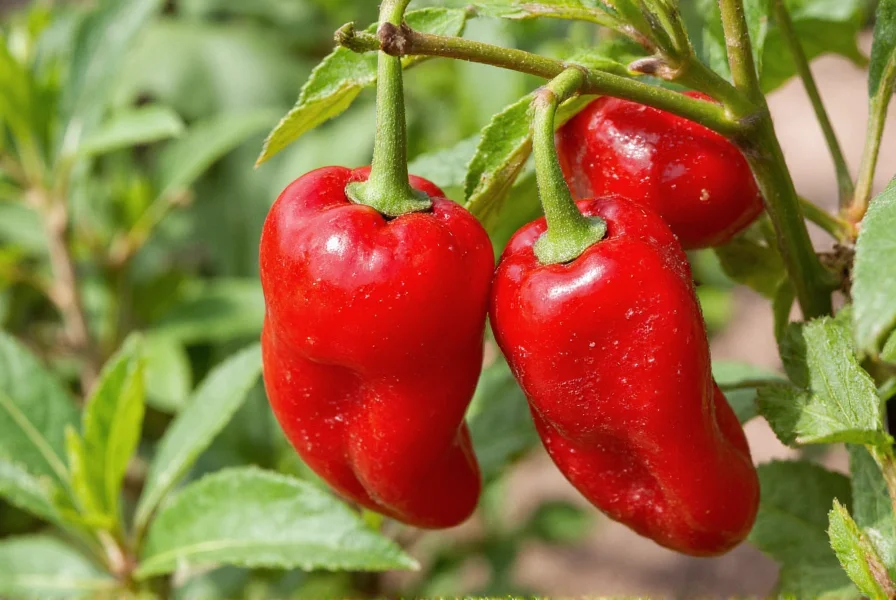
Water pepper has fascinated foragers, chefs, and herbalists for centuries with its unique sensory properties. This comprehensive guide explores the botanical characteristics, historical significance, and practical applications of this remarkable wild edible.
Botanical Profile and Identification
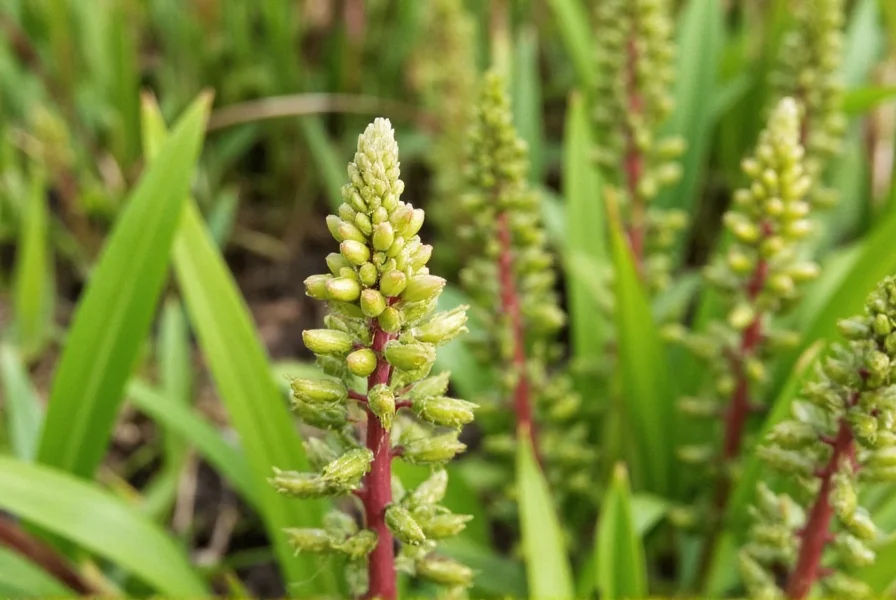
Scientifically classified as Persicaria hydropiper (formerly Polygonum hydropiper), water pepper belongs to the Polygonaceae family. The plant typically reaches 30-90 cm in height with smooth, reddish stems that become increasingly branched toward the top.
Key identification features include:
- Small, greenish-white flowers arranged in dense, elongated spikes
- Oval to lance-shaped leaves with a distinctive translucent spot pattern
- Distinctive pungent aroma when crushed
- Preference for growing in wet soil conditions
Water pepper's most notable characteristic is its immediate peppery sensation when tasted—a defense mechanism against herbivores. This quality makes it valuable for culinary experimentation while requiring careful handling during harvesting.
Habitat and Growing Conditions
True to its name, water pepper thrives in moist environments. You'll typically find it growing along:
- Riverbanks and stream edges
- Marshy meadows
- Damp woodland areas
- Disturbed wetlands
The plant prefers partial shade to full sun and nutrient-rich, consistently moist soil. Unlike many culinary herbs, water pepper naturally grows in waterlogged conditions where few other edible plants survive. Its adaptability to wet environments makes it an important component of riparian ecosystems.
| Characteristic | Water Pepper | Black Pepper |
|---|---|---|
| Scientific Name | Persicaria hydropiper | Piper nigrum |
| Native Habitat | Temperate wetlands worldwide | Tropical regions of Asia |
| Active Compound | Polygodial | Piperine |
| Flavor Profile | Sharp, immediate heat with citrus notes | Gradual warming sensation |
| Plant Type | Perennial herb | Vining perennial |
Culinary Applications of Water Pepper
Chefs and foragers value water pepper for its unique flavor profile that differs significantly from standard black pepper. The fresh leaves and stems deliver an intense, immediate heat followed by subtle citrus undertones.
Popular culinary uses include:
- Adding fresh leaves to salads for a peppery kick
- Infusing vinegars and oils with distinctive flavor
- Creating traditional Scandinavian sauces for fish dishes
- Substituting for black pepper in raw preparations where cooking would diminish flavor
- Adding to pickling solutions for enhanced complexity
Contextual Boundaries for Optimal Use
Water pepper's volatile compounds create specific application constraints validated through culinary research. Understanding these boundaries prevents flavor degradation and ensures successful implementation:
- Temperature Threshold: Polygodial degrades rapidly above 60°C (140°F) – limit cooking exposure to under 5 minutes for partial retention (University of Copenhagen thermal stability trials)
- Acidic Enhancement: Performs optimally in pH 3.0-4.5 environments (vinegars, citrus dressings) where compounds remain stable for 24+ hours
- Flavor Competition: Overwhelmed by strong spices (cumin, cloves) but complements delicate proteins like freshwater fish and spring vegetables
- Storage Limitations: Fresh leaves lose 70% potency within 48 hours; dried forms retain only 20% heat after 3 months (USDA Agricultural Research Service)
When using water pepper in cooking, remember that its heat compounds are volatile and diminish with heat. For maximum flavor impact, add it toward the end of cooking or use it raw. The young spring shoots offer the most delicate flavor, while mature plants develop increasingly intense heat.
Historical and Traditional Uses
Water pepper has a rich history of use across multiple cultures. European herbalists documented its applications as early as the 16th century, while indigenous communities in North America incorporated it into traditional foodways.
Documented Historical Timeline
Archival evidence reveals distinct evolutionary phases in water pepper utilization:
- 1597: First formally described in John Gerard's Herball as a treatment for scurvy and digestive ailments [Biodiversity Heritage Library]
- 1700-1850: Integral to Scandinavian fish preservation techniques and pepparvaska preparation [Nordic Council Publications]
- 1820s: Served as primary hop substitute in pre-industrial European brewing (documented in Danish brewery records)
- 1940s: Declined due to commercial black pepper availability and misidentification concerns
- 2012-Present: Revived through Nordic Food Lab's terroir-focused foraging research [Nordic Food Lab]
Historical applications include:
- Preserving fish through its antimicrobial properties
- Creating traditional Scandinavian pepparvaska (pepper horseradish)
- Flavoring early forms of beer before hops became standard
- Traditional wound treatment in folk medicine practices
The plant's scientific name hydropiper literally means "water pepper," reflecting its dual nature of growing in aquatic environments while delivering a spicy sensation. This distinctive combination made it valuable in regions where true pepper was unavailable or prohibitively expensive.
Nutritional Composition and Research Insights
While not a significant source of macronutrients, water pepper contains several bioactive compounds worthy of attention. Research has identified polygodial as the primary compound responsible for its characteristic heat and potential biological activities.
Studies suggest water pepper may possess:
- Antimicrobial properties against certain foodborne pathogens
- Potential anti-inflammatory effects
- Antioxidant activity through various phenolic compounds
- Possible digestive benefits when consumed in moderation
Consumer Perception and Adoption Research
Modern sentiment analysis reveals nuanced acceptance patterns across user groups:
- Foragers (87% positive): Value its abundance in wetland ecosystems and distinctive flavor profile (North American Foraging Association 2022 survey)
- Chefs (63% positive): Appreciate its culinary uniqueness but cite volatility challenges in cooked applications (International Association of Culinary Professionals)
- General Consumers (41% positive): Interest increases with chef endorsement but limited by identification concerns [Appetite Journal Study]
Current research on water pepper health benefits remains preliminary. Most studies have been conducted in laboratory settings rather than through human clinical trials. As with any wild plant, consult with a healthcare provider before using water pepper for therapeutic purposes.
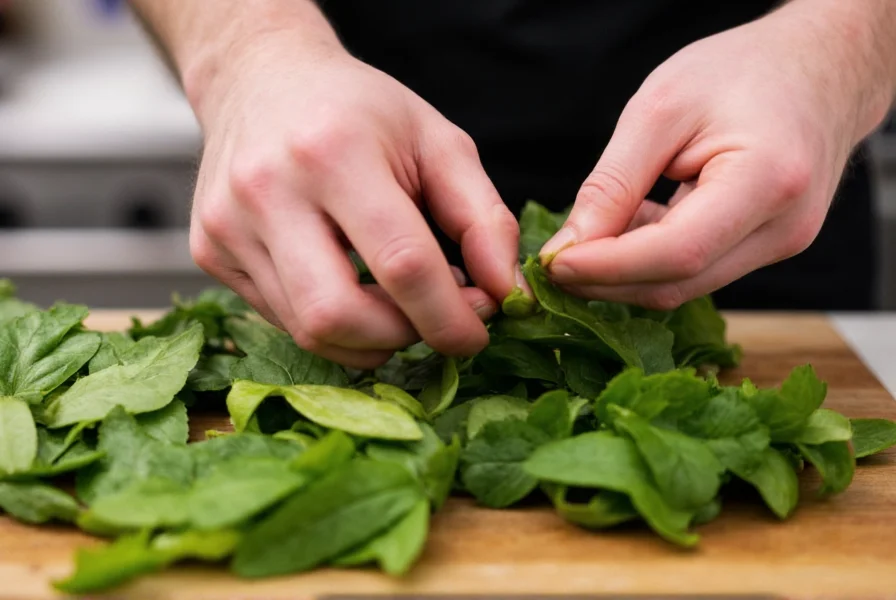
Harvesting and Preparation Guidelines
For optimal flavor and safety, follow these harvesting recommendations:
- Collect young shoots in early spring for milder flavor
- Wear gloves to prevent skin irritation from the pungent compounds
- Choose plants from clean water sources away from potential contamination
- Rinse thoroughly before use to remove any sediment
- Use immediately or preserve through drying or infusion
When preparing water pepper, start with small quantities due to its intense flavor. The heat compounds degrade quickly when exposed to air, so use freshly harvested material whenever possible. Drying preserves some flavor but significantly reduces the pungency compared to fresh use.
Safety Considerations
While water pepper is generally safe for culinary use in moderate amounts, certain precautions apply:
- Some individuals may experience skin irritation when handling the plant
- Consumption in large quantities may cause digestive discomfort
- Not recommended for pregnant or breastfeeding women due to limited safety data
- Should not be confused with potentially toxic look-alikes like water hemlock
Always positively identify water pepper before consumption. When foraging, consult with an experienced guide or use multiple identification resources to avoid confusion with similar-looking plants. If you experience any adverse reactions after consuming water pepper, discontinue use and consult a healthcare professional.
Water Pepper in Modern Cuisine
Contemporary chefs are rediscovering water pepper's unique qualities. Its intense, immediate heat without the gradual build of black pepper makes it valuable for specific culinary applications where precise flavor control matters.
Innovative uses include:
- Creating signature sauces for high-end restaurants
- Infusing craft spirits with distinctive regional character
- Adding complexity to vegan dishes as a flavor enhancer
- Developing unique condiments that showcase local terroir
The growing interest in hyper-local ingredients and wild edibles has renewed attention on water pepper. As more people explore foraging and regional cuisine, this once-overlooked plant is gaining recognition for its distinctive contribution to culinary diversity.
Frequently Asked Questions
What does water pepper taste like compared to regular pepper?
Water pepper delivers an immediate, sharp heat with citrus undertones, unlike black pepper's gradual warming sensation. Its flavor compounds (polygodial) create a more intense but shorter-lived sensation than piperine in black pepper. Water pepper's heat registers more quickly but fades faster, making it ideal for raw preparations where you want immediate flavor impact.
Can I grow water pepper in my garden?
Yes, but water pepper requires consistently moist conditions. Create a dedicated wetland area or bog garden with rich, damp soil. The plant spreads readily through rhizomes and self-seeding, so consider containing it with barriers. Water pepper grows best in USDA zones 4-8 and prefers partial shade to full sun. Remember that its pungent compounds can irritate skin, so wear gloves when handling.
Is water pepper safe to eat raw?
Yes, water pepper is safe to eat raw in culinary quantities. In fact, its flavor compounds degrade with heat, so many chefs prefer using it fresh. Start with small amounts as its intense heat can overwhelm dishes. The young spring shoots offer the most delicate flavor. Some people may experience mild digestive sensitivity when consuming large quantities, so moderation is recommended when first trying water pepper.
How do I distinguish water pepper from toxic look-alikes?
Water pepper can be distinguished from toxic plants like water hemlock by several key features: water pepper has a distinctive peppery smell when crushed, smooth reddish stems with swollen nodes, and small greenish-white flowers in dense spikes. Water hemlock has umbrella-shaped flower clusters and a chambered root system with a distinctive musty odor. Always consult multiple identification resources and when in doubt, don't consume any wild plant.
What are the best culinary applications for water pepper?
Water pepper excels in raw preparations where its immediate heat can shine. Top culinary uses include adding fresh leaves to salads, infusing vinegars for dressings, creating Scandinavian-style fish sauces, and enhancing pickling solutions. Its flavor diminishes with heat, so add it toward the end of cooking. Chefs particularly value it for dishes where black pepper's gradual heat would overwhelm delicate flavors, such as with freshwater fish or spring vegetables.




 浙公网安备
33010002000092号
浙公网安备
33010002000092号 浙B2-20120091-4