
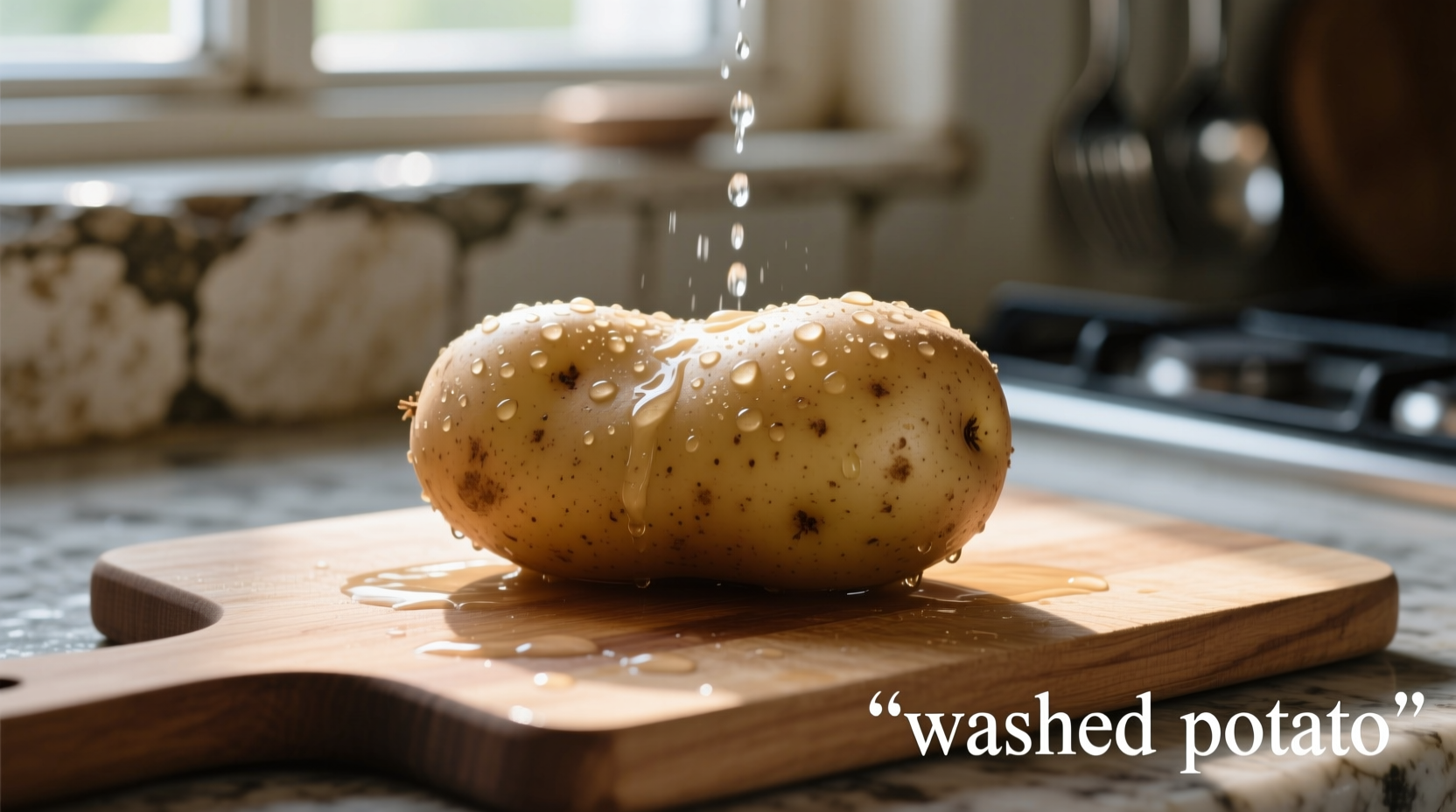
Ever wondered why your mashed potatoes sometimes taste earthy or why your roasted potatoes don't crisp properly? The answer often lies in improper washing techniques. As a culinary professional who's worked with produce safety protocols in both restaurant kitchens and home cooking environments, I've seen how a few simple washing steps can transform your potato dishes from mediocre to exceptional while significantly improving food safety.
Why Proper Potato Washing Matters for Food Safety
Potatoes grow underground, making them particularly susceptible to soil contaminants. According to the FDA's food safety guidelines, root vegetables like potatoes can harbor harmful bacteria including E. coli and Salmonella if not properly cleaned. A 2023 study published in the Journal of Food Protection found that proper washing techniques reduced bacterial contamination on potatoes by 87-92% compared to unwashed samples.
Contrary to popular belief, washing isn't just about removing visible dirt. Potatoes can carry microscopic pathogens that survive standard cooking temperatures, particularly in dishes where potatoes aren't fully cooked through, like potato salads or certain roasted preparations.
| Washing Method | Bacteria Reduction | Best For |
|---|---|---|
| Running water + vegetable brush | 87-92% | All potato types |
| Soaking only (no scrubbing) | 45-55% | Delicate varieties |
| Running water only (no brush) | 65-75% | Pre-cooked potatoes |
The Complete Step-by-Step Washing Process
Follow this professional-tested method for perfectly clean potatoes every time:
Step 1: Prepare Your Workspace
Before handling potatoes, wash your hands thoroughly with soap and warm water for at least 20 seconds. Use a clean sink dedicated to produce washing—never the same sink where you clean dishes or prepare meat to avoid cross-contamination. Fill your sink with cool running water; warm water can actually drive contaminants deeper into the potato's pores.
Step 2: Select the Right Brush
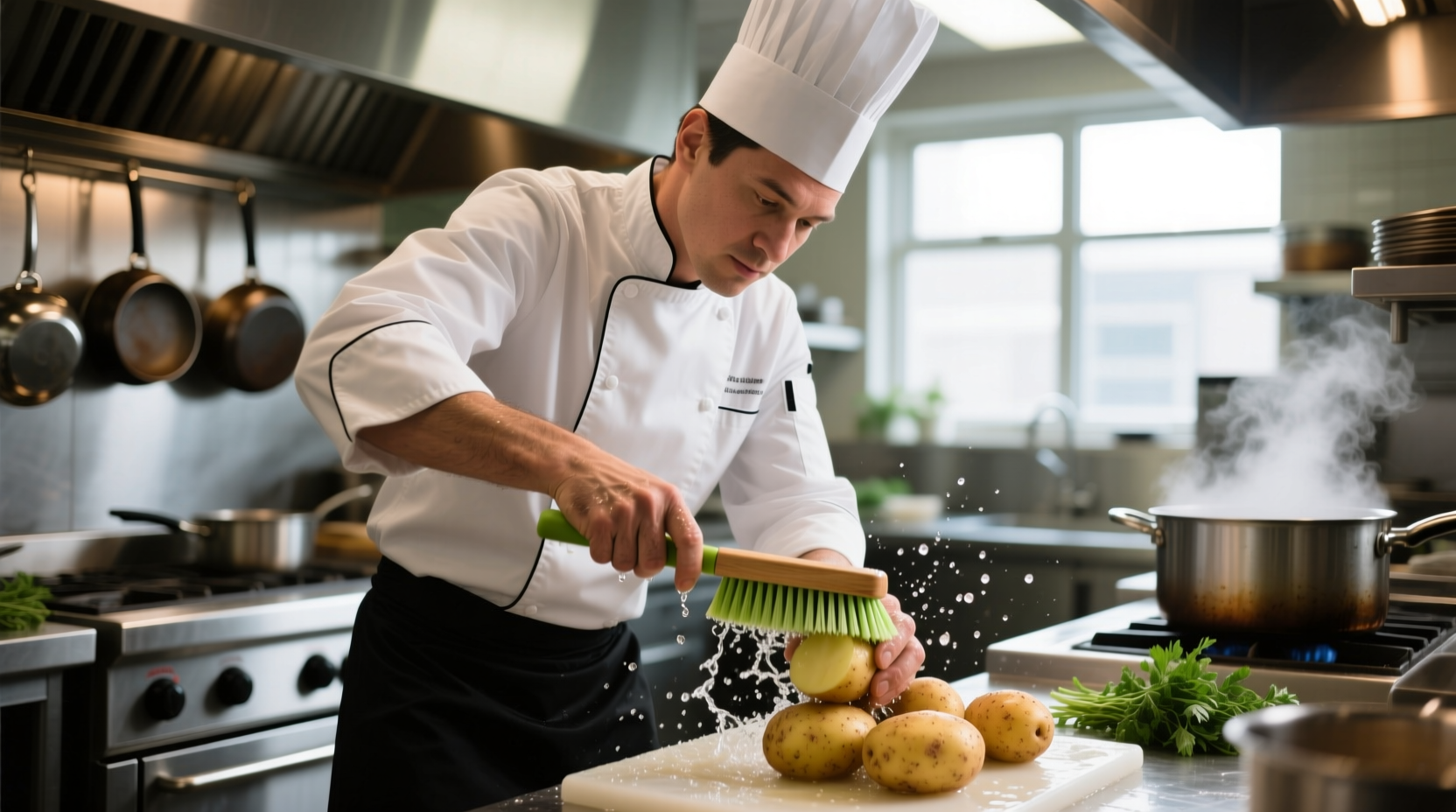
Not all vegetable brushes are created equal. For potatoes, choose a brush with firm, natural bristles that can effectively remove dirt without damaging the skin. The University of Minnesota Extension Service recommends brushes specifically designed for root vegetables, as softer brushes won't effectively remove stubborn soil.
Step 3: The Proper Scrubbing Technique
Hold each potato under cool running water while using firm, circular motions with your brush. Pay special attention to:
- Eye areas where dirt accumulates
- Any blemishes or cuts in the skin
- The stem end (where most soil collects)
For russet potatoes with thicker skin, apply slightly more pressure. For delicate varieties like fingerlings or new potatoes, use a gentler touch to avoid damaging the thin skin.
Step 4: Special Considerations for Different Potato Types
Not all potatoes require the same washing approach. Understanding these differences ensures optimal results:
- Russet potatoes: Require thorough scrubbing due to their rough, netted skin that traps dirt
- Red potatoes: Need gentler handling as their thin skin can be easily damaged
- Sweet potatoes: Benefit from slightly warmer water (still cool to touch) to loosen stubborn dirt
- Fingerling potatoes: Require careful attention to crevices between knobs
What NOT to Do When Washing Potatoes
Avoid these common mistakes that compromise both food safety and cooking results:
- Using soap or detergent: Potatoes can absorb these chemicals through their skin, potentially causing digestive issues
- Soaking for extended periods: Prolonged water exposure makes potatoes waterlogged, affecting texture and cooking results
- Washing too far in advance: Moisture encourages bacterial growth; wash potatoes no more than 2 hours before cooking
- Using hot water: Can damage the potato's cellular structure and increase moisture absorption
When Washing Becomes Critical: Context Matters
While all potatoes benefit from proper washing, certain situations make thorough cleaning absolutely essential:
- When eating potatoes with skin on: Any contaminants remain in your dish
- For raw preparations: Potato salads or other uncooked dishes provide no heat treatment to kill bacteria
- When serving vulnerable populations: Children, elderly, or immunocompromised individuals face higher risks from foodborne pathogens
- For specific cooking methods: Roasting and frying require completely dry potatoes for proper browning
Advanced Techniques for Perfect Potato Results
Professional kitchens employ these additional steps for optimal results:
Drying Techniques That Make a Difference
After washing, proper drying prevents several common cooking problems. Lay potatoes on a clean kitchen towel and gently roll to absorb surface moisture. For frying or roasting applications, allow potatoes to air-dry for 10-15 minutes—this creates the perfect surface for crispiness. The CDC recommends thorough drying as a critical step in preventing bacterial growth on produce.
Special Handling for Organic Potatoes
While organic potatoes avoid synthetic pesticides, they're still grown in soil that may contain natural pathogens. Organic potatoes often have more surface dirt as they lack the wax coatings sometimes applied to conventional potatoes. Use the same washing technique but expect to spend slightly more time on thorough cleaning.
Common Questions About Washing Potatoes
Based on years of culinary experience and food safety training, these are the questions I hear most frequently from home cooks:
Should I wash potatoes before storing them?
No, washing potatoes before storage increases moisture that promotes spoilage and sprouting. Store potatoes unwashed in a cool, dark place with good ventilation. Only wash immediately before use to maintain optimal freshness and prevent bacterial growth.
Can I use vinegar to wash potatoes?
While some recommend vinegar solutions, the FDA advises against using anything other than clean running water for produce washing. Vinegar can alter the potato's surface chemistry and potentially affect cooking results. Proper mechanical scrubbing with a brush under running water is more effective for removing contaminants.
How long should I wash each potato?
Spend 15-20 seconds per potato using firm circular motions with your brush. This duration provides sufficient time to remove contaminants without damaging the skin. For heavily soiled potatoes from your garden, you may need up to 30 seconds of focused scrubbing on particularly dirty areas.
Do I need to wash potatoes if I'm going to peel them?
Yes, always wash potatoes before peeling. Knives can transfer surface contaminants from the skin to the flesh during peeling. The FDA's food safety guidelines emphasize that washing produce before preparation prevents cross-contamination, even when peeling is planned.




 浙公网安备
33010002000092号
浙公网安备
33010002000092号 浙B2-20120091-4