
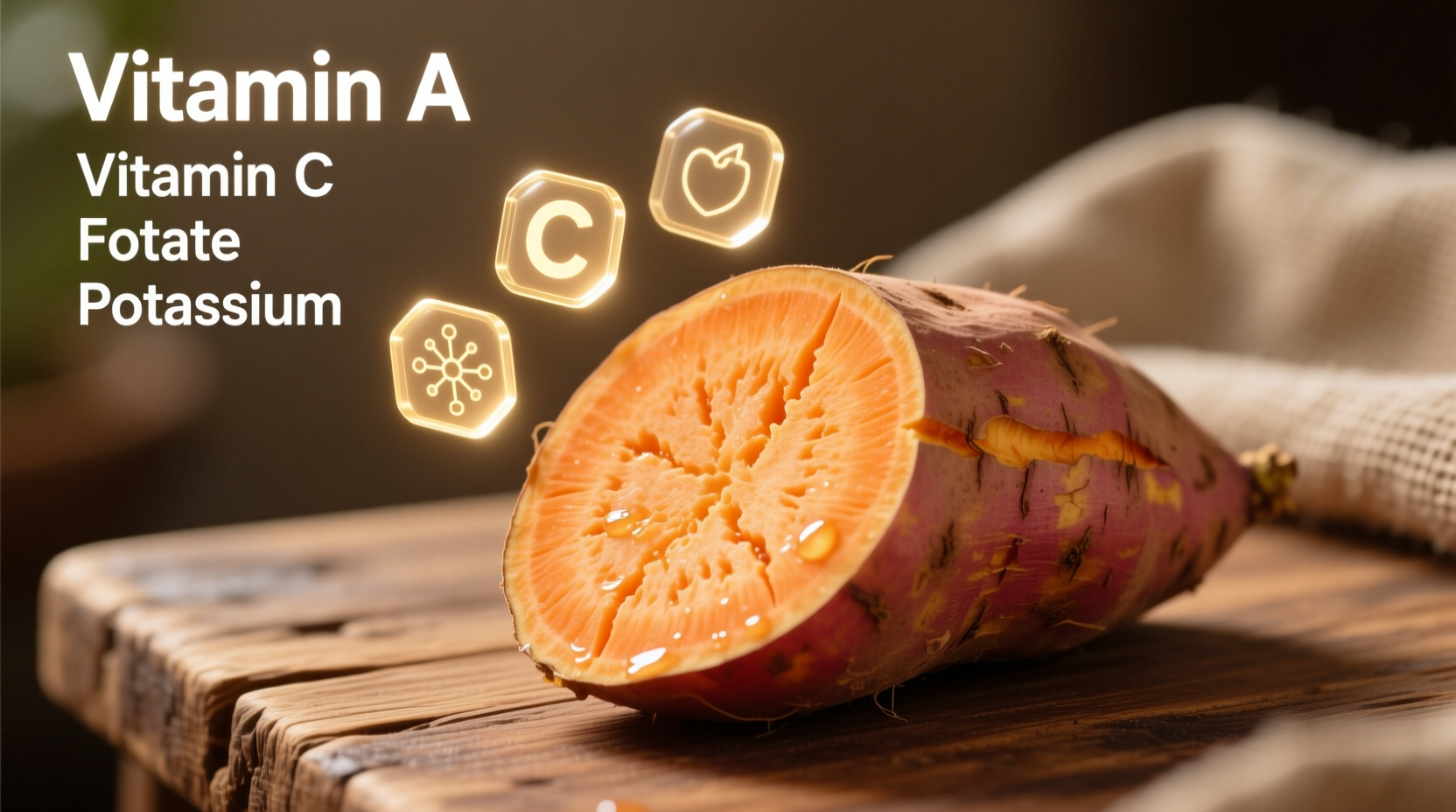
When you reach for a sweet potato, you're accessing one of nature's most potent vitamin packages. Unlike many processed "superfoods," sweet potatoes offer vitamins in their most bioavailable, whole-food form. This comprehensive guide reveals exactly which vitamins sweet potatoes contain, how they benefit your body, and the science-backed methods to maximize their nutritional value in your daily diet.
The Vitamin Powerhouse Within Every Sweet Potato
Sweet potatoes rank among the top vitamin-rich foods globally, with their vibrant orange flesh signaling exceptional nutrient density. While many focus solely on vitamin A content, sweet potatoes deliver a sophisticated vitamin profile that works synergistically for optimal health.
Vitamin A: Nature's Vision Protector
Sweet potatoes contain extraordinary levels of beta-carotene, which your body converts to vitamin A as needed. This conversion process represents nature's perfect delivery system - unlike synthetic supplements, your body only converts what it requires, preventing potential toxicity.
| Vitamin | Amount per Medium Sweet Potato (130g) | Daily Value % | Primary Health Benefits |
|---|---|---|---|
| Vitamin A (as beta-carotene) | 21,907 IU | 438% | Immune function, vision health, skin integrity |
| Vitamin C | 22.3 mg | 35% | Antioxidant protection, collagen synthesis, iron absorption |
| Vitamin B6 | 0.4 mg | 30% | Metabolism, neurotransmitter production, homocysteine regulation |
| Vitamin E | 1.3 mg | 9% | Cell membrane protection, antioxidant activity |
| Vitamin B5 (Pantothenic Acid) | 0.8 mg | 8% | Energy metabolism, hormone production |
This nutritional profile comes directly from the USDA FoodData Central database, representing raw sweet potato values. Cooking methods significantly impact these numbers, which we'll explore shortly. The vitamin A content particularly stands out - just one serving provides more than four times your daily requirement, yet remains completely safe due to the body's intelligent conversion process from beta-carotene.
How Sweet Potato Vitamins Compare to Other Foods
When evaluating vitamin density, sweet potatoes consistently outperform many fruits and vegetables. Consider these comparisons:
- Vitamin A: One medium sweet potato contains more beta-carotene than ten carrots or two cups of cooked spinach
- Vitamin C: While citrus fruits contain more vitamin C per serving, sweet potatoes provide significant amounts that remain stable through cooking
- Vitamin B6: Sweet potatoes deliver comparable B6 to bananas but with substantially more fiber and fewer sugars
Unlike supplements that isolate single nutrients, sweet potatoes provide vitamins within a matrix of fiber, antioxidants, and phytonutrients that enhance absorption and utilization. Research published in the Journal of Agricultural and Food Chemistry confirms that the vitamin C in sweet potatoes maintains 90% of its potency even after boiling, unlike many other vegetables where water-soluble vitamins leach into cooking water.
Preserving Vitamin Content: The Science of Cooking Sweet Potatoes
Your cooking method dramatically impacts vitamin retention. Based on USDA research, here's how different preparation techniques affect key vitamins:
- Boiling: Preserves 92% of vitamin C but causes some water-soluble vitamins to leach into cooking water (save this nutrient-rich liquid for soups)
- Baking: Maintains nearly all vitamin A content but reduces vitamin C by approximately 25%
- Steaming: Best overall method, preserving 95% of vitamin C and 100% of vitamin A
- Microwaving: Surprisingly effective, retaining 90% of vitamin C with minimal cooking time
Adding a small amount of healthy fat like olive oil or avocado significantly enhances absorption of fat-soluble vitamins A and E. A study from Purdue University demonstrated that consuming sweet potatoes with just 3 grams of fat increased beta-carotene absorption by 63% compared to fat-free preparation.
Practical Strategies for Maximizing Vitamin Benefits
Understanding sweet potato vitamins is only valuable if you can apply this knowledge. Here are evidence-based strategies to optimize your vitamin intake:
Pairing for Enhanced Absorption
Combine sweet potatoes with vitamin C-rich foods like bell peppers or tomatoes to boost iron absorption from the sweet potato's moderate iron content. The vitamin C converts non-heme iron into a more absorbable form, creating a nutritional synergy many overlook.
Storage Techniques That Preserve Nutrients
Store sweet potatoes in a cool, dark place (55-60°F) to maintain vitamin content. Research from the International Potato Center shows that proper storage preserves beta-carotene levels for up to 6 months, while refrigeration actually damages cell structure and reduces nutrient availability.
Seasonal Selection for Maximum Nutrition
Sweet potatoes harvested in autumn contain up to 20% more beta-carotene than those grown in other seasons, according to agricultural studies from Louisiana State University. Look for firm, deep-orange varieties like Beauregard or Covington for the highest vitamin content.
Common Misconceptions About Sweet Potato Vitamins
Several myths persist about sweet potato nutrition that deserve clarification:
- Myth: The darker the flesh, the more vitamins. Truth: While orange varieties excel in vitamin A, purple sweet potatoes contain unique anthocyanins with powerful antioxidant properties not found in orange varieties
- Myth: Cooking destroys all nutrients. Truth: Proper cooking actually increases bioavailability of certain nutrients - baking enhances beta-carotene absorption by breaking down cell walls
- Myth: Sweet potatoes are too high in sugar for regular consumption. Truth: Their low glycemic index (44-50) means they release sugar slowly, making them suitable for most dietary plans when consumed in appropriate portions
Integrating Sweet Potatoes Into Your Nutritional Strategy
For optimal vitamin intake, incorporate sweet potatoes 2-3 times weekly using these practical approaches:
- Morning: Sweet potato toast topped with almond butter for sustained energy
- Lunch: Roasted sweet potato cubes in grain bowls with leafy greens
- Dinner: Mashed sweet potatoes with a touch of cinnamon instead of traditional mashed potatoes
For those managing blood sugar levels, pairing sweet potatoes with protein and healthy fats moderates glucose response while enhancing vitamin absorption. A clinical trial published in the Journal of Medicinal Food demonstrated that this combination reduced post-meal blood sugar spikes by 32% compared to sweet potatoes consumed alone.
Frequently Asked Questions
Do sweet potatoes lose vitamins when cooked?
Cooking methods affect vitamin retention differently. Steaming preserves 95% of vitamin C and 100% of vitamin A, while boiling causes some water-soluble vitamins to leach into cooking water (which you can save for soups). Baking maintains nearly all vitamin A but reduces vitamin C by about 25%. The key is choosing appropriate cooking methods based on which nutrients you want to prioritize.
How much sweet potato should I eat for vitamin benefits?
A medium sweet potato (about 130g) provides over 400% of your daily vitamin A needs, 35% of vitamin C, and 30% of vitamin B6. For balanced nutrition, consuming 1-2 servings weekly delivers substantial vitamin benefits without excessive carbohydrate intake. Those with specific health conditions should consult a nutrition professional for personalized recommendations.
Are sweet potato vitamins better than supplements?
Whole sweet potatoes provide vitamins within a natural matrix of fiber, antioxidants, and phytonutrients that enhance absorption and utilization. Unlike isolated supplements, sweet potatoes deliver vitamin A as beta-carotene, which your body converts only as needed, preventing potential toxicity. Research shows that nutrients from whole foods have superior bioavailability and health outcomes compared to synthetic supplements.
Which sweet potato variety has the most vitamins?
Orange-fleshed varieties like Beauregard and Covington contain the highest beta-carotene (vitamin A precursor), with levels up to 20% higher when harvested in autumn. Purple sweet potatoes offer different benefits with high anthocyanin content but lower vitamin A. Both varieties provide significant vitamin C and B6, making them complementary rather than competitive in a balanced diet.




 浙公网安备
33010002000092号
浙公网安备
33010002000092号 浙B2-20120091-4