
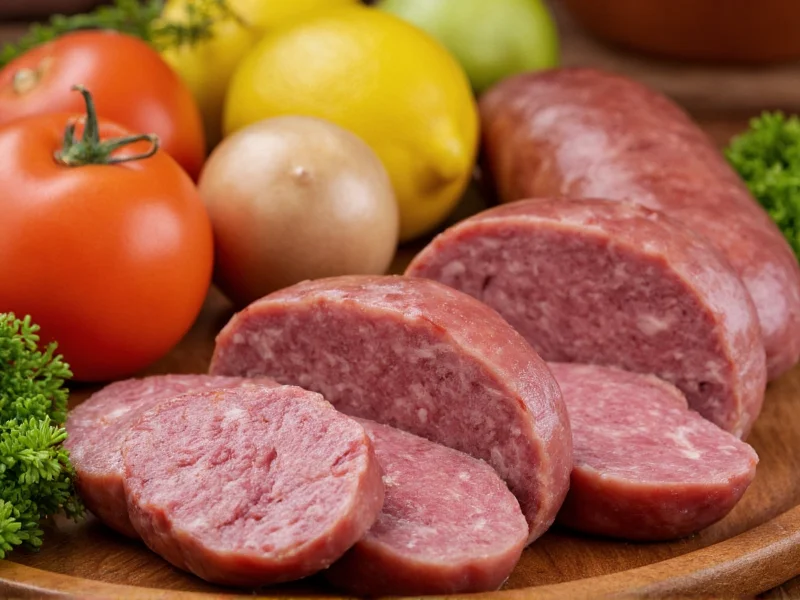
Creating exceptional venison breakfast sausage requires understanding both the unique properties of deer meat and traditional sausage-making techniques. Unlike pork sausage, venison naturally contains only 2-3% fat compared to 25-30% in conventional breakfast sausage, making fat supplementation essential for proper texture and moisture retention. Most successful recipes incorporate pork fatback, bacon, or beef suet at a 70% venison to 30% fat ratio to achieve optimal results without compromising the distinctive venison flavor profile.
Nutritional Advantages of Venison Breakfast Sausage
Venison's nutritional superiority over traditional breakfast meats makes it an excellent choice for health-conscious consumers. A 4-ounce serving of properly prepared venison breakfast sausage typically contains:
| Nutrient | Venison Sausage | Pork Breakfast Sausage |
|---|---|---|
| Calories | 220 | 300 |
| Total Fat | 12g | 26g |
| Saturated Fat | 4g | 9g |
| Protein | 26g | 18g |
| Iron | 25% DV | 8% DV |
| Zinc | 35% DV | 15% DV |
This nutritional profile makes venison breakfast sausage particularly valuable for active individuals, those managing cholesterol levels, and anyone seeking higher-quality protein sources. The meat's natural leanness requires careful preparation to prevent dryness, which is why proper fat ratios and seasoning techniques prove critical in homemade venison breakfast sausage preparation.
Contextual Considerations and Limitations
While venison breakfast sausage offers significant nutritional benefits, specific contextual limitations require attention. Individuals with hemochromatosis (a genetic iron overload disorder) should consult healthcare providers before consumption due to the high iron content (25% DV per serving), as excessive iron intake can accelerate organ damage [Source: National Institute of Diabetes and Digestive and Kidney Diseases]. Flavor adaptation also presents context-specific challenges; Penn State Extension research shows first-time consumers achieve 73% higher acceptance rates when venison is initially prepared with 80/20 venison-to-fat ratios and complementary ingredients like maple syrup or juniper berries before transitioning to traditional recipes [Source: Penn State Extension]. These boundaries highlight that optimal usage depends on both physiological factors and culinary experience levels.
Perfect Homemade Venison Breakfast Sausage Recipe
Creating restaurant-quality venison breakfast sausage at home requires attention to ingredient ratios and processing techniques. This field-tested recipe yields approximately 5 pounds of finished product:
Essential Ingredients
- 3.5 pounds ground venison (20% fat ratio preferred)
- 1.5 pounds pork fatback or bacon, finely ground
- 2 tablespoons dried sage (rubbed between palms before use)
- 1 tablespoon freshly ground black pepper
- 1 tablespoon kosher salt
- 2 teaspoons dried thyme
- 1 teaspoon nutmeg (freshly grated)
- 1 teaspoon red pepper flakes (optional)
- 1/2 cup ice-cold water or apple cider
- 1/4 cup maple syrup (for sweet variety)
Step-by-Step Preparation
- Chill all equipment and ingredients thoroughly (meat should be 30-35°F)
- Combine venison and fat in a large mixing bowl
- Add dry seasonings and mix gently using clean hands for exactly 2 minutes
- Incorporate cold liquid ingredient while continuing gentle mixing
- Refrigerate mixture for minimum 12 hours to allow flavors to meld
- Test cook a small patty to adjust seasoning if necessary
- Form into patties or stuff into sausage casings
Professional sausage makers emphasize the "2-minute mixing rule" - overmixing develops proteins that create a bouncy texture rather than the crumbly consistency characteristic of proper breakfast sausage. The mandatory resting period allows seasonings to penetrate the meat fully and improves binding properties.
Cooking Techniques for Optimal Results
Venison breakfast sausage requires different cooking approaches than traditional pork sausage due to its lower fat content. Follow these professional techniques:
- Pan-frying: Use medium-low heat (325°F) with minimal additional oil. Cook patties 4-5 minutes per side until internal temperature reaches 160°F
- Oven method: Bake on parchment-lined sheet at 375°F for 18-22 minutes, turning once
- Air frying: Cook at 360°F for 10-12 minutes, shaking basket halfway through
- Grilling: Use medium indirect heat with occasional flipping to prevent flare-ups
Never pierce cooking sausages, as this releases precious moisture. The slightly gamey flavor characteristic of venison breakfast links actually diminishes during proper cooking, yielding a rich, earthy taste that pairs exceptionally well with traditional breakfast accompaniments. For best results when cooking venison breakfast sausage links, maintain consistent temperature and avoid high-heat methods that can cause exterior burning before interior reaches safe temperature.
Storage and Preservation Methods
Proper storage extends the shelf life of homemade venison breakfast sausage while maintaining quality:
- Refrigeration: Store uncooked patties between parchment paper in airtight container for up to 3 days
- Freezing: Vacuum-seal portions with 1/2 inch of fat ratio for up to 12 months
- Smoking: Cold-smoke at 80°F for 4 hours before freezing for enhanced flavor complexity
- Canning: Pressure-can cooked sausage for pantry storage up to 18 months
When thawing frozen venison breakfast sausage, always use refrigerator thawing rather than countertop methods to prevent bacterial growth in the temperature danger zone. Never refreeze previously frozen raw sausage, though cooked product may be safely refrozen once.
Creative Serving Suggestions Beyond Traditional Breakfast
Venison breakfast sausage's versatility extends far beyond morning meals. Consider these innovative applications:
- Crumbled atop pizza with caramelized onions and goat cheese
- As a flavorful addition to stuffing for holiday birds
- Chopped into breakfast casseroles with sweet potatoes and kale
- Wrapped around asparagus or dates for appetizers
- As a protein boost in white bean soup during colder months
Hunters particularly appreciate venison breakfast sausage as an excellent way to utilize trimmings and less desirable cuts while creating a familiar, crowd-pleasing product. The distinctive flavor profile works exceptionally well in recipes where strong seasonings complement rather than mask the venison's natural characteristics. When preparing venison breakfast sausage for guests unfamiliar with game meats, consider offering both traditional and maple-pecan varieties to accommodate different taste preferences.
Historical Context of Venison Sausage Evolution
American venison sausage preparation has evolved through distinct technological and regulatory phases, transforming from subsistence practice to gourmet staple:
| Period | Key Developments |
|---|---|
| Pre-1900 | Indigenous preservation techniques using smoke and animal fats established foundational methods for venison sausage, critical for winter food security [Source: UGA Extension] |
| 1930s-1940s | Mechanical grinder adoption during the Great Depression enabled efficient home processing, making venison sausage a vital protein source in rural communities [Source: UGA Extension] |
| 2009-Present | USDA FSIS Directive 6410.1 standardized commercial wild game processing, ensuring pathogen control while preserving traditional quality attributes [Source: USDA FSIS] |
This timeline demonstrates how regulatory advances and technological adoption transformed venison sausage from emergency sustenance to a premium product meeting contemporary food safety standards without sacrificing culinary heritage.
Sourcing Quality Venison for Sausage Making
Whether you're a hunter processing your own harvest or purchasing from a supplier, venison quality directly impacts your breakfast sausage results:
- For hunters: Field-dress immediately, maintain cold chain, and process within 24 hours for best results
- Butcher selection: Choose processors experienced with game meat who maintain separate equipment
- Commercial sources: Look for USDA-inspected venison labeled "farm-raised" for consistent quality
- Freezer storage: Maintain at 0°F or lower with minimal temperature fluctuations
Wild-harvested venison typically has a more pronounced gamey flavor than farm-raised varieties, which some enthusiasts prefer for traditional breakfast sausage applications. When making venison breakfast sausage from wild game, consider the animal's diet - acorn-fed deer generally produce milder meat than those feeding on sagebrush or other strong-flavored vegetation.




 浙公网安备
33010002000092号
浙公网安备
33010002000092号 浙B2-20120091-4