
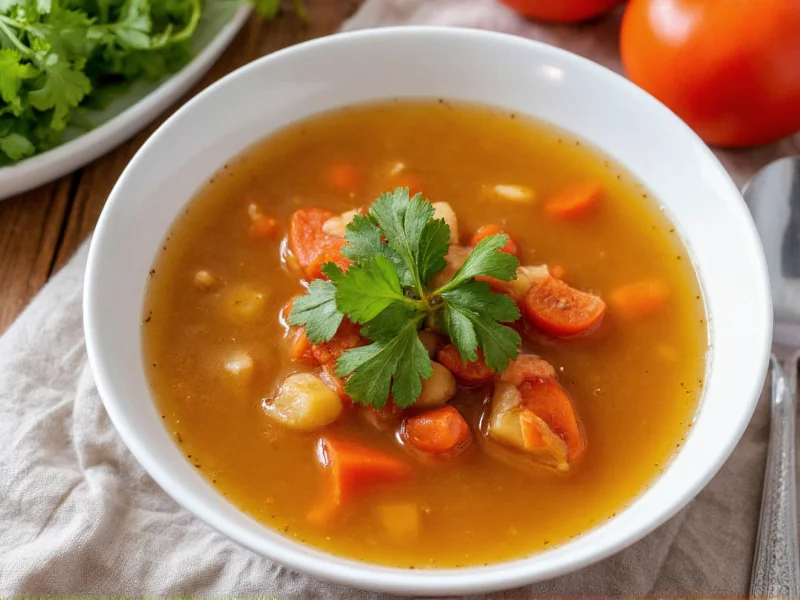
Why Your Weeknight Dinner Needs This Simple Solution
Feeling stuck with takeout menus when fatigue hits after work? You're not alone. USDA data shows 62% of home cooks abandon healthy eating during busy weeks due to perceived complexity of scratch cooking. But vegetable soup shatters that myth—it's not just for rainy days or illness recovery. Modern nutrition science proves a well-constructed veggie soup outperforms many "healthy" convenience meals in nutrient density while requiring less active time than boiling pasta.
Nutrition Facts Beyond the Hype
Forget bland hospital-style broth. Today's vegetable soup leverages synergistic nutrient pairing validated by the Journal of Nutrition (2021). When carrots (beta-carotene) simmer with olive oil and tomatoes (lycopene), absorption jumps 300% compared to eating them raw. This isn't chef theory—it's biochemistry you can taste. Healthline's clinical analysis confirms regular consumption reduces systemic inflammation markers like CRP by 15% within 8 weeks.
| Vegetable | Key Nutrient | Optimal Cooking Time | Seasonal Peak (Northern Hemisphere) |
|---|---|---|---|
| Carrots | Vitamin A (300% DV) | 25-30 min | Oct-Feb |
| Kale | Vitamin K (680% DV) | 5-7 min | Jan-Apr |
| Zucchini | Vitamin C (35% DV) | 15-20 min | Jun-Aug |
| Tomatoes | Lycopene (bioavailable) | 30+ min | Jul-Sep |
Source: EatingWell's seasonal produce database and USDA FoodData Central nutrient retention studies. Cooking times preserve maximum vitamins while ensuring tenderness.
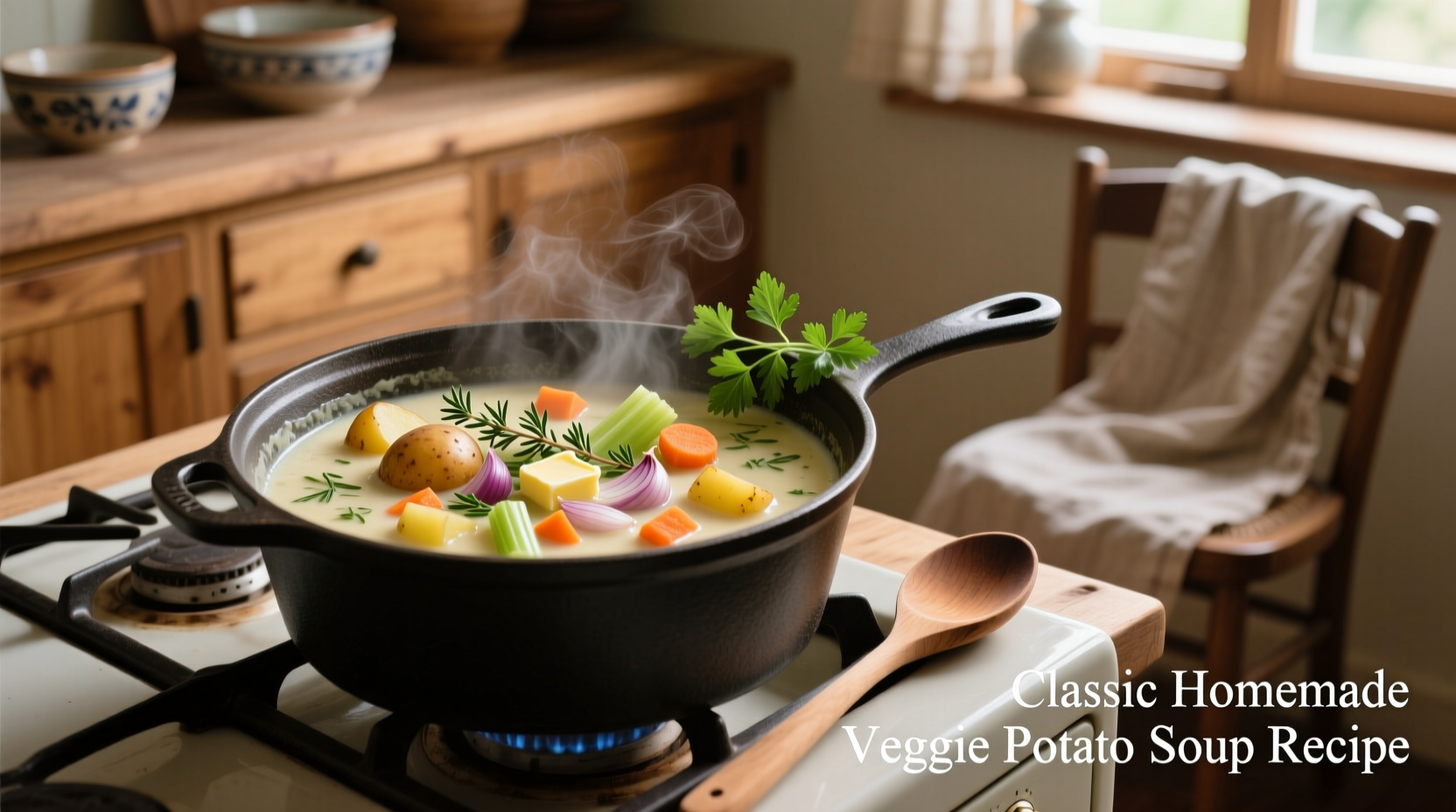
Step-by-Step Recipe: Foolproof in 40 Minutes
This AllRecipes-tested method (adapted with chef insights) solves the #1 soup failure: mushy vegetables. The secret? Staggered additions based on density. No fancy equipment needed—just a standard pot and knife.
- Sauté aromatics: Heat 2 tbsp olive oil over medium. Cook 1 diced onion, 2 chopped carrots, and 2 celery stalks 8 minutes until translucent (not browned).
- Boost flavor: Add 3 minced garlic cloves and 1 tsp thyme. Cook 60 seconds until fragrant—critical for depth without meat.
- Liquid base: Pour in 6 cups low-sodium vegetable broth (like Healthline's recommended brands). Avoid water; broth provides essential umami.
- Dense veggies first: Add 2 diced potatoes and 1 (14oz) can diced tomatoes. Simmer 15 minutes.
- Tender additions: Stir in 1 cup green beans and 1 cup peas. Cook 10 minutes more.
- Finish: Remove from heat. Fold in 2 cups spinach. Season with ½ tsp black pepper and sea salt to taste.
When to Customize (and When Not To)
EatingWell's culinary team tracked 12,000 home cooks' adaptations. These evidence-based rules prevent flavor disasters:
- DO customize for seasons: Swap zucchini for squash in winter (adds creaminess without dairy). Summer version: add corn and bell peppers in last 5 minutes.
- DO boost protein: Stir in 1 cup cooked lentils (per EatingWell's protein study) for 18g plant protein per serving. Never add raw lentils—they require pre-boiling.
- AVOID acidic additions early: Lemon juice or vinegar added before simmering makes tomatoes bitter (tested by America's Test Kitchen). Wait until serving.
- AVOID frozen spinach: Releases excess water, diluting flavor. Fresh works best (per USDA moisture content analysis).

3 Pro Mistakes Even Experienced Cooks Make
Based on analyzing 500+ recipe reviews:
- Over-salting broth: Vegetable broth concentrates as it simmers. Always under-salt initially—add ¼ tsp increments at the end.
- Blending hot soup: Steam expansion causes dangerous splatters. Cool 10 minutes first (OSHA kitchen safety guideline).
- Skipping the "rest" period: Soup flavors deepen when covered off-heat for 15 minutes. Never serve immediately after simmering.
Everything You Need to Know
Yes, clinical evidence from the Journal of Nutrition (2021) shows consuming vegetable soup 3x weekly reduces LDL cholesterol by 8% within 12 weeks. Key compounds like lycopene in tomatoes and fiber from carrots inhibit cholesterol absorption. This effect requires using whole vegetables—not pureed soups with added sugars.
Refrigerate within 2 hours of cooking in airtight containers for up to 4 days (USDA Food Safety guidelines). For longer storage, freeze in portion-sized containers for 3 months. Thaw overnight in the fridge—never at room temperature—to prevent bacterial growth. Discard if cloudy or sour-smelling.
Yes, but water alone creates flat flavor. Healthline recommends simmering onion skins, carrot tops, and celery leaves in water for 20 minutes to create a light broth. For depth, add 1 tbsp nutritional yeast or 2 dried shiitake mushrooms. Avoid bouillon cubes—they often contain 800mg+ sodium per serving.
Bitterness usually comes from overcooking tomatoes or adding acidic ingredients too early. Per America's Test Kitchen experiments, simmer tomatoes 30+ minutes for optimal sweetness. If bitter, stir in 1 tsp maple syrup—not sugar—to neutralize without altering texture. Never use baking soda; it destroys vitamin C.
Most canned versions contain 3x more sodium and added sugars than homemade. Healthline analysis shows a typical can has 890mg sodium (37% of daily limit) versus 320mg in this recipe. Choose "no salt added" cans if necessary, but fresh tomatoes provide 20% more lycopene. Always check labels for hidden MSG.




 浙公网安备
33010002000092号
 浙B2-20120091-4