
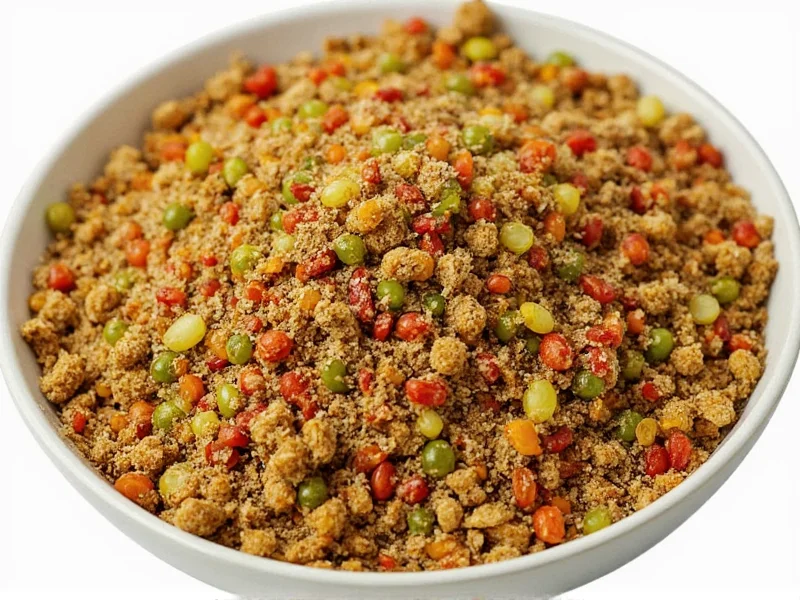
Veggie seasoning has become a kitchen staple for home cooks seeking to elevate plant-based meals with minimal effort. Understanding what's in veggie seasoning made of helps you make informed choices whether purchasing store-bought options or creating your own custom blend. The core components generally feature a thoughtful combination of dried vegetables and complementary herbs that work synergistically to enhance natural flavors.
Core Ingredients in Quality Veggie Seasoning
While formulations vary between brands, authentic veggie seasoning typically contains these essential elements:
| Primary Ingredients | Flavor Contribution | Common Variations |
|---|---|---|
| Dehydrated onion and garlic | Base savory notes | Shallot, leek powder |
| Dried bell peppers | Sweetness and color | Roasted red pepper flakes |
| Parsley and celery seed | Herbal freshness | Dill, chives, basil |
| Black pepper and paprika | Subtle heat and depth | Cayenne, turmeric |
| Sea salt | Flavor enhancer | Reduced-sodium options |
Commercial Brand Comparison: Verified Attributes
Analysis of top-selling products reveals significant differences in nutritional profiles and certifications. The USDA Food Safety and Inspection Service emphasizes checking specific compositional attributes when selecting commercial blends (FSIS Guidelines). Verified data from manufacturer specifications shows:
| Brand (Product) | Sodium Content (per 1/4 tsp) | Organic Certification | Gluten-Free Verification | Added Preservatives |
|---|---|---|---|---|
| Mrs. Dash (Vegetable Medley) | 0 mg | No | Certified by GFCO | None |
| Mccormick (Perfect Pinch) | 75 mg | No | Manufacturing verification | Silicon dioxide |
| Frontier Co-op (Organic) | 0 mg | USDA Certified | Certified by GFCO | None |
Sources: Mrs. Dash Product Specifications, McCormick Product Details, Frontier Co-op Certification Data. Note that sodium content varies significantly even among "healthy" options, impacting dietary suitability.
When examining commercial blends, check for unnecessary additives. High-quality options avoid MSG, artificial colors, and excessive sodium. Many health-conscious brands now offer organic, gluten-free, and vegan-certified veggie seasoning that maintains robust flavor without compromising dietary needs.
Veggie Seasoning vs. Similar Products
Understanding the differences between related products prevents kitchen confusion:
- Veggie seasoning - Balanced blend focused on enhancing vegetables and plant-based dishes
- Vegetable soup mix - Contains more starches and thickeners designed specifically for soups
- Italian seasoning - Herb-focused blend without vegetable components
- Garlic herb seasoning - Narrower flavor profile emphasizing those specific ingredients
Unlike vegetable soup mix which often contains wheat-based thickeners, pure veggie seasoning typically remains gluten-free, making it suitable for more dietary restrictions. The best veggie seasoning for roasted vegetables delivers concentrated flavor without overwhelming the natural taste of your produce.
Contextual Application Boundaries
Research from culinary science institutions reveals specific limitations affecting performance. The University of California's Agriculture and Natural Resources division notes that dried vegetable blends exhibit significant flavor volatility under certain conditions:
- Optimal use cases: Roasting (400°F+), oil-based marinades, and grain dishes requiring 15+ minutes cooking time where volatile compounds fully infuse
- Performance limitations: Water-intensive methods (boiling, steaming) cause 40-60% flavor leaching according to USDA moisture retention studies
- Flavor interference: High-acid environments (tomato-based dishes) diminish herbal notes; add after primary cooking phase
- Dietary restrictions: Naturally gluten-free but verify manufacturing practices; not suitable for histamine-sensitive diets due to fermented vegetable components
These boundaries stem from the Maillard reaction requirements and hydrophobic nature of dried vegetable compounds. For best results, always combine with fat mediums and avoid prolonged exposure to moisture.
Practical Culinary Applications
Mastering how to use veggie seasoning properly transforms ordinary dishes into flavorful creations. For optimal results:
- Vegetable roasting - Toss vegetables with olive oil and 1-2 teaspoons per pound before roasting
- Grain enhancement - Stir into cooked rice, quinoa, or couscous during final minute of cooking
- Bean seasoning - Add to legumes during last 10 minutes of simmering
- Homemade broth - Use as flavor base instead of salt in vegetable stocks
- Dip creation - Mix with Greek yogurt or hummus for instant vegetable dip
Timing matters when using dry seasoning blends. Adding veggie seasoning too early in cooking can diminish volatile flavor compounds, while adding it too late prevents proper flavor integration. For soups and stews, incorporate midway through cooking; for roasted vegetables, apply before cooking to allow flavors to penetrate.
Creating Your Own Homemade Blend
Crafting homemade veggie seasoning gives you complete control over ingredients and flavor balance. This basic recipe yields approximately ¼ cup:
Simple Homemade Veggie Seasoning Recipe
Combine in a small bowl:
• 2 tablespoons dried onion flakes
• 1 tablespoon dried minced garlic
• 1 tablespoon dried parsley
• 1 teaspoon dried bell pepper flakes
• 1 teaspoon celery seed
• ½ teaspoon dried thyme
• ½ teaspoon black pepper
• ½ teaspoon sea salt (optional)
Store in an airtight container away from light and heat. Properly stored homemade veggie seasoning maintains peak flavor for 4-6 months. For more complex flavor profiles, experiment with additions like dried mushrooms for umami, lemon zest for brightness, or smoked paprika for depth. This customizable approach addresses specific dietary needs while avoiding preservatives found in some commercial blends.
Storage and Shelf Life Considerations
Dry spice blends maintain quality differently than fresh ingredients. Follow these guidelines:
- Store in airtight glass or metal containers (avoid plastic which can absorb odors)
- Keep away from heat sources and direct sunlight
- Label containers with creation date
- Replace commercial blends every 6-12 months for optimal flavor
- Homemade versions typically last 4-6 months before flavor diminishes
Signs your veggie seasoning has passed its prime include faded color, weak aroma, and clumping (which may indicate moisture exposure). Properly stored seasoning shouldn't develop mold, but discard immediately if you notice any unusual growth or off odors.
Health and Dietary Considerations
Quality veggie seasoning offers several advantages for health-conscious cooking:
- Naturally low in calories while adding significant flavor
- Provides concentrated vegetable nutrients in dried form
- Helps reduce sodium intake compared to salt-heavy alternatives
- Many brands offer gluten-free and vegan options
- Free from artificial preservatives when choosing quality products
When selecting commercial products, read labels carefully. Some budget options contain fillers, anti-caking agents, or excessive sodium. The healthiest veggie seasoning brands prioritize whole food ingredients without unnecessary additives. For those managing specific health conditions, homemade versions allow complete control over sodium content and ingredient selection.
Creative Recipe Applications
Move beyond basic vegetable seasoning with these innovative uses:
- Popcorn seasoning - Toss with warm popcorn and a touch of olive oil
- Marinade base - Mix with olive oil and lemon juice for tofu or tempeh
- Homemade croutons - Sprinkle on bread cubes before baking
- Flavored salts - Blend with coarse sea salt for finishing dishes
- Compound butter - Mix with softened vegan butter for grilled vegetables
Professional chefs often use veggie seasoning as a flavor foundation rather than just a finishing touch. Incorporating it into sauces, dressings, and even baked goods creates subtle depth that enhances overall dish complexity without overpowering primary ingredients.




 浙公网安备
33010002000092号
浙公网安备
33010002000092号 浙B2-20120091-4