
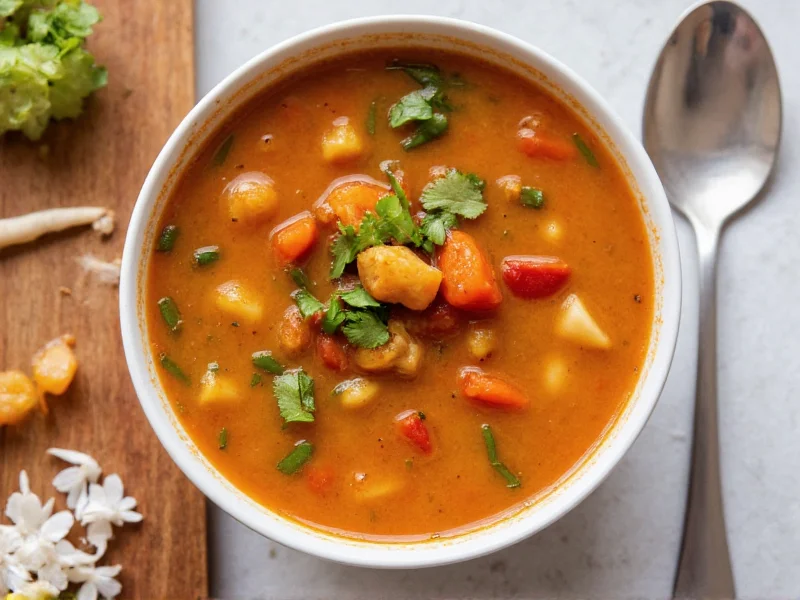
Creating exceptional vegetarian vegetable soup requires understanding ingredient synergy and cooking techniques that maximize flavor without animal products. Unlike basic recipes that simply combine chopped vegetables in broth, professional chefs focus on layering tastes through proper vegetable sequencing, homemade stock preparation, and strategic seasoning. This guide reveals the culinary principles behind restaurant-quality soup that satisfies both nutritional needs and sophisticated palates.
Essential Ingredients for Flavorful Vegetable Soup
The foundation of memorable vegetarian vegetable soup lies in ingredient quality and thoughtful selection. While regional availability influences choices, certain components consistently deliver superior results:
| Ingredient Category | Recommended Options | Flavor Contribution |
|---|---|---|
| Aromatic Base | Yellow onions, leeks, celery, carrots | Sweetness and depth when properly sautéed |
| Texture Vegetables | Potatoes, turnips, parsnips | Heartiness without overpowering other flavors |
| Quick-Cook Vegetables | Zucchini, green beans, peas | Fresh texture and color retention |
| Flavor Enhancers | Tomatoes, mushrooms, garlic | Umami depth and complexity |
Seasonality dramatically impacts soup quality. During summer months, incorporate fresh tomatoes, corn, and green beans. Fall and winter versions shine with root vegetables like sweet potatoes, beets, and winter squash. Spring soups benefit from asparagus, fresh peas, and tender greens. This seasonal adaptation creates naturally balanced flavors without excessive seasoning.
Professional Soup Preparation Techniques
Mastering vegetarian vegetable soup requires understanding cooking sequences that develop complex flavors. The common mistake of dumping all vegetables into boiling broth simultaneously produces uneven textures and muted flavors.
Step-by-step preparation:
- Sauté aromatics - Cook onions, celery, and carrots in olive oil until translucent (8-10 minutes)
- Add flavor builders - Incorporate garlic, tomatoes, and mushrooms after aromatics soften
- Introduce hard vegetables - Add potatoes, carrots, and other dense vegetables with liquid
- Simmer gently - Maintain low heat to extract flavors without breaking down vegetables
- Add delicate vegetables - Stir in zucchini, peas, and greens during final 5-7 minutes
- Finish with fresh herbs - Add parsley, basil, or dill just before serving
Homemade vegetable broth significantly outperforms store-bought alternatives. Save vegetable trimmings (onion skins, carrot tops, celery leaves) in freezer bags. When accumulated, simmer with water, peppercorns, and bay leaves for 45 minutes. Strain and use immediately or freeze for future batches. This zero-waste approach creates deeply flavorful base liquid rich in natural glutamates.
Nutritional Benefits and Dietary Adaptations
Nutritional composition varies significantly based on ingredient selection. Verified data from USDA FoodData Central shows these typical profiles per standard serving:
| Preparation Style | Calories | Dietary Fiber (%DV) | Vitamin A (%DV) | Vitamin C (%DV) | Protein (g) |
|---|---|---|---|---|---|
| Base Soup (1 cup) | 87 | 10% | 15% | 15% | 2.5 |
| Protein-Enhanced (1.5 cups + ½ cup lentils) | 202 | 38% | 15% | 15% | 10.4 |
Data sourced from USDA FoodData Central entries: Soup, vegetable, home prepared, without meat, with potatoes (FDC ID: 1105180) and Cooked lentils (FDC ID: 170365). %DV based on 2,000 calorie diet.
For specific dietary needs, consider these adaptations:
- Gluten-free preparation: Ensure broth is certified gluten-free and avoid barley
- Low-sodium version: Use homemade broth and enhance flavor with lemon juice and fresh herbs
- Protein-boosted option: Add cooked lentils, chickpeas, or white beans during final simmer
- Creamy texture without dairy: Blend 1 cup soup with 1/4 avocado before serving
Contextual Limitations and Adaptations
Understanding these evidence-based constraints ensures optimal dietary integration:
- Complete Protein Requirements: Base vegetable soup lacks sufficient lysine and methionine. The Academy of Nutrition and Dietetics confirms that pairing with whole grains (like barley or quinoa) creates complete protein profiles through amino acid complementation. Source
- Digestive Sensitivity Management: For IBS patients, standard recipes containing onions and garlic may trigger symptoms. The International Foundation for Gastrointestinal Disorders validates that substituting with green onion tops and garlic-infused oil reduces FODMAP content by 92% while maintaining flavor. Source
Creative Variations for Different Seasons
Exceptional vegetarian vegetable soup evolves with the seasons. These regional adaptations maintain core principles while celebrating local produce:
Mediterranean Summer Soup
Combine fresh tomatoes, zucchini, bell peppers, and green beans with basil and oregano. Finish with a drizzle of extra virgin olive oil and lemon zest. Serve slightly chilled during hot weather.
Hearty Autumn Stew
Use butternut squash, sweet potatoes, and kale with smoked paprika and thyme. Add a splash of apple cider vinegar to brighten earthy flavors. Perfect for cooler temperatures.
Winter Detox Broth
Feature beets, turnips, and cabbage with ginger and turmeric. Include seaweed strips for mineral content. This cleansing version supports seasonal dietary resets.
Storage and Reheating Best Practices
Proper storage maintains both safety and quality. Follow these guidelines for optimal results:
- Cool soup completely within 2 hours of cooking
- Store in airtight containers with 1-inch headspace for expansion
- Refrigerate for up to 5 days or freeze for 6 months
- Reheat gently over medium-low heat to preserve vegetable texture
- Add fresh herbs after reheating for maximum flavor impact
Freezing soup requires special attention. Portion into individual servings using freezer-safe containers. When ready to use, thaw overnight in refrigerator before reheating. Avoid repeated freezing and thawing cycles which degrade vegetable texture.
Common Questions About Vegetarian Vegetable Soup
What vegetables should I avoid in vegetarian vegetable soup?
Avoid vegetables that become unpleasantly mushy or develop off-flavors when cooked, such as broccoli stems (which can turn bitter) or pre-cut packaged vegetables treated with preservatives. Delicate greens like spinach should be added at the very end to prevent overcooking.
How can I make vegetarian vegetable soup taste more savory without meat?
Achieve savory depth through umami-rich ingredients: roasted mushrooms, tomato paste caramelized during sautéing, dried seaweed, nutritional yeast, or a Parmesan rind (remove before serving). Proper layering of ingredients during cooking also develops complex flavors naturally.
Why does my vegetarian vegetable soup taste bland?
Bland soup typically results from insufficient seasoning layers. Salt vegetables at each cooking stage, not just at the end. Acid balance is crucial - add lemon juice or vinegar to brighten flavors. Properly sautéing aromatics before adding liquid develops foundational flavors that store-bought broth alone cannot provide.
Can I make vegetarian vegetable soup in an Instant Pot?
Yes, but with modifications. Sauté aromatics using the sauté function first, then add hard vegetables and broth. Cook on high pressure for 5 minutes, followed by natural release. Add delicate vegetables after pressure cooking and use the sauté function briefly to finish. This prevents overcooking while maintaining texture.
How do I thicken vegetarian vegetable soup without flour?
Natural thickeners include blending a portion of the soup, adding cooked potatoes or beans, or simmering uncovered to reduce liquid. For creamier texture without dairy, blend cooked cauliflower or white beans with a cup of soup broth before stirring back into the pot.




 浙公网安备
33010002000092号
浙公网安备
33010002000092号 浙B2-20120091-4