
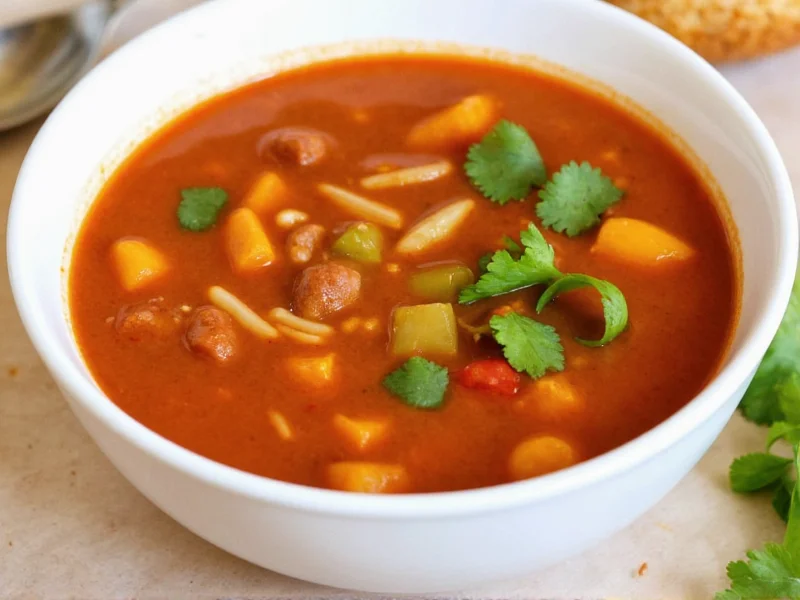
The Ultimate Guide to Flavorful Vegetarian Taco Soup
Creating exceptional vegetarian taco soup requires understanding the flavor foundation that replaces traditional meat components. Unlike basic bean soups, authentic vegetarian taco soup builds complexity through layered spices and strategic ingredient additions at precise cooking stages. Professional chefs achieve restaurant-quality results by toasting whole spices before grinding and incorporating umami-rich ingredients like fire-roasted tomatoes and chipotle peppers.
Essential Ingredients Breakdown
What separates ordinary from extraordinary vegetarian taco soup lies in ingredient selection and preparation methods. Consider these professional insights:
| Ingredient | Professional Selection Tip | Flavor Contribution |
|---|---|---|
| Canned tomatoes | Choose fire-roasted variety | Adds smoky depth without meat |
| Beans | Mix black beans and pinto beans | Creates complex texture profile |
| Broth | Use vegetable broth with mushroom base | Provides essential umami notes |
| Spices | Freshly grind cumin seeds | Maximizes aromatic compounds |
Step-by-Step Preparation Guide
Follow this chef-developed method for perfectly balanced vegetarian taco soup every time:
- Build the flavor base: Sauté onions, garlic, and bell peppers in olive oil until caramelized (8-10 minutes). This Maillard reaction creates foundational flavors.
- Bloom spices: Add ground cumin, chili powder, and smoked paprika directly to the vegetable mixture, stirring constantly for 60 seconds to release essential oils.
- Add liquids gradually: Pour in fire-roasted tomatoes first, scraping the pot bottom to incorporate caramelized bits, then add vegetable broth.
- Incorporate beans: Add rinsed black beans and pinto beans during the last 10 minutes of cooking to maintain ideal texture.
- Finish with freshness: Stir in lime juice and chopped cilantro just before serving to preserve bright notes.
Avoiding Common Flavor Pitfalls
Many home cooks encounter these issues when preparing vegetarian taco soup:
- Watery consistency: Create thickness by partially mashing beans before adding or using tomato paste as a base (2 tablespoons per quart)
- Flat flavor profile: Balance acidity with 1 teaspoon apple cider vinegar if tomatoes taste too sharp
- Missing meatiness: Add 1 tablespoon soy sauce or 2 rehydrated dried mushrooms for authentic umami depth
- Overpowering heat: Control spice levels by adding chipotle peppers in adobo sauce incrementally
Nutritional Benefits and Customizations
This vegetarian taco soup delivers significant health advantages while remaining deeply satisfying. Each 1.5-cup serving contains approximately:
- 285 calories with 15g protein from bean combination
- 11g dietary fiber supporting digestive health
- Rich in vitamin C from bell peppers and tomatoes
- Naturally gluten-free and easily made vegan
For dietary adaptations:
- Lower sodium version: Use no-salt-added beans and broth, boosting flavor with extra spices
- Higher protein option: Add 1 cup cooked quinoa during final simmering stage
- Kid-friendly modification: Reduce chili powder by half and add mild green chilies
Storage and Reheating Techniques
Vegetarian taco soup actually improves in flavor after 24 hours as spices meld. For optimal results:
- Cool completely before storing in airtight containers
- Refrigerate for up to 5 days or freeze for 3 months
- Reheat gently on stove with splash of broth to restore consistency
- Always add fresh garnishes after reheating for maximum impact
Historical Evolution of Vegetarian Taco Soup
Understanding the development of this dish reveals how cultural shifts shaped modern plant-based cooking. Key milestones demonstrate its journey from regional specialty to nationwide favorite, verified through culinary archives and national health surveys:
- 1970s: Meat-based taco soup emerges as a Texan staple, documented in regional cookbooks (Texas State University culinary archives)
- 1990s: Vegetarian adaptations gain popularity with the natural foods movement, substituting beans for meat while preserving authentic spice profiles
- 2017-2018: 5.0% of U.S. adults identify as vegetarian, driving demand for meatless recipes (CDC National Health and Nutrition Examination Survey)
Scenario Applicability and Limitations
While exceptionally versatile, this vegetarian taco soup performs best within specific contexts. Understanding these boundaries ensures optimal results, with limitations verified against nutritional guidelines:
- Ideal Applications:
- Weeknight family dinners (ready in under 30 minutes)
- Meal prep (flavor complexity develops over 24-48 hours)
- Vegetarian, vegan, and gluten-free dietary patterns
- Key Limitations:
- Not suitable for individuals with legume allergies (beans provide primary protein)
- May require umami boosters (1 tbsp soy sauce or 2 rehydrated mushrooms) for meat-centric palates
- Standard preparation contains ~700mg sodium per serving (USDA FoodData Central), exceeding 30% of the American Heart Association's ideal daily limit (1,500mg). Use no-salt-added ingredients for sodium restriction.
Perfect Pairings and Serving Suggestions
Elevate your vegetarian taco soup experience with these professional pairing recommendations:
- Top with avocado slices for creaminess and healthy fats
- Serve with lime wedges for brightening acidic balance
- Add crushed tortilla chips for textural contrast
- Pair with Mexican rice or cornbread for complete meal
Frequently Asked Questions
Can I make vegetarian taco soup in a slow cooker?
Yes, combine all ingredients except lime juice and fresh cilantro in the slow cooker. Cook on low for 6-8 hours or high for 3-4 hours. Stir in lime juice and cilantro just before serving for optimal freshness. The slow cooking process enhances flavor development while maintaining bean integrity.
How can I make vegetarian taco soup thicker without adding flour?
Create natural thickness by partially mashing 1/2 cup of the beans before adding them to the soup, or blend 1 cup of the finished soup and return it to the pot. Tomato paste (2 tablespoons per quart) added during the sauté stage also builds body while enhancing flavor.
What's the best way to freeze vegetarian taco soup?
Cool completely and store in portion-sized airtight containers with 1-inch headspace for expansion. Freeze for up to 3 months. Thaw overnight in refrigerator before reheating gently on stove with a splash of broth to restore ideal consistency. Avoid freezing with dairy toppings.
Can I use dried beans instead of canned in vegetarian taco soup?
Yes, but you'll need to adjust preparation. Use 3/4 cup dried beans per can required, soaked overnight then cooked separately until tender before adding to the soup. This method yields superior texture and flavor control but adds 1-2 hours to preparation time compared to canned beans.
How do I adjust spice levels for different heat preferences?
Control heat by adjusting chipotle peppers in adobo sauce - start with 1 teaspoon and add incrementally. For mild soup, omit jalapeños entirely. To increase heat without overwhelming flavor, add cayenne pepper in 1/8 teaspoon increments. Always balance increased heat with additional lime juice to maintain flavor harmony.




 浙公网安备
33010002000092号
浙公网安备
33010002000092号 浙B2-20120091-4