
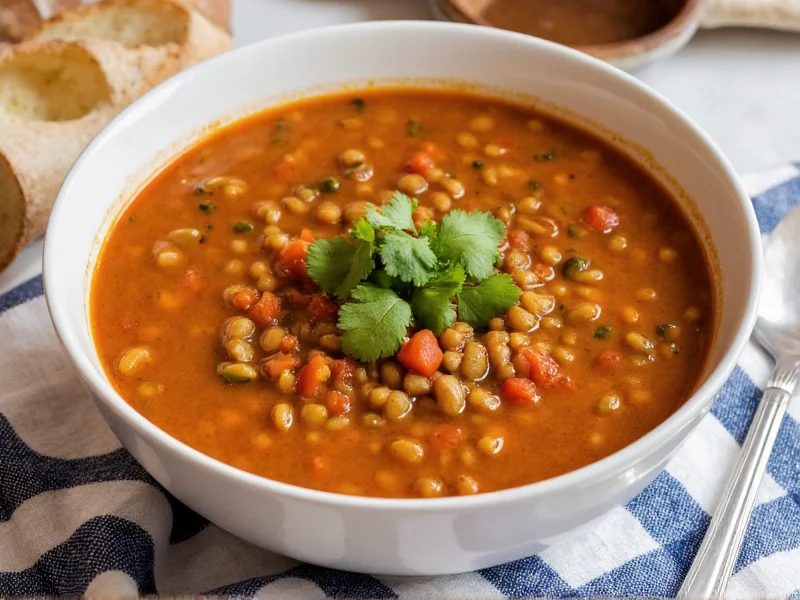
Creating the perfect vegetarian lentil soup from scratch begins with selecting quality ingredients that build complex flavors through layering. Unlike canned alternatives, homemade versions allow complete control over sodium content and ingredient quality. This foundational recipe serves as the perfect base for countless variations while maintaining its status as one of the most nutritionally dense comfort foods available.
Essential Ingredients and Their Purpose
The magic of easy vegetarian lentil soup recipe lies in the synergy between simple components. Each ingredient serves a specific purpose in building flavor and texture:
- Brown or green lentils - Maintain shape during cooking better than red lentils
- Mirepoix (onion, carrot, celery) - Creates flavor foundation through caramelization
- Garlic and tomato paste - Adds umami depth when properly sautéed
- Vegetable broth - Choose low-sodium for better flavor control
- Dried herbs - Thyme and bay leaves infuse throughout cooking
- Acid component - Lemon juice or vinegar added at the end brightens flavors
Step-by-Step Preparation Guide
Follow these professional techniques for restaurant-quality results every time you make hearty vegetarian soup for cold weather:
- Sauté mirepoix in olive oil until golden (10-12 minutes) - don't rush this step
- Add minced garlic and tomato paste, cooking 2 minutes until fragrant
- Stir in rinsed lentils, broth, and herbs
- Bring to boil, then reduce heat to maintain gentle simmer
- Cover and cook 35-45 minutes until lentils are tender but not mushy
- Remove bay leaves, stir in acid component and fresh herbs
- Adjust seasoning with salt, pepper, and additional spices as desired
Nutritional Benefits of Lentil Soup
This high protein vegetarian soup offers remarkable nutritional density. A single serving provides significant percentages of your daily requirements for essential nutrients:
| Nutrient | Amount per Serving | %DV |
|---|---|---|
| Calories | 240 | 12% |
| Protein | 18g | 36% |
| Fiber | 15g | 54% |
| Iron | 6.7mg | 37% |
| Folate | 356mcg | 89% |
These nutritional properties make nutritious lentil soup for weight loss particularly valuable. The high fiber and protein content creates lasting satiety while keeping calorie density moderate. Lentils' low glycemic index helps maintain stable blood sugar levels, making this soup suitable for diabetes management.
Popular Variations to Explore
Once you've mastered the basic gluten free lentil soup recipe, experiment with these globally inspired variations:
Mediterranean Lentil Soup
Add 1 teaspoon cumin, ½ teaspoon smoked paprika, and chopped kale during the last 10 minutes of cooking. Finish with a dollop of tzatziki and fresh dill. This mediterranean lentil soup variation brings bright, herbaceous notes to the traditional recipe.
Spicy Curry Lentil Soup
Stir in 1-2 tablespoons curry powder and ½ cup coconut milk during the last 15 minutes of cooking. Top with cilantro and a squeeze of lime. The coconut milk adds creaminess while balancing the curry's heat.
French Provincial Lentil Soup
Add diced leeks with the mirepoix and include a small piece of kombu seaweed while simmering. Remove kombu before serving. This variation creates a more delicate flavor profile with subtle oceanic notes that enhance the natural umami.
Historical Evolution of Lentil Soup
Lentil soup's journey through human civilization demonstrates remarkable continuity as a nutritional staple. Modern research validates what ancient cultures intuitively understood about this versatile legume:
- 8,000-11,000 years ago: Lentils were among the first domesticated crops in the Near East, forming the foundation of early agricultural societies (National Center for Biotechnology Information, 2017).
- Ancient civilizations: Lentils became dietary staples across Egypt, Greece, and Rome, commonly prepared as soups and stews that sustained populations through harsh winters and lean seasons (National Center for Biotechnology Information, 2017).
- 2020: Global production reached 6.4 million tonnes, with Canada and India as leading producers - validating lentils' enduring role in global food security (Food and Agriculture Organization of the United Nations, 2022).
Contextual Applications and Limitations
Understanding when vegetarian lentil soup best serves dietary goals - and when modifications are necessary - maximizes its health benefits while preventing potential issues:
Ideal Applications
- Weight Management Programs: Clinical research shows legume consumption correlates with reduced body weight and waist circumference. The high fiber and protein content (15g and 18g per serving) creates prolonged satiety, reducing overall calorie intake (National Institutes of Health, 2014).
- Diabetes Management: With a low glycemic index (GI=32), lentils help maintain stable blood glucose levels. The American Diabetes Association specifically recommends legume inclusion in diabetic meal plans due to their slow-digesting carbohydrates.
- Budget-Conscious Meal Planning: Dried lentils cost approximately $1.50 per pound, yielding 6-8 servings of soup - making it one of the most cost-effective protein sources at approximately $0.25 per serving.
Important Limitations
- Gout Management: Lentils are classified as moderate-purine foods by the Arthritis Foundation. While not strictly prohibited, gout sufferers should monitor individual tolerance and consult healthcare providers regarding portion sizes during active flare-ups.
- Low-FODMAP Diets: A standard serving (1 cup cooked) exceeds Monash University's low-FODMAP threshold. Those managing IBS should restrict portions to 1/4 cup cooked lentils per meal to avoid digestive discomfort.
- Iron Absorption Optimization: The non-heme iron in lentils (6.7mg/serving) has limited bioavailability. Pairing with vitamin C-rich ingredients (like the lemon juice in this recipe) increases absorption by up to sixfold (National Institutes of Health, 2021).
Storage and Reheating Tips
Proper storage maximizes both safety and quality of your vegetarian lentil soup from scratch:
- Cool completely before storing (within 2 hours of cooking)
- Refrigerate for up to 5 days in airtight containers
- Freeze for up to 3 months in portion-sized containers
- Reheat gently on stove with small amount of water or broth to restore consistency
- Always bring to 165°F (74°C) before consuming
Lentil soup actually improves in flavor after 24 hours as the ingredients fully meld. This makes it an exceptional candidate for meal prep vegetarian soup that tastes even better on subsequent days.
Troubleshooting Common Issues
Even experienced cooks encounter challenges with best practices for vegetarian lentil soup. Here's how to solve frequent problems:
Soup Too Thin
Create a slurry by mixing 2 tablespoons cornstarch with ¼ cup cold water. Whisk into simmering soup until desired thickness achieved. Alternatively, blend 1 cup of soup and return to pot.
Soup Too Thick
Gradually add additional broth or water while heating, stirring constantly until proper consistency reached. Remember that soup will continue thickening as it cools.
Lentils Remain Hard
Old lentils often resist softening. Add ¼ teaspoon baking soda to cooking liquid to help break down fibers. Ensure you're not adding acidic ingredients too early, as they prevent softening.
Flavor Lacks Depth
Build layers of flavor by properly caramelizing vegetables first. Add umami boosters like tomato paste, soy sauce, or nutritional yeast. Finish with acid to brighten flat flavors.
Why This Soup Belongs in Your Regular Rotation
Beyond its nutritional benefits of lentil soup, this dish offers remarkable versatility across seasons and occasions. The combination of affordability, nutritional density, and adaptability makes it a kitchen staple worth mastering. Whether you're cooking for one or feeding a crowd, vegetarian lentil soup delivers consistent results with minimal effort once you understand the fundamental techniques.
Unlike many comfort foods, this high protein vegetarian soup supports health goals while satisfying cravings. The complex carbohydrates provide sustained energy, while the fiber content promotes digestive health. For those following plant-based diets, it serves as an excellent protein source that complements other plant foods to create complete amino acid profiles.
Frequently Asked Questions
How do you thicken vegetarian lentil soup naturally?
The best natural thickening method involves blending a portion of the cooked soup and returning it to the pot. Alternatively, mashing some lentils against the side of the pot releases their starches. Avoid flour-based thickeners to keep the soup gluten-free.
Can you freeze homemade lentil soup?
Yes, vegetarian lentil soup freezes exceptionally well for up to 3 months. Cool completely before transferring to airtight, freezer-safe containers, leaving 1-inch headspace for expansion. Thaw overnight in the refrigerator before reheating gently on the stove with a small amount of liquid to restore consistency.
Why aren't my lentils getting soft in the soup?
Lentils may remain hard due to age, hard water, or premature addition of acidic ingredients. Older lentils take longer to soften. Add ¼ teaspoon baking soda to the cooking liquid to help break down fibers. Never add tomatoes, vinegar, or lemon juice until lentils are fully tender, as acid prevents softening.
What's the best lentil variety for soup?
Brown and green lentils work best for soup as they maintain their shape during cooking. Red lentils break down completely, creating a creamier texture suitable for pureed soups but not ideal for chunky preparations. French lentils (Puy) offer excellent texture but require longer cooking times.




 浙公网安备
33010002000092号
浙公网安备
33010002000092号 浙B2-20120091-4