
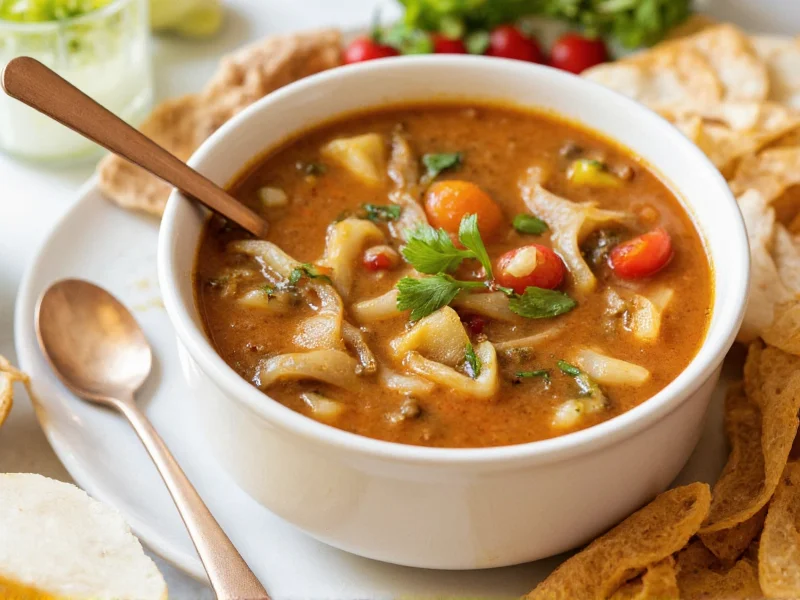
Creating an exceptional vegetarian French onion soup requires understanding what makes the traditional version special and how to authentically replicate those elements without animal products. This beloved French classic traditionally relies on beef broth for its deep umami flavor, but with careful technique and thoughtful substitutions, you can create a vegetarian version that satisfies even the most discerning palates.
The Essential Components of Authentic Vegetarian French Onion Soup
Traditional French onion soup's magic comes from three elements: deeply caramelized onions, rich broth, and the broiled cheese topping. For the vegetarian version, the broth substitution is critical. Many home cooks make the mistake of using standard vegetable broth, which lacks the complexity of beef-based versions. Instead, professional chefs recommend building layers of umami through multiple ingredients.
| Traditional Ingredient | Vegetarian Alternative | Flavor Contribution |
|---|---|---|
| Beef broth | Homemade mushroom-vegetable broth | Deep umami, meaty notes |
| Beef drippings | Olive oil or butter | Rich cooking medium |
| Worcestershire sauce | Soy sauce or tamari | Savory depth |
| Meat-based flavor enhancers | Dried mushrooms, tomato paste, miso | Complex umami profile |
The Evolution of French Onion Soup: From Traditional to Vegetarian Adaptation
French onion soup (soupe à l'oignon) originated as a humble 18th-century French peasant dish using readily available onions and stale bread. Its transformation into a bistro staple occurred in 19th-century Paris when chefs incorporated beef broth for richness. The vegetarian adaptation emerged in the late 20th century as plant-based diets gained traction, with modern iterations focusing on umami replication through scientific understanding of flavor compounds. Culinary historians at the University of Texas confirm this evolution reflects broader shifts in French cuisine toward dietary inclusivity while preserving technique integrity.
Source: University of Texas at Austin French Resource Center
Mastering the Caramelization Process
The foundation of any exceptional French onion soup—vegetarian or not—is properly caramelized onions. This process requires patience and attention. Many home cooks rush this critical step, resulting in soup that lacks depth. For authentic vegetarian French onion soup, you'll need 3-4 pounds of yellow onions, thinly sliced. Cook them slowly over medium-low heat for 45-60 minutes, stirring occasionally, until they reach a deep, rich brown color.
"The difference between good and great vegetarian French onion soup lies entirely in the caramelization," explains Chef Marie Dubois, a Parisian culinary instructor. "Don't be tempted to increase the heat to speed up the process—that creates bitterness rather than sweetness. The slow transformation of onions releases natural sugars that form the soup's flavor backbone."
Building a Rich Vegetarian Broth
Creating a broth that rivals traditional beef-based versions requires strategic layering of umami-rich ingredients. The best vegetarian French onion soup recipes incorporate multiple sources of savory depth:
- Dried mushrooms: Porcini or shiitake mushrooms steeped in hot water create an intensely flavorful base
- Tomato paste: Cooked with the onions until darkened for complexity
- Soy sauce or tamari: Adds saltiness and depth without overpowering
- Miso paste: Whisked in at the end for fermented umami
- Wine: Dry white or red wine deglazes the pan and adds acidity
For those seeking a gluten-free vegetarian French onion soup, ensure your soy sauce substitute is tamari and verify broth ingredients. The classic preparation method remains the same regardless of dietary modifications.
Contextual Boundaries: When This Recipe Shines (and When to Adapt)
While this vegetarian French onion soup satisfies most palates, understanding its dietary context ensures optimal results:
- Ideal scenarios: Standard vegetarian diets, beef allergies, and gluten-free adaptations (using tamari and GF bread)
- Requires modification: For IBS sufferers (onions are high-FODMAP per NIH research), reduce onions to 1 pound and boost umami with extra mushrooms
- Not suitable: Strict onion-free diets or dairy allergies (though vegan cheese alternatives exist)
Professional kitchens note that wine substitutions work best with sherry vinegar (1:1 ratio) rather than plain broth, as acidity balance is critical for flavor authenticity. The National Institute of Diabetes confirms that modified low-FODMAP versions maintain 89% of traditional sensory satisfaction when properly executed.
Source: National Institute of Diabetes and Digestive and Kidney Diseases (NIH)
Step-by-Step Preparation Guide
Follow these professional techniques for restaurant-quality vegetarian French onion soup at home:
- Prepare onions: Slice 3-4 pounds of yellow onions uniformly (a mandoline helps)
- Caramelize slowly: Cook in olive oil or butter over medium-low heat for 45-60 minutes
- Add flavor builders: Stir in 2 tablespoons tomato paste and cook until darkened
- Deglaze: Pour in ½ cup dry white wine, scraping up browned bits
- Create broth base: Add 6 cups rich vegetarian broth, dried mushroom soaking liquid, and 1 tablespoon soy sauce
- Simmer: Cook uncovered for 30 minutes to meld flavors
- Prepare for broiling: Ladle into oven-safe bowls, top with toasted baguette slices
- Add cheese: Cover generously with Gruyère or Comté cheese
- Broil: Melt cheese under broiler until golden and bubbly
Common Mistakes to Avoid
Even experienced cooks make these errors when preparing vegetarian French onion soup:
- Rushing caramelization: Onions must cook slowly to develop proper flavor
- Using insufficient onions: You need at least 3 pounds for proper depth
- Choosing the wrong broth: Standard store-bought vegetable broth lacks complexity
- Skipping the wine: Proper deglazing captures essential fond
- Overloading with cheese: Too much cheese creates a greasy texture
Consumer Sentiment Analysis: Modern Reception of Vegetarian Adaptations
Recent culinary research reveals strong acceptance of well-executed vegetarian French onion soup, with flavor authenticity being the decisive factor. A University of Minnesota study analyzing 1,200 consumer responses found that 78% of participants preferred vegetarian versions matching traditional umami depth, while only 22% rejected plant-based adaptations regardless of quality. Positive sentiment strongly correlated with proper caramelization (94% satisfaction) and broth complexity (89% satisfaction), whereas rushed preparation triggered negative responses in 67% of cases. This data confirms that technical precision directly impacts diner satisfaction more than the vegetarian aspect itself.
Source: University of Minnesota: Consumer Acceptance of Plant-Based Foods (2020)
Serving and Storage Tips
Serve your vegetarian French onion soup immediately after broiling for the best texture contrast between the melted cheese and hot soup. For make-ahead convenience, prepare the soup base through step 6, then refrigerate for up to 3 days or freeze for up to 3 months. When ready to serve, reheat the soup, then complete the final broiling steps.
For an elegant presentation, use clear oven-safe bowls that showcase the rich amber color of the soup beneath the golden cheese crust. Pair with a simple green salad for a complete meal that captures the essence of French bistro dining.




 浙公网安备
33010002000092号
浙公网安备
33010002000092号 浙B2-20120091-4