
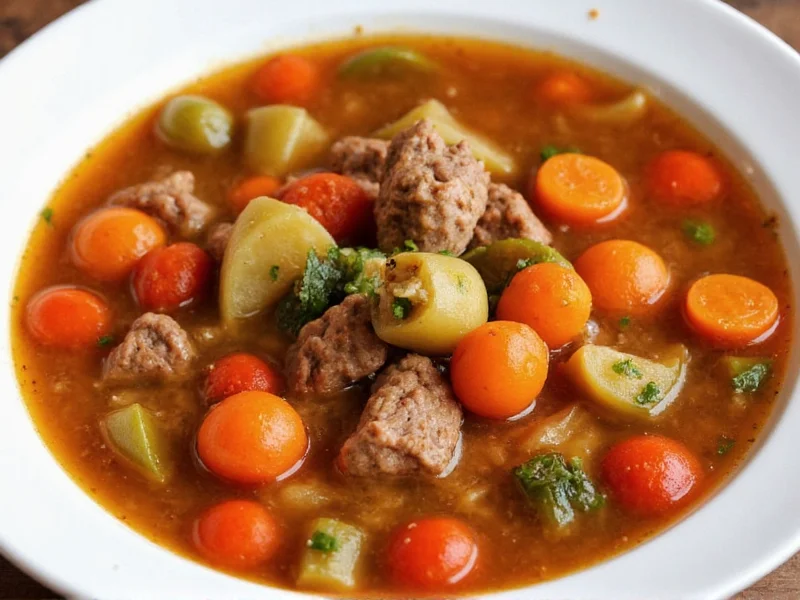
There's nothing quite as comforting as a steaming bowl of vegetable beef soup, especially when your slow cooker does all the work. This crock pot vegetable beef soup recipe delivers restaurant-quality results with minimal effort, making it perfect for busy weeknights or meal prep Sundays. The magic happens as the stew meat slowly breaks down, infusing the broth with rich flavor while the vegetables maintain their texture and nutritional value.
Why This Crock Pot Vegetable Beef Soup Works
Unlike stovetop versions that require constant attention, the slow cooker method allows flavors to develop gradually without risk of overcooking. The low, steady heat transforms tough cuts of beef into fork-tender morsels while preserving the integrity of carrots, potatoes, and other vegetables. This easy vegetable beef soup crock pot recipe eliminates the need for frequent stirring or temperature adjustments, freeing you to attend to other tasks while dinner prepares itself.
Complete Ingredient List
For authentic slow cooker vegetable beef soup that serves 6-8 people, you'll need:
| Ingredient | Quantity | Preparation Notes |
|---|---|---|
| Stew beef | 1.5 lbs | Cut into 1-inch cubes |
| Beef broth | 4 cups | Low-sodium preferred |
| Diced tomatoes | 2 cups | With juices |
| Carrots | 2 cups | Peeled and sliced |
| Potatoes | 2 cups | Diced (Yukon Gold recommended) |
| Celery | 1 cup | Chopped |
| Onion | 1 medium | Diced |
| Garlic | 3 cloves | Minced |
| Tomato paste | 2 tbsp | |
| Dried thyme | 1 tsp | |
| Bay leaves | 2 | |
| Olive oil | 1 tbsp | For browning |
| Salt and pepper | To taste |
Step-by-Step Crock Pot Preparation
- Brown the beef: Heat olive oil in skillet over medium-high heat. Pat beef dry and season with salt and pepper. Brown in batches without overcrowding (about 3-4 minutes per side). This step is crucial for developing rich flavor in your vegetable beef soup crock pot recipe.
- Layer ingredients: Transfer browned beef to slow cooker. Add broth, tomatoes, carrots, potatoes, celery, onion, garlic, tomato paste, thyme, and bay leaves.
- Cook: Cover and cook on LOW for 6-8 hours or HIGH for 3-4 hours. The best slow cooker vegetable beef soup achieves perfect tenderness when cooked on low setting.
- Final adjustments: Remove bay leaves. Season with additional salt and pepper if needed. For thicker broth, mix 2 tbsp cornstarch with 2 tbsp cold water and stir in during last 30 minutes of cooking.
Crock Pot Cooking Time Guidelines
Understanding vegetable beef soup crock pot cooking time is essential for perfect results:
- Low setting (190°F/88°C): 6-8 hours - ideal for maximum flavor development and tender meat
- High setting (300°F/149°C): 3-4 hours - acceptable when time is limited, but may result in slightly less tender meat
- Keep Warm setting: Up to 4 hours - maintains temperature without overcooking
Never start your slow cooker on high then switch to low - this keeps food in the danger zone too long. Always begin cooking on your intended setting for food safety.
Pro Tips for the Best Results
These tested techniques elevate your crock pot vegetable beef soup from good to exceptional:
- Don't skip browning: Taking time to properly sear the beef creates fond (browned bits) that significantly enhances flavor
- Add delicate vegetables later: If including peas or green beans, add during last hour to maintain texture
- Skim fat: For clearer broth, skim excess fat from surface after cooking
- Acid balance: A splash of red wine vinegar or Worcestershire sauce at the end brightens flavors
- Rest time: Let soup sit for 10-15 minutes after cooking for flavors to meld
Serving and Storage Recommendations
This hearty vegetable beef soup serves beautifully with crusty bread or a simple green salad. For meal prep enthusiasts, this vegetable beef soup recipe for meal prep stores exceptionally well:
- Refrigeration: Keeps for 4-5 days in airtight containers
- Freezing: Store in portion-sized containers for up to 3 months (thaw overnight in refrigerator)
- Reheating: Warm gently on stove over medium-low heat, stirring occasionally
The flavors actually improve after 24 hours as ingredients continue to meld, making this healthy vegetable beef soup slow cooker recipe perfect for preparing ahead.
Customization Options
Personalize your crock pot vegetable beef soup with these variations:
- Gluten-free: Use cornstarch instead of flour for thickening
- Low-carb: Substitute turnips or radishes for potatoes
- Extra vegetables: Add zucchini or green beans during last hour
- Spicy version: Include 1 diced jalapeño or 1/2 tsp red pepper flakes
- Herb variations: Try rosemary or oregano instead of thyme




 浙公网安备
33010002000092号
浙公网安备
33010002000092号 浙B2-20120091-4