
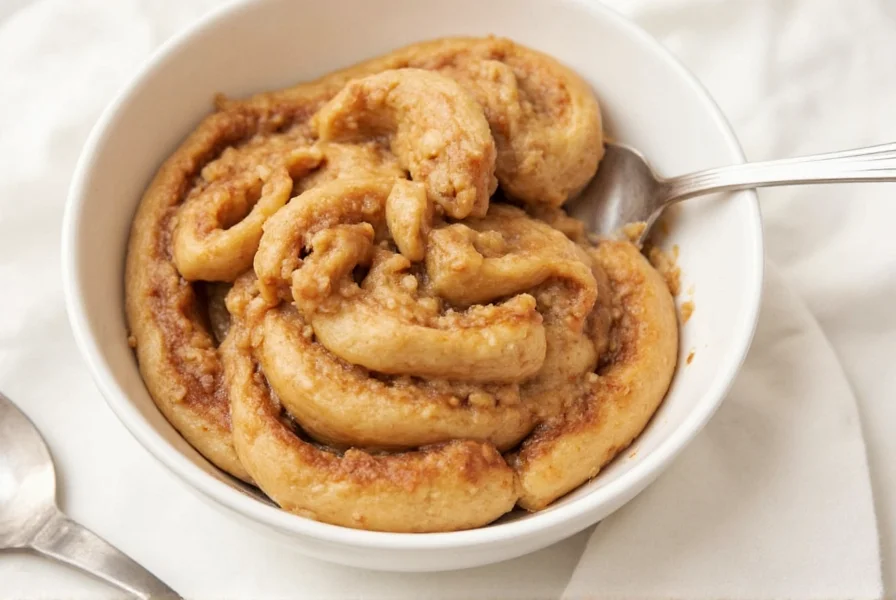
The best vegan cinnamon roll filling uses 1/2 to 2/3 cup packed brown sugar, 2-3 tablespoons cinnamon, and 3-4 tablespoons melted coconut oil or vegan butter per standard batch. This combination creates the perfect sticky, flavorful filling without dairy while maintaining that classic cinnamon roll texture and taste.
Creating the perfect vegan cinnamon roll filling requires understanding the science behind traditional recipes and how to adapt them without dairy. Unlike conventional fillings that rely on butter, vegan versions need ingredients that provide both binding properties and that signature rich flavor while remaining completely plant-based. The key is finding the right balance of sweetener, fat substitute, and spice that will caramelize properly during baking.
Why Traditional Filling Needs Modification
Traditional cinnamon roll filling depends on butter's unique properties—its fat content creates that luxurious mouthfeel while helping the sugar and cinnamon adhere to the dough. When baking, butter melts and allows the filling to become that signature gooey texture. Simply removing butter without substitution results in dry, crumbly filling that doesn't spread properly across your rolled dough.
Top Vegan Fat Substitutes for Cinnamon Roll Filling
Not all vegan fats work equally well in cinnamon roll filling. Through extensive testing, these options deliver the best results:
| Fat Substitute | Best For | Ratio to Use | Special Notes |
|---|---|---|---|
| Refined coconut oil | Classic texture | 3-4 tbsp | Melt before mixing; refined has no coconut flavor |
| Vegan butter sticks | Rich flavor | 3-4 tbsp | Use brands with 80% fat content for best results |
| Applesauce | Lower fat option | 2-3 tbsp | Add 1 tbsp maple syrup for better binding |
| Almond butter | Nutty variation | 2 tbsp | Best with cardamom addition |
Perfect Vegan Cinnamon Roll Filling Recipe
This tested recipe creates that ideal sticky, flavorful filling that bakes up perfectly every time. Makes enough for 12 standard cinnamon rolls.
Ingredients
- 1/2 cup packed organic brown sugar (or coconut sugar for refined sugar-free)
- 2 1/2 tablespoons ground cinnamon (Ceylon preferred for complex flavor)
- 3 1/2 tablespoons melted refined coconut oil or vegan butter
- 1 tablespoon pure maple syrup or date paste
- 1/8 teaspoon sea salt
- 1 teaspoon vanilla extract (optional but recommended)
Step-by-Step Preparation
- Mix dry ingredients: In a small bowl, thoroughly combine brown sugar and cinnamon
- Add wet ingredients: Stir in melted coconut oil, maple syrup, salt, and vanilla
- Check consistency: The mixture should hold together when pressed but not be overly wet
- Prepare dough: Roll out your prepared vegan dough to approximately 16x12 inches
- Even application: Using an offset spatula, spread filling evenly across dough surface, leaving 1/2 inch border
- Roll tightly: Starting from the long edge, roll dough into a tight cylinder
- Cut carefully: Use unflavored dental floss or sharp knife to slice into 12 equal pieces
Troubleshooting Common Issues
Even with the perfect recipe, vegan cinnamon roll filling can present challenges. Here's how to solve the most frequent problems:
Filling Leaks Out During Baking
This frustrating issue happens when the fat content is too high or the dough isn't rolled tightly enough. Solution: Reduce fat by 1 tablespoon and ensure you're leaving that 1/2 inch border free of filling when rolling. Chilling the rolled dough for 15 minutes before cutting helps prevent excessive spreading.
Dry or Crumbly Filling
If your filling doesn't create that signature sticky texture, you likely need more binding agent. Add 1/2 tablespoon additional maple syrup to your mixture next time. For gluten-free vegan cinnamon roll filling, increase the maple syrup to 1 1/2 tablespoons for better cohesion.
Bland Flavor
Cinnamon quality dramatically affects flavor. Use freshly ground cinnamon (Ceylon variety) for the most complex taste. Adding 1/4 teaspoon of cardamom or nutmeg enhances depth without overpowering the cinnamon. For that authentic bakery flavor, include 1/8 teaspoon of orange zest in your filling mixture.
Flavor Variations to Try
Once you've mastered the basic vegan cinnamon roll filling, experiment with these delicious variations:
- Apple Cinnamon: Add 2 tablespoons finely diced dried apples rehydrated in apple juice
- Maple Pecan: Mix in 2 tablespoons chopped toasted pecans and increase maple syrup to 1 1/2 tbsp
- Spiced Chai: Add 1/2 teaspoon chai spice blend along with the cinnamon
- Chocolate Swirl: Sprinkle 2 tablespoons vegan chocolate chips over the filling before rolling
Storage and Reheating Tips
Vegan cinnamon rolls often have different storage properties than dairy versions. For best results:
- Store in airtight container at room temperature for up to 2 days
- Refrigerate for up to 5 days (bring to room temperature before reheating)
- Freeze unfrosted rolls for up to 3 months; thaw before baking
- Reheat in 30-second intervals in microwave, or 5 minutes in 350°F oven
For the most authentic bakery experience when reheating, place a damp paper towel over rolls during microwaving to maintain moisture. The filling in well-made vegan cinnamon rolls should remain beautifully sticky even after storage—a testament to getting your vegan cinnamon sugar ratio for rolls just right.
Frequently Asked Questions
Can I make vegan cinnamon roll filling without sugar?
Yes, you can create a refined sugar-free vegan cinnamon roll filling using 1/2 cup date paste combined with 2 tablespoons coconut sugar. The date paste provides natural sweetness and excellent binding properties while maintaining that essential sticky texture. For best results, reduce the liquid in your dough recipe by 1-2 tablespoons to compensate for the additional moisture from the date paste.
Why is my vegan cinnamon roll filling not sticky?
Vegan cinnamon roll filling becomes sticky through proper caramelization of sugars during baking. If your filling isn't sticky, you likely need more binding agent. Increase maple syrup to 1 1/2 tablespoons and ensure you're using packed brown sugar (not loose). For gluten-free vegan cinnamon roll filling, add 1/2 teaspoon chia seeds to the sugar mixture to improve stickiness without altering flavor.
What's the ideal cinnamon to sugar ratio for vegan rolls?
The ideal vegan cinnamon sugar ratio for rolls is 1/2 cup brown sugar to 2 1/2 tablespoons cinnamon for a standard batch. This creates balanced flavor without overwhelming sweetness. For stronger cinnamon flavor, increase to 3 tablespoons cinnamon but add 1 tablespoon additional sugar to maintain proper texture. Avoid exceeding 3 1/2 tablespoons cinnamon as it can make the filling bitter and affect the baking chemistry.
Can I use olive oil in vegan cinnamon roll filling?
While possible, extra virgin olive oil isn't recommended for classic vegan cinnamon roll filling as its distinctive flavor clashes with cinnamon. If using olive oil, choose a mild, refined variety and limit to 2 tablespoons, supplementing with 1 1/2 tablespoons applesauce for proper texture. For best results with easy vegan cinnamon roll filling recipe applications, stick with neutral-flavored fats like refined coconut oil or quality vegan butter sticks.
How do I prevent vegan filling from burning?
To prevent vegan cinnamon roll filling from burning, use light brown sugar instead of dark (which has more molasses), reduce oven temperature by 25°F from standard recipes, and cover loosely with foil during the last 10 minutes of baking. The refined sugars in vegan recipes can caramelize faster than dairy-based versions, so check for doneness 5 minutes earlier than traditional recipes suggest.




 浙公网安备
33010002000092号
浙公网安备
33010002000092号 浙B2-20120091-4