
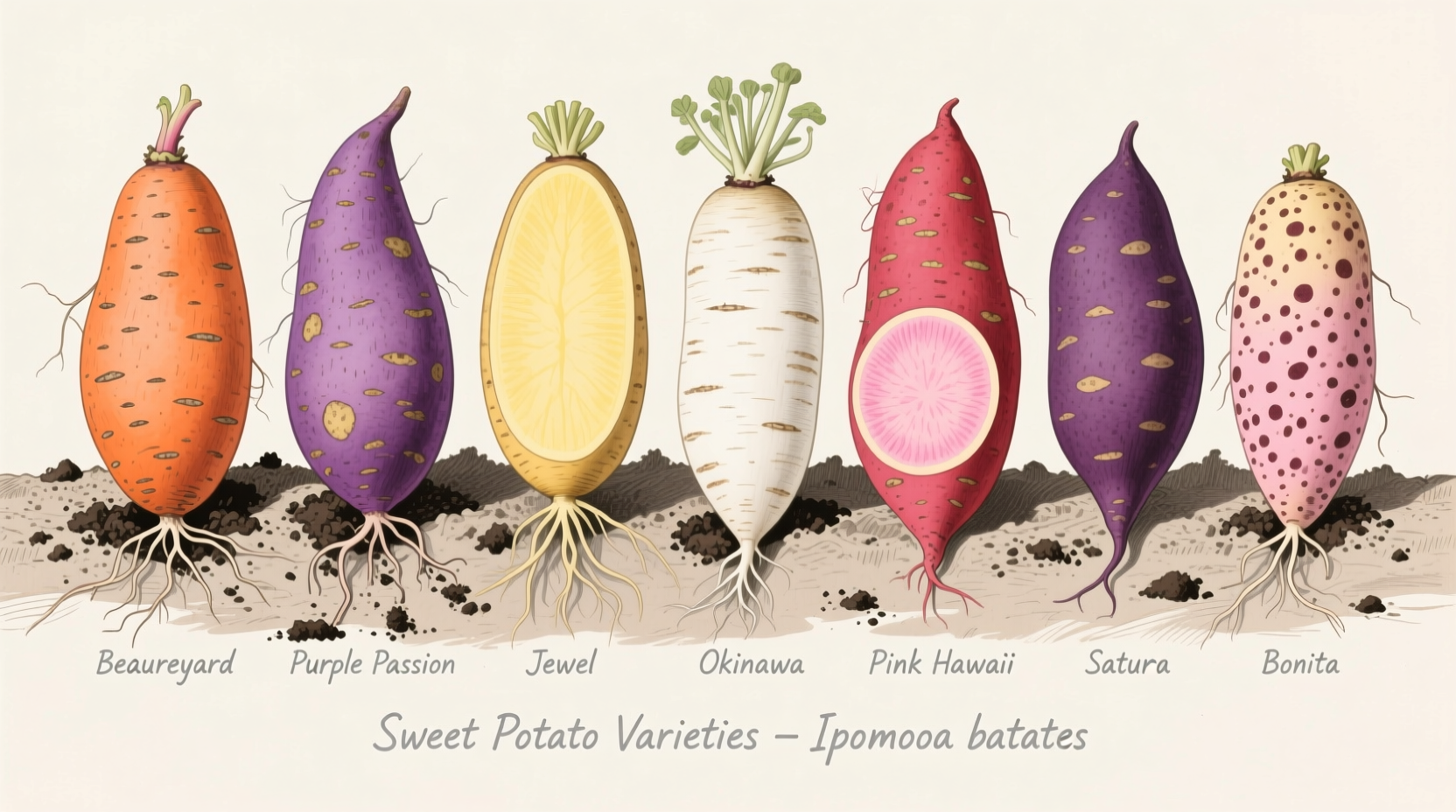
Discover 15+ sweet potato varieties with distinct flavors, textures, and culinary uses. Learn which types excel for baking, mashing, or roasting, plus nutritional benefits and growing regions - essential knowledge for home cooks and gardeners.
When you reach for sweet potatoes at the grocery store, you're likely choosing between just two or three varieties without realizing the incredible diversity available. From vibrant purple Japanese satsumaimo to creamy white Hannah varieties, each type offers unique culinary properties that can transform your cooking. Understanding these differences helps you select the perfect sweet potato for any recipe while maximizing nutritional benefits.
Quick Reference: Top Sweet Potato Varieties Compared
| Variety | Skin Color | Flesh Color | Sweetness Level | Best Cooking Method |
|---|---|---|---|---|
| Beauregard | Reddish-purple | Deep orange | ★★★★☆ | Baking, roasting |
| Covington | Copper | Bright orange | ★★★★☆ | Mashing, pies |
| Garnet | Deep red | Orange | ★★★★★ | Roasting, grilling |
| Hannah (White) | Tan | Creamy white | ★★★☆☆ | Boiling, soups |
| Okinawan (Purple) | Brown | Vibrant purple | ★★★☆☆ | Steaming, baking |
Orange-Fleshed Varieties: The Nutritional Powerhouses
Orange-fleshed sweet potatoes dominate U.S. markets for good reason - they're packed with beta-carotene, which your body converts to vitamin A. The USDA reports that just one serving provides more than 400% of your daily vitamin A requirement, crucial for vision and immune function.
Beauregard - Developed at Louisiana State University Agricultural Center, this variety accounts for over 80% of U.S. sweet potato production. Its deep orange flesh becomes incredibly moist when baked, making it ideal for classic sweet potato pie. The Beauregard's high sugar content caramelizes beautifully when roasted at 400°F for 45 minutes.
Covington - North Carolina's official sweet potato variety since 2009, Covington offers a balanced sweet-to-starchy ratio that holds its shape well during cooking. Food scientists at NC State University found Covington maintains better texture integrity than other varieties when mashed, making it the professional chef's choice for smooth, lump-free preparations.
Garnet - With its distinctive dark red skin and orange flesh, Garnet delivers the sweetest flavor profile among common varieties. Its higher moisture content requires slightly longer baking time (50-60 minutes at 375°F) but rewards with exceptional caramelization. Garnet's natural sugars make it perfect for recipes where you can reduce added sweeteners by 25%.
Purple-Fleshed Varieties: Antioxidant Champions
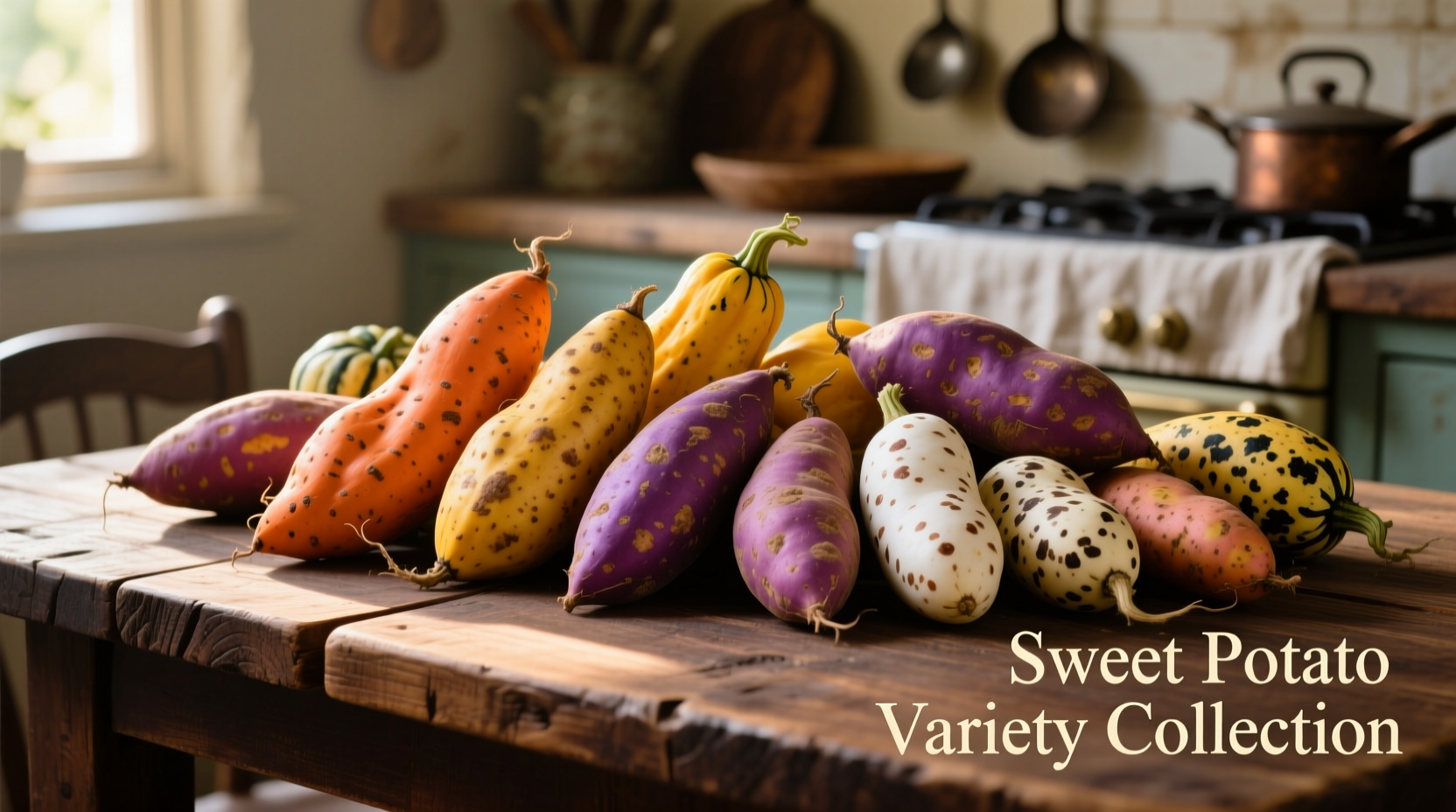
Purple sweet potatoes contain anthocyanins, the same antioxidants found in blueberries and red cabbage. Research from the University of Agriculture Faisalabad shows purple varieties contain up to three times more antioxidants than orange-fleshed types, though they have less beta-carotene.
Okinawan (Hawaiian Purple) - Despite its name, this variety originated in South America but became popular in Okinawa, Japan. Its vibrant purple flesh retains color best when steamed rather than baked. Chefs use Okinawan sweet potatoes in desserts where the striking color creates visual appeal without artificial dyes. When cooked, it offers a mildly sweet, chestnut-like flavor with less moisture than orange varieties.
Stokes Purple - Developed in North Carolina, this variety features deep purple skin and flesh that turns almost black when cooked. Stokes Purple has a drier texture similar to russet potatoes, making it excellent for frying. Its complex flavor profile includes earthy notes with subtle sweetness, perfect for savory applications like sweet potato fries or hash.
White and Yellow Varieties: The Underappreciated Options
Often overlooked in favor of their colorful counterparts, white and yellow sweet potatoes offer unique culinary advantages. According to agricultural data from the International Potato Center, these varieties typically have lower sugar content but higher starch levels, making them behave more like traditional potatoes in recipes.
Hannah (Yellow Jersey) - With tan skin and pale yellow flesh, Hannah sweet potatoes provide a delicate, almost floral sweetness. Their firm texture holds up exceptionally well in soups and stews where orange varieties might disintegrate. Nutritionally, Hannah varieties contain about 30% less sugar than orange-fleshed types while providing comparable fiber content.
O'Henry - This white-fleshed variety features copper skin and creamy interior that becomes fluffy when baked. O'Henry's neutral flavor profile makes it versatile for both sweet and savory dishes. Food historians note that white sweet potatoes were actually more common in early American cuisine before orange varieties gained popularity in the 20th century.
How to Choose the Right Variety for Your Needs
Selecting the perfect sweet potato depends on your intended use. Consider these factors when shopping:
- For baking whole: Choose firm specimens with no soft spots. Orange varieties like Jewel or Beauregard work best, weighing 8-12 ounces for even cooking
- For mashing: Covington or Garnet provide the creamiest texture. Allow cooked potatoes to drain for 5 minutes before mashing to avoid watery results
- For roasting: Cut Garnet or Jewel into 1-inch cubes and toss with 1 tsp oil per pound for optimal caramelization
- For soups and stews: Hannah or O'Henry maintain their structure better during long cooking times
- For desserts: Higher sugar varieties like Garnet reduce the need for added sweeteners by up to 30%
Growing Regions and Seasonality
Sweet potatoes grow in USDA zones 9-11 but are cultivated commercially in specific regions that match each variety's needs:
- Northern producers (NC, VA): Specialize in Jewel, Covington, and Garnet varieties (harvested Aug-Oct)
- Southern producers (LA, MS): Focus on Beauregard and Orleans (harvested Sep-Nov)
- Western producers (CA): Grow O'Henry and Japanese varieties (available year-round)
- Tropical regions: Produce Okinawan and other purple varieties (seasonal availability)
According to the USDA Agricultural Marketing Service, sweet potatoes harvested in the fall maintain peak quality for 3-5 months when stored properly, making them a winter staple across America.
Storage Tips for Maximum Freshness
Proper storage dramatically affects sweet potato quality and shelf life:
- Store at 55-60°F (13-15°C) with 75-80% humidity - never refrigerate
- Keep in a ventilated container away from direct sunlight
- Do not wash before storage - moisture accelerates spoilage
- Use within 3-5 weeks for best flavor and texture
- Never store near apples or bananas which release ethylene gas
Food science research from Clemson University shows that curing sweet potatoes at 85-95°F for 5-7 days after harvest increases sugar content by up to 25%, explaining why fall-harvested potatoes taste sweeter than early-season varieties.
Common Questions About Sweet Potato Varieties
What's the difference between sweet potatoes and yams?
In the United States, what are often labeled as yams are actually sweet potatoes. True yams are a different species native to Africa and Asia with rough, bark-like skin and low sugar content. The confusion began when orange-fleshed sweet potatoes were introduced to distinguish them from traditional white-fleshed varieties, and the term 'yam' was adopted commercially.
Which sweet potato variety is the healthiest?
Orange-fleshed varieties like Beauregard contain the highest beta-carotene levels, while purple varieties like Okinawan offer superior antioxidant content. White varieties like Hannah provide similar fiber content with lower sugar. For balanced nutrition, rotate through different varieties seasonally to benefit from their unique phytonutrient profiles.
Why do some sweet potatoes taste sweeter than others?
Sweetness varies due to sugar content and starch conversion. Varieties like Garnet naturally contain more sugars, while others like Hannah have higher starch levels. Cooking method also affects perceived sweetness - baking at 400°F triggers enzymatic reactions that convert starches to maltose, increasing sweetness regardless of variety.
Can I substitute one sweet potato variety for another in recipes?
Yes, but with adjustments. For moist varieties like Garnet, reduce liquid by 15% in baked goods. For drier varieties like Stokes Purple, increase liquid slightly. When substituting white for orange varieties, expect less natural sweetness and adjust sweeteners accordingly. Always consider texture requirements - some varieties hold shape better for salads while others mash smoother for pies.




 浙公网安备
33010002000092号
浙公网安备
33010002000092号 浙B2-20120091-4