
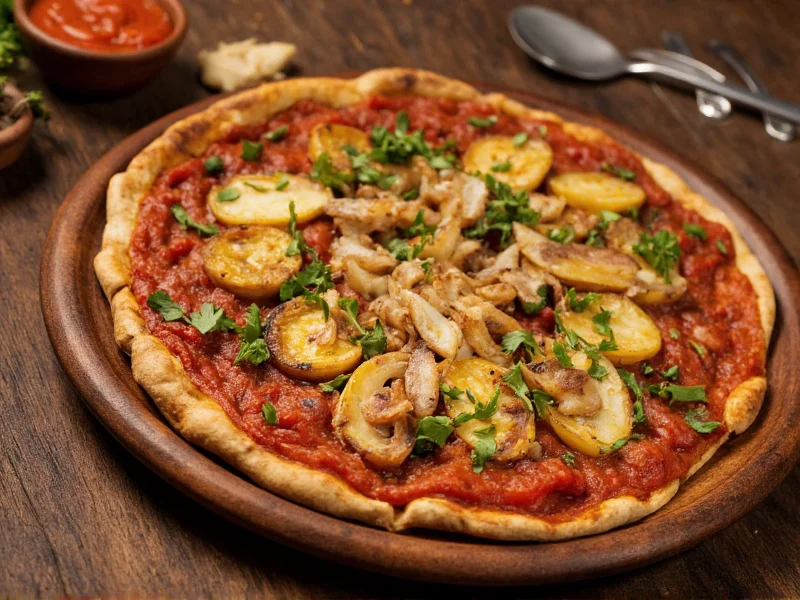
Urfa food refers to the distinctive culinary tradition of Şanlıurfa, a historic city in southeastern Turkey renowned for its rich flavors, unique spice blends, and centuries-old cooking techniques. Characterized by the iconic isot pepper (Urfa biber), slow-cooked meat dishes, and aromatic flatbreads, Urfa cuisine represents one of Turkey's most celebrated regional food cultures with deep cultural significance.
When exploring Turkish regional cuisines, few destinations rival Şanlıurfa for its authentic flavors and culinary heritage. Nestled in southeastern Anatolia near the Syrian border, this ancient city—often called the "City of Prophets"—boasts a food culture shaped by millennia of history, diverse cultural influences, and unique local ingredients. Understanding Urfa food means appreciating how geography, tradition, and craftsmanship converge to create dishes that have captivated palates for generations.
The Cultural Roots of Urfa Cuisine
Urfa's culinary identity stems from its position at the crossroads of Mesopotamian, Kurdish, Arab, and Turkish traditions. The region's agricultural abundance—particularly its fertile soil and access to water sources—has supported farming communities for over 11,000 years, making it one of humanity's earliest settled areas. This agricultural legacy directly influences Urfa food culture, where seasonal ingredients and time-honored preservation methods remain central to daily cooking.
Unlike the sweeter spice profiles of coastal Turkish regions, Urfa cuisine features bold, earthy flavors with moderate heat. The city's proximity to the Fertile Crescent means many ingredients used today have been cultivated in this region since ancient times. Traditional Urfa cooking methods often involve slow preparation processes that enhance natural flavors without overwhelming them—a philosophy reflected in dishes that balance complexity with simplicity.
Signature Dishes That Define Urfa Food
Several dishes stand as pillars of authentic Urfa cuisine, each telling a story of the region's history and values:
| Dish | Key Ingredients | Cultural Significance |
|---|---|---|
| Urfa Kebab | Minced lamb, isot pepper, onions, breadcrumbs | Slow-grilled over charcoal, representing Urfa's mastery of meat preparation |
| Musakka | Eggplant, minced meat, tomatoes, Urfa spices | A layered casserole showcasing vegetable cultivation traditions |
| Kiymali Icmali Yufka | Hand-rolled yufka, spiced meat, onions | Street food representing Urfa's communal eating culture |
| Harran Eriği | Wheat, meat, chickpeas, spices | A ceremonial dish connecting modern Urfa to ancient Mesopotamian traditions |
The Heart of Urfa Flavor: Isot Pepper
No discussion of Urfa food would be complete without highlighting isot biber (Urfa pepper), the region's most famous culinary contribution. This dark purple-to-black pepper flake develops its distinctive smoky, slightly fruity flavor through a unique sun-drying process followed by oil curing. Unlike its cousin Aleppo pepper, isot has moderate heat with complex notes of raisin and tobacco.
Authentic Urfa kebab recipes rely on isot for their characteristic deep red color and earthy warmth. Local chefs emphasize that genuine isot comes exclusively from Urfa's microclimate, where specific soil conditions and temperature variations create peppers impossible to replicate elsewhere. This geographical indication makes isot a protected regional product, much like Champagne in France.
Traditional Cooking Techniques Preserved Through Generations
Urfa's culinary heritage extends beyond ingredients to encompass distinctive preparation methods:
- Tandır cooking: Meat and breads cooked in underground clay ovens, preserving moisture while developing complex flavors
- Stone grinding: Spices and grains processed using traditional stone mills for optimal flavor release
- Slow marination: Meats treated with isot and other spices for 24-48 hours before cooking
- Hand-rolled yufka: Paper-thin flatbreads prepared without modern machinery
These techniques require significant time and skill, representing knowledge passed down through generations. Many Urfa households still maintain traditional tandır ovens in their courtyards, especially during special occasions when families gather to prepare elaborate meals together.
Where to Experience Authentic Urfa Food
For travelers seeking genuine Urfa cuisine experiences, certain locations offer particularly authentic encounters with regional specialties:
- Historic city center restaurants: Establishments near the Balıklıgöl pond serving traditional breakfast spreads with fresh cheeses and honey
- Local markets: The central bazaar where vendors demonstrate traditional preparation methods
- Rural villages: Surrounding areas where families maintain ancient agricultural practices
- Home cooking experiences: Community initiatives connecting visitors with local families for authentic meal preparation
When exploring Urfa food culture, understanding regional dining customs enhances the experience. Meals typically begin with numerous small plates (meze) featuring eggplant dishes, bean salads, and herb spreads, followed by substantial meat courses. The communal aspect of dining remains central to Urfa's food culture, with families often sharing large platters from which everyone eats.
Incorporating Urfa Flavors Into Home Cooking
While nothing compares to experiencing Urfa food in its place of origin, home cooks can incorporate authentic elements through these approaches:
- Source genuine isot pepper from specialty Turkish markets or reputable online vendors
- Use bulgur wheat as a base for salads and side dishes, as preferred in southeastern Turkey
- Marinate meats with isot, pul biber (Turkish red pepper), and sumac before grilling
- Prepare traditional flatbreads using minimal yeast for authentic texture
- Balance flavors with pomegranate molasses, a common Urfa ingredient
Authentic Urfa kebab recipes at home require attention to meat selection—ideally using lamb with 20% fat content for optimal texture. The characteristic deep red color comes from proper isot application during the marination process, not from artificial coloring as sometimes seen in imitations.
The Cultural Significance of Food in Urfa
Food in Urfa transcends mere sustenance—it represents cultural identity, hospitality, and historical continuity. Traditional Urfa cooking methods connect modern residents to their ancestors who cultivated the same lands thousands of years ago. The region's famous hospitality manifests through elaborate meal preparations for guests, reflecting ancient traditions of generosity.
During religious and cultural celebrations, specific dishes take on symbolic meaning. For instance, harran eriği (a wheat-based ceremonial dish) connects contemporary Urfa to its ancient Harran roots, while special breads mark important life events. This deep connection between food and cultural identity makes Urfa cuisine more than just regional cooking—it's a living heritage.
Preserving Authentic Urfa Food Traditions
As global food trends influence regional cuisines worldwide, Urfa has taken significant steps to preserve its culinary heritage. Local initiatives document traditional recipes, while culinary schools teach authentic preparation methods to new generations. The city's annual food festivals celebrate regional specialties while educating visitors about proper preparation techniques.
Understanding what makes Urfa cuisine unique requires recognizing these preservation efforts. Unlike commercialized versions found elsewhere, authentic Urfa food maintains strict adherence to traditional ingredients and methods. This commitment to authenticity ensures that dishes like Urfa kebab retain their distinctive character rather than adapting to international palates.
What distinguishes Urfa food from other Turkish regional cuisines?
Urfa food features moderate heat levels compared to neighboring Gaziantep, with emphasis on smoky isot pepper rather than intense spiciness. The cuisine incorporates more bulgur wheat and legumes than coastal regions, with distinctive slow-cooking techniques that develop complex flavors without overwhelming ingredients.
Where can I find authentic isot pepper outside Turkey?
Authentic isot pepper (Urfa biber) is available through specialty Turkish markets and reputable online spice retailers. Look for products labeled "IŞOT" which indicates genuine Urfa origin. Be cautious of substitutes labeled as "Urfa pepper" that may be generic Turkish pepper flakes without the distinctive curing process.
What are essential Urfa dishes to try for first-time visitors?
First-time visitors should try Urfa kebab (distinct from Adana kebab), kiymali icmali yufka (spiced meat in hand-rolled flatbread), and various eggplant-based dishes like musakka. Traditional breakfast spreads featuring local cheeses, honey, and fresh breads also provide an authentic introduction to Urfa's culinary culture.
How does Urfa's geography influence its food culture?
Urfa's location in southeastern Anatolia near the Fertile Crescent provides access to ancient agricultural traditions. The region's hot, dry climate favors specific crops like bulgur wheat and certain peppers, while proximity to Mesopotamian plains supports livestock farming. This geography creates the foundation for Urfa's distinctive meat-based dishes and grain preparations.
What makes a genuine Urfa kebab different from imitations?
Authentic Urfa kebab uses specific cuts of lamb with balanced fat content, marinated for 24-48 hours in isot pepper and minimal seasonings. It's shaped by hand without binders and grilled over charcoal at precise temperatures. The characteristic deep red color comes from proper isot application, not artificial coloring, and the texture should be tender without being mushy.




 浙公网安备
33010002000092号
浙公网安备
33010002000092号 浙B2-20120091-4