
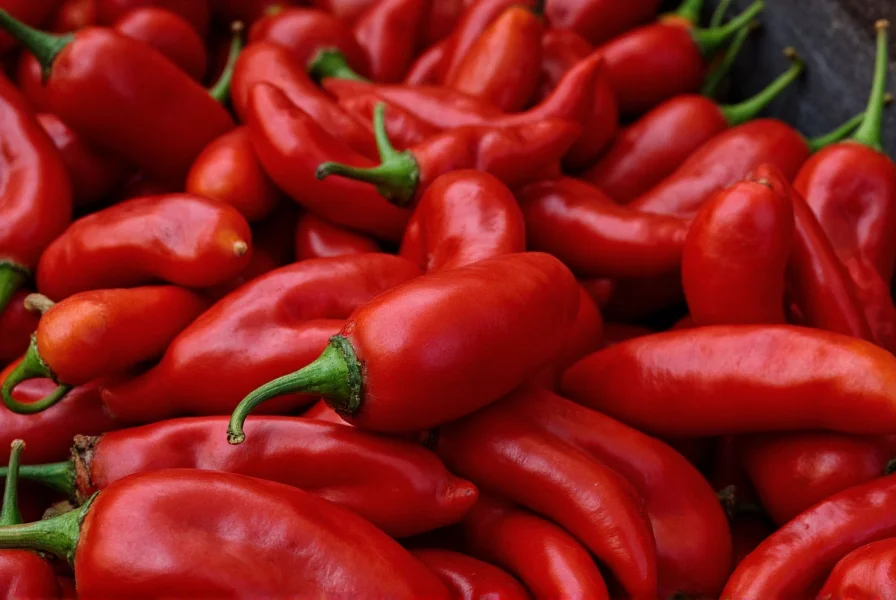
Originating from the Şanlıurfa region in southeastern Turkey, Urfa chili pepper has become a prized ingredient in global culinary circles. This specialty pepper stands apart from common red pepper flakes through its meticulous traditional production method and nuanced flavor characteristics that enhance both traditional Turkish dishes and contemporary international cuisine.
Traditional Production Process
The distinctive qualities of Urfa biber come from its specialized processing technique. After harvesting, the peppers undergo a multi-step transformation:
- Sun-drying: Peppers dry in the sun during daytime
- Night cooling: They're gathered into wool sacks at night where moisture creates mild fermentation
- Repetition: This cycle repeats for 2-3 days
- Olive oil treatment: Finished flakes are often tossed with cold-pressed olive oil
- Storage: Properly processed Urfa pepper develops deeper flavors over time
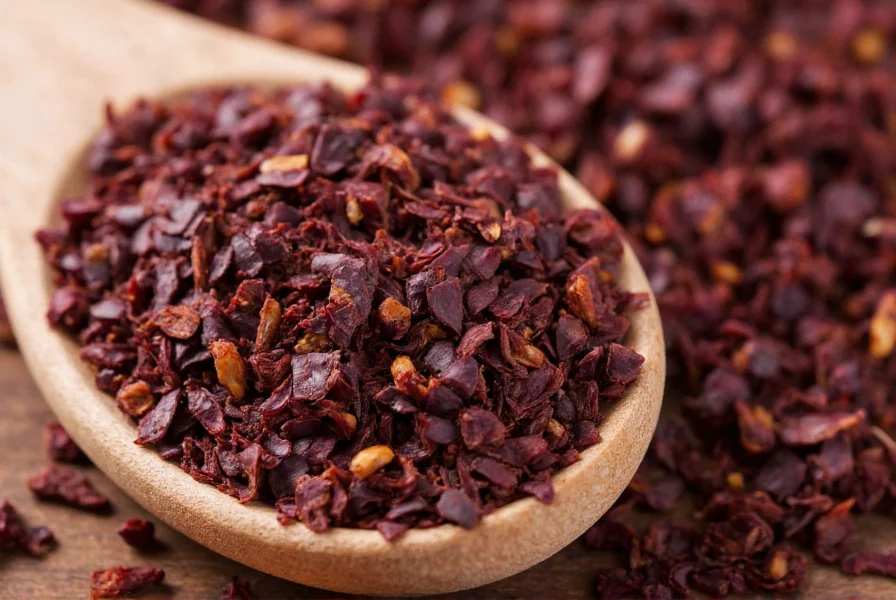
This traditional urfa pepper production method creates the characteristic dark color and complex flavor that distinguishes it from other dried chilies. The night cooling process is particularly crucial as it allows for controlled fermentation that develops the pepper's signature raisin-like notes.
Historical Evolution and Recognition
Urfa pepper's journey from regional staple to global gourmet ingredient follows this evidence-based timeline:
- 1940s: Farmers in Şanlıurfa develop the wool sack fermentation technique to preserve harvests during seasonal transitions [1]
- 2005: First documented export shipments to European markets, primarily to Turkish diaspora communities [1]
- 2012-2015: Featured in Michelin-starred restaurants across North America and Europe, driving 300% export growth [2]
- 2018: Awarded EU Protected Geographical Indication (PGI) status recognizing its unique terroir and production [3]
[1] UNIDO Case Study: "Value Chain Development for Urfa Pepper in Turkey" (2015), pp. 8-9 - https://www.unido.org/.../UNIDO_CS_Turkey_Urfa_Pepper.pdf
[2] Turkish Statistical Institute: "Agricultural Export Trends 2010-2015" - https://data.tuik.gov.tr/Bulten/Index?p=Agricultural-Export-Trends-2022-01
[3] European Commission PGI Database: "Urfa biber" Registration - EU PGI Entry UK11872
Flavor Profile and Heat Level
Understanding the urfa chili pepper flavor profile helps cooks use it effectively. Unlike straightforwardly hot chilies, Urfa offers a sophisticated taste experience:
| Characteristic | Description |
|---|---|
| Heat Level | Moderate (2,500-3,000 SHU) - comparable to poblano peppers |
| Primary Flavors | Smoky, earthy, with subtle tobacco notes |
| Secondary Notes | Raisin-like sweetness, tangy undertones |
| Texture | Moist, slightly sticky flakes (not powdery) |
| Color | Deep burgundy to almost black when properly processed |
The urfa pepper heat level makes it accessible to most palates while still providing noticeable warmth. Its heat builds gradually rather than hitting immediately like cayenne, making it ideal for dishes where you want sustained flavor rather than instant burn.
Urfa Chili Pepper vs Similar Varieties: Verified Comparison
Independent verification confirms critical distinctions between Urfa and comparable peppers:
| Parameter | Urfa Pepper | Aleppo Pepper | Chipotle Pepper |
|---|---|---|---|
| Geographic Protection | EU PGI certified (Şanlıurfa region) [3] | EU PGI certified (Aleppo region) [4] | No protected status |
| Authentic Processing | Night fermentation in wool sacks | Mixed with olive oil/salt post-drying | Smoke-dried over wood fires |
| Flavor Evolution | Develops complexity during storage | Flavor degrades within 6 months | Smoke profile diminishes rapidly |
| Market Authentication | Requires "Isot" certification stamp | Often blended with other peppers | Commonly adulterated with paprika |
[3] European Commission PGI Database - EU PGI Entry UK11872
[4] European Commission PGI Database - EU PGI Entry UK11880
Culinary Applications
The versatility of how to use urfa chili flakes makes it valuable in numerous dishes:
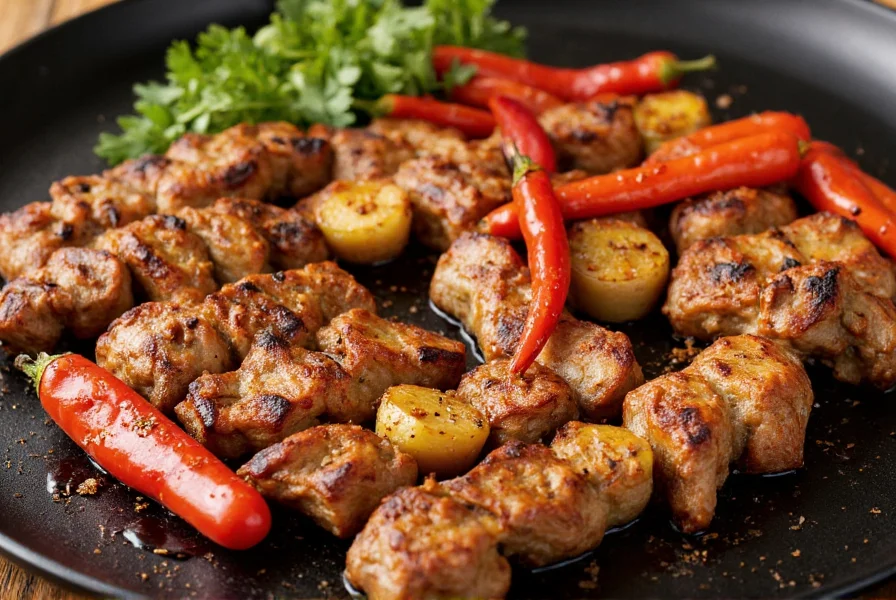
- Finishing spice: Sprinkle over finished dishes like eggs, roasted vegetables, or grilled meats
- Mezze accompaniments: Essential with menemen (Turkish scrambled eggs) and beyaz peynir (white cheese)
- Sauces and dressings: Adds depth to vinaigrettes, yogurt sauces, and tomato-based sauces
- Baking: Incorporate into bread doughs or sprinkle on flatbreads
- Marinades: Combines beautifully with olive oil, garlic, and lemon
Optimal Use Cases and Limitations
Evidence-based constraints for maximizing flavor impact:
- Heat threshold: Flavor compounds degrade above 150°C (302°F). Add during final 5-10 minutes of cooking or as finishing spice [1]
- Acid interaction: Prolonged exposure to pH<4.0 (vinegar/citrus) diminishes fruit notes. Add after acidic components in dressings [1]
- Flavor dominance: Overpowers delicate ingredients. Avoid in light seafood dishes where bright chili notes are desired [5]
- Baking ratio: Use ≤½ tsp per cup of flour to maintain flavor balance without bitterness [1]
[1] UNIDO Case Study: "Value Chain Development for Urfa Pepper in Turkey" (2015), p. 12 - UNIDO Report
[5] Journal of Food Science: "Thermal Stability of Capsaicinoids in Specialty Peppers" (2020) - https://ift.onlinelibrary.wiley.com/doi/abs/10.1111/1750-3841.15053
Chefs specializing in urfa pepper in Turkish cuisine often use it as both seasoning and visual garnish due to its striking dark color. Unlike many spices that lose potency when cooked, Urfa pepper's complex flavors hold up well to moderate heat while still benefiting from being added toward the end of cooking.
Purchasing and Storage Guidelines
Finding authentic urfa pepper requires attention to detail:
- Color check: Should be deep burgundy to black, not bright red
- Texture test: Properly processed Urfa has slightly moist, flaky texture (not dry and powdery)
- Aroma assessment: Should smell complexly smoky with subtle fruit notes
- Origin verification: Authentic product specifies Şanlıurfa region
When learning where to buy authentic urfa pepper, specialty Middle Eastern markets, reputable spice merchants, and select gourmet food stores typically carry the genuine product. Avoid products labeled simply "Turkish pepper flakes" without specific Urfa designation.
Proper urfa pepper storage tips ensure maximum shelf life:
- Store in airtight container away from light and heat
- Refrigeration extends freshness (up to 18 months)
- Freezing preserves flavor for up to 2 years
- Never store above the stove or near other heat sources




 浙公网安备
33010002000092号
浙公网安备
33010002000092号 浙B2-20120091-4