
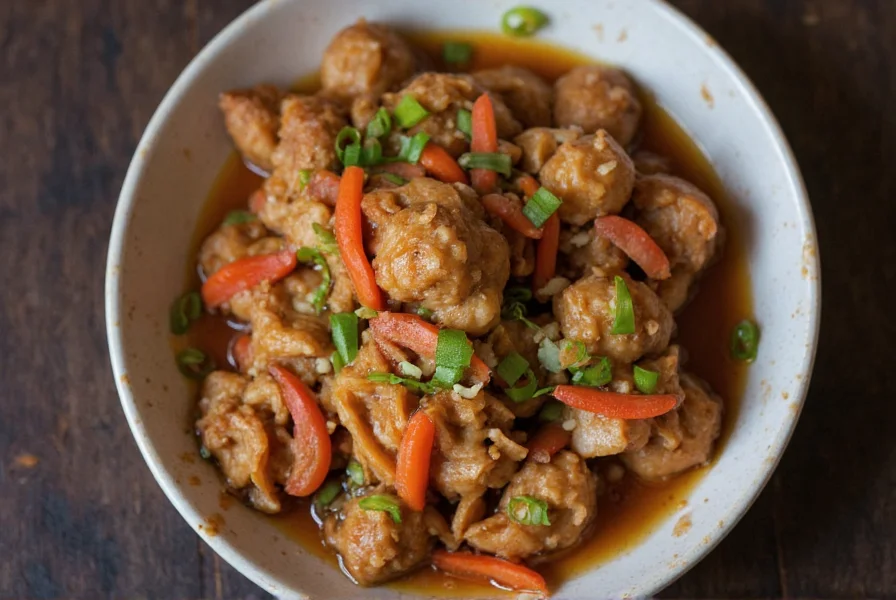
Understanding how to properly create and use umami ginger sauce can transform your cooking from ordinary to extraordinary. Unlike standard ginger sauces that focus primarily on the rhizome's sharp heat, authentic umami ginger sauce incorporates multiple ingredients that work synergistically to create that coveted fifth taste sensation—umami—while maintaining ginger's distinctive character.
The Science Behind Umami Ginger Sauce
Umami, often described as "savory" or "meaty," is one of the five basic tastes detected by human taste receptors. When creating umami ginger sauce, you're essentially building flavor compounds that trigger these receptors. The magic happens through specific ingredient combinations:
| Umami Source | Key Compounds | Flavor Contribution |
|---|---|---|
| Soy sauce/tamari | Glutamates | Savory depth, saltiness |
| Fresh shiitake mushrooms | Guanilates | Earthy richness |
| Fish sauce | Inosinates | Complex savory notes |
| Miso paste | Fermented glutamates | Creamy umami foundation |
When these umami sources combine with ginger's pungent zing, they create a sauce with remarkable depth that enhances rather than overwhelms other ingredients. This synergy explains why homemade umami ginger sauce significantly outperforms store-bought versions that often rely on artificial flavor enhancers.
Perfect Homemade Umami Ginger Sauce Recipe
Creating authentic umami ginger sauce requires attention to ingredient quality and preparation technique. This tested recipe delivers balanced flavor without overpowering saltiness:
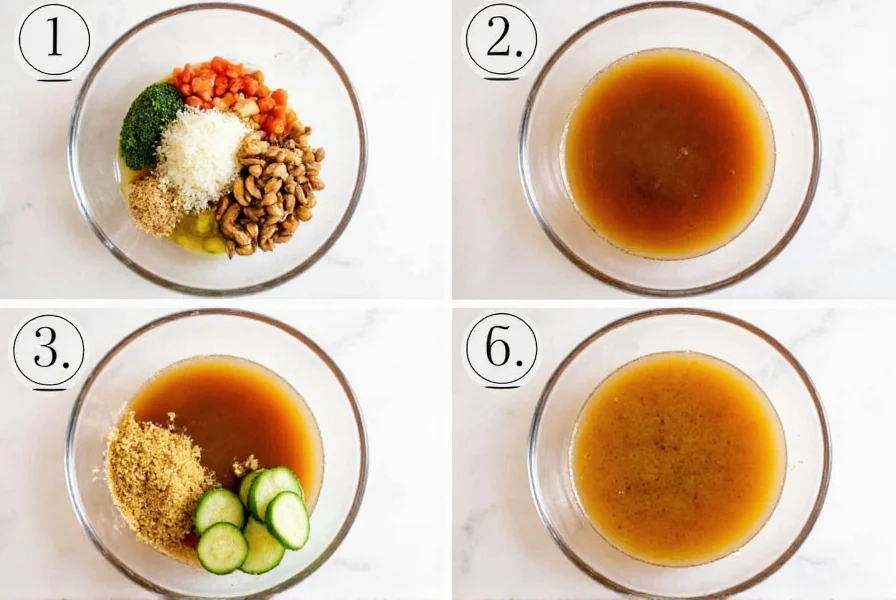
Ingredients
- 3 tablespoons freshly grated ginger (use fine grater for maximum flavor release)
- 2 tablespoons tamari or reduced-sodium soy sauce
- 1 tablespoon rice vinegar
- 1 tablespoon mirin
- 1 teaspoon shiitake mushroom powder (or 2 rehydrated shiitakes, finely minced)
- 1 teaspoon toasted sesame oil
- 1 small garlic clove, microplaned
- 1 teaspoon pure maple syrup
- ½ teaspoon fish sauce (optional for non-vegetarian version)
- 2-3 tablespoons water or vegetable broth
Preparation Method
- Combine all ingredients in a small bowl, whisking thoroughly to ensure the ginger is evenly distributed
- Let the mixture rest for 15 minutes to allow flavors to meld
- Strain through a fine-mesh sieve if you prefer a smoother texture (optional)
- Taste and adjust seasoning—add water if too intense, more ginger for heat, or maple syrup for balance
This homemade umami ginger sauce recipe yields approximately ¼ cup of concentrated flavor. The resting period is crucial as it allows the ginger's volatile compounds to integrate with the umami elements, creating a more harmonious flavor profile than immediate use would provide.
Optimal Culinary Applications
Understanding how to properly deploy umami ginger sauce separates novice cooks from experienced ones. This versatile condiment serves multiple functions in the kitchen:
As a Marinade
For proteins like salmon, chicken, or tofu, use undiluted sauce marinated for 30-60 minutes. The ginger's enzymes gently tenderize while the umami components penetrate deeply. Avoid marinating for more than 2 hours with acidic components as this can make proteins mushy.
In Stir-Fries
Add 1-2 tablespoons during the final minute of cooking for umami ginger sauce for stir fry applications. This preserves the ginger's bright notes while allowing the sauce to coat ingredients evenly. For best results, mix with a cornstarch slurry (1 teaspoon cornstarch + 2 tablespoons water) to create a glossy finish.
As a Finishing Sauce
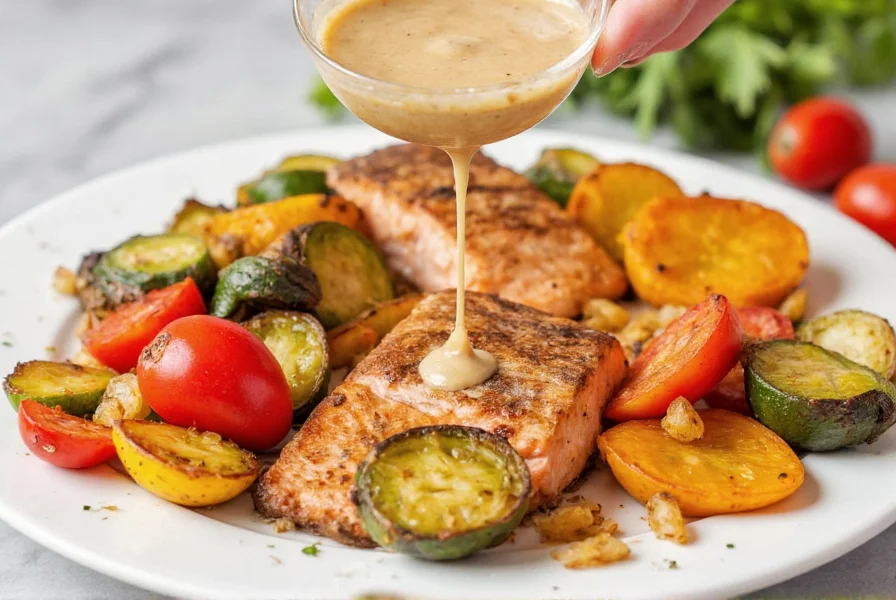
Dilute with equal parts warm water or broth and drizzle over finished dishes. This technique works exceptionally well for steamed vegetables, grain bowls, or roasted proteins, adding complexity without overwhelming the dish's natural flavors.
Storage and Shelf Life Considerations
Proper storage maintains your umami ginger sauce storage tips integrity. Store in an airtight container in the refrigerator for up to 2 weeks. For longer preservation:
- Freeze in ice cube trays, then transfer to freezer bags for up to 3 months
- Ensure all ingredients were fresh when prepared (stale ginger creates off-flavors)
- Always use clean utensils when handling to prevent contamination
Discard if you notice any mold, significant separation that doesn't reincorporate with stirring, or sour/fermented odors beyond the normal tang from rice vinegar.
Thoughtful Substitutions and Variations
When you need a umami ginger sauce substitute, consider these intelligent alternatives based on available ingredients:
| If You Lack | Best Substitute | Adjustment Needed |
|---|---|---|
| Fresh ginger | 1 tsp ginger powder + 1 tsp lemon zest | Use half amount; powder is more concentrated |
| Shiitake powder | 1 tbsp tomato paste + pinch dried seaweed | Add during cooking to develop flavors |
| Fish sauce | 1 tsp miso paste + ½ tsp soy sauce | Dissolve in warm water first |
| Mirin | 1 tsp sugar + 1 tsp rice vinegar | Add sugar early to dissolve properly |
For dietary modifications:
- Gluten-free: Use tamari instead of soy sauce
- Vegan: Omit fish sauce or substitute with seaweed-infused broth
- Low-sodium: Dilute soy component with water and increase ginger proportionally
Maximizing Flavor Impact
To get the most from your umami ginger sauce for marinade applications, consider these professional techniques:
- Apply sauce at the optimal time—30 minutes before cooking for proteins, immediately before serving for vegetables
- Reserve a portion of unused sauce for finishing to maintain bright ginger notes
- Pair with complementary ingredients: scallions enhance freshness, sesame seeds add nuttiness, chili provides counterpoint heat
- Avoid high-heat cooking with the sauce already applied, which can cause burning and bitterness
Understanding these nuances transforms umami ginger sauce from a simple condiment into a sophisticated flavor-building tool that elevates your entire culinary repertoire.
Frequently Asked Questions
Can I make umami ginger sauce without fish sauce?
Yes, you can create excellent vegan umami ginger sauce by substituting fish sauce with a combination of shiitake mushroom powder and a small amount of seaweed (like kombu). Simply steep 1-inch kombu strip in ¼ cup warm water for 20 minutes, then use this infused liquid in place of fish sauce. The resulting sauce maintains deep umami complexity without animal products.
Why does my homemade umami ginger sauce taste bitter?
Bitterness typically occurs when ginger is exposed to high heat for too long or when using older ginger root. To prevent this, add the sauce during the final minute of cooking rather than at the beginning. Also, ensure you're using fresh ginger (look for smooth, firm skin without wrinkles) and avoid the woody parts near the root ends. If bitterness occurs, balance with a small amount of sweetener like maple syrup.
How can I adjust umami ginger sauce for sensitive palates?
For milder flavor, reduce the ginger quantity by half and increase the tamari-to-ginger ratio. You can also blanch freshly grated ginger in boiling water for 30 seconds before incorporating it into the sauce, which reduces its pungency while preserving flavor. Adding an extra teaspoon of mirin or maple syrup helps balance the sharpness while maintaining the umami foundation.
What's the difference between umami ginger sauce and regular ginger sauce?
Regular ginger sauce typically focuses on ginger's heat with minimal supporting flavors, often just ginger, vinegar, and sugar. Authentic umami ginger sauce deliberately incorporates multiple umami sources (soy, mushrooms, fermented elements) that create depth and complexity. The result is a more balanced sauce where ginger's brightness complements rather than dominates, with layered savory notes that enhance rather than mask other ingredients.




 浙公网安备
33010002000092号
浙公网安备
33010002000092号 浙B2-20120091-4