
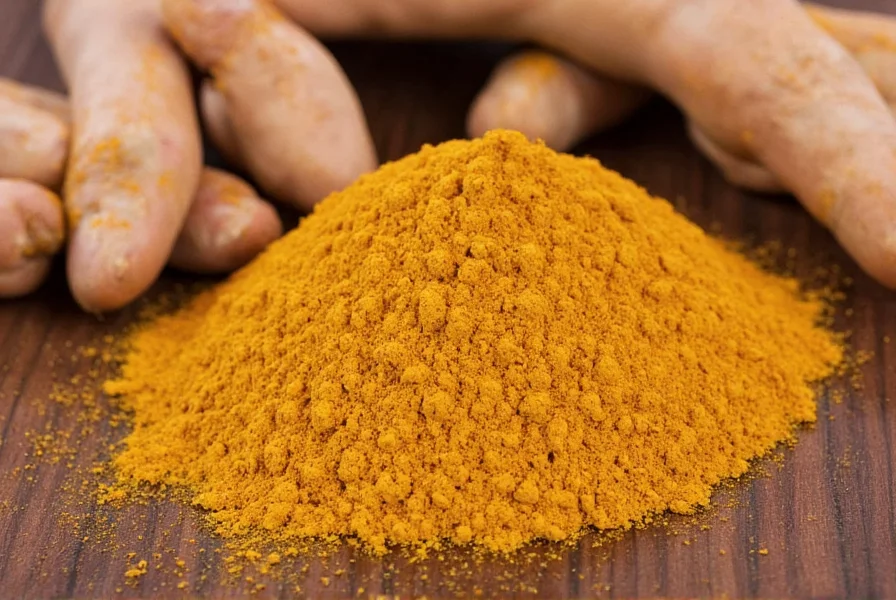
Turmeric, a vibrant yellow spice derived from the Curcuma longa plant, has been used for millennia in traditional Ayurvedic and Chinese medicine (National Center for Complementary and Integrative Health, 2022). Modern scientific research on curcumin, its primary bioactive compound, began in 1910 and has expanded dramatically, with over 18,000 studies published as of 2025 (U.S. National Library of Medicine, 2025). Today, research increasingly validates many of turmeric's traditional uses, particularly for curcumin, which constitutes about 2-8% of most turmeric preparations.
The Science Behind Turmeric's Health Benefits
Curcumin, turmeric's primary bioactive component, demonstrates powerful biological effects. According to a comprehensive review published in Molecules, curcumin interacts with multiple molecular targets involved in inflammation, oxidative stress, and cell signaling pathways. This multi-target action explains turmeric's prominence in health research.
Top Evidence-Based Health Benefits of Turmeric
1. Powerful Anti-Inflammatory Effects
Chronic inflammation contributes to many modern diseases. Curcumin's anti-inflammatory properties compare favorably with some anti-inflammatory drugs, but without the side effects. A 2017 study in Journal of Medicinal Food found that 1,500 mg of curcumin daily reduced inflammatory markers as effectively as common NSAIDs for osteoarthritis patients. This makes turmeric a promising natural alternative for joint pain management.
2. Potent Antioxidant Capacity
Turmeric's benefits include combating oxidative damage, which plays a major role in aging and many diseases. Curcumin neutralizes free radicals while also stimulating the body's own antioxidant enzymes. Research in Oxidative Medicine and Cellular Longevity demonstrates that curcumin's antioxidant effects may protect against cellular damage that contributes to chronic conditions.
3. Brain Health and Cognitive Function
Curcumin increases levels of brain-derived neurotrophic factor (BDNF), a growth hormone that functions in the brain. Low levels of BDNF are linked to depression and Alzheimer's disease. A double-blind, placebo-controlled study published in American Journal of Geriatric Psychiatry showed that curcumin supplementation improved memory and attention in non-demented adults over 18 months.
4. Heart Health Support
Turmeric benefits for cardiovascular health include improving endothelial function (the lining of blood vessels), which regulates blood pressure and clotting. A 2017 review in Nutrients concluded that curcumin supplementation significantly improved endothelial function and reduced markers of inflammation in cardiovascular patients. Understanding the scientific evidence reveals turmeric's potential role in comprehensive heart health strategies.
5. Joint Health and Arthritis Management
Multiple clinical trials have demonstrated turmeric's effectiveness for arthritis symptoms. In a study comparing curcumin to diclofenac (an NSAID) for rheumatoid arthritis, the curcumin group showed the most significant improvement in disease activity scores. This evidence supports turmeric's use for joint pain relief as a viable complementary approach to conventional treatments.
| Health Benefit | Effective Dosage | Timeframe for Results | Scientific Evidence Level |
|---|---|---|---|
| Inflammation Reduction | 500-1,500 mg curcumin | 2-4 weeks | Strong (multiple RCTs) |
| Joint Pain Relief | 1,000 mg curcumin | 4-8 weeks | Strong (multiple RCTs) |
| Antioxidant Support | 500-1,000 mg curcumin | Ongoing benefit | Moderate (observational) |
| Cognitive Function | 80-500 mg curcumin | 3-6 months | Moderate (limited RCTs) |
Understanding Curcumin Bioavailability
One challenge with turmeric is that curcumin has low bioavailability on its own. This explains why traditional preparations often combine turmeric with black pepper. Piperine in black pepper increases curcumin absorption by up to 2,000%. This is why the combination with black pepper is so important for maximizing turmeric's benefits. Consuming turmeric with healthy fats also enhances absorption since curcumin is fat-soluble.
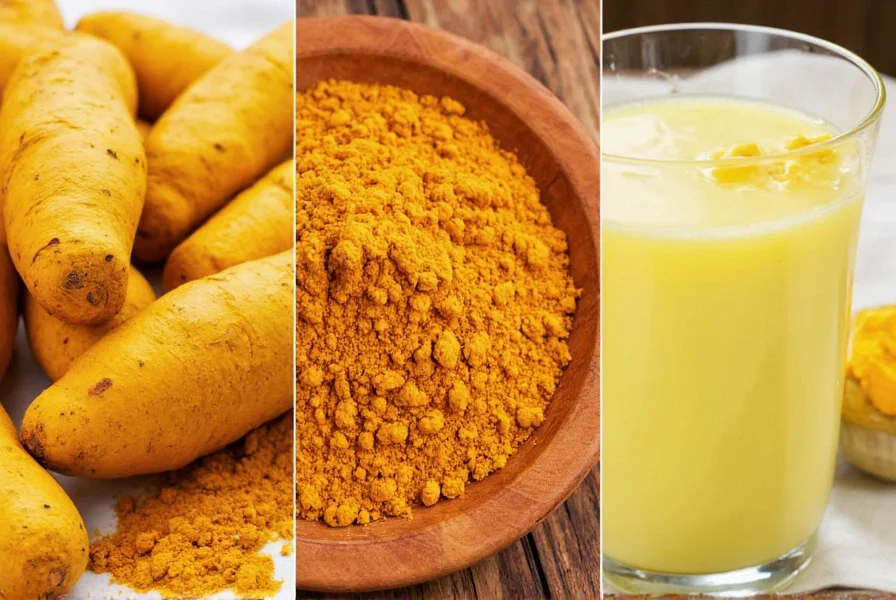
Practical Ways to Incorporate Turmeric
For those wondering how much turmeric to take daily, research suggests effective doses of standardized curcumin extracts typically range from 500-2,000 mg per day. Here are practical ways to include turmeric in your diet:
- Golden milk: Turmeric simmered in warm milk (dairy or plant-based) with black pepper and a healthy fat like coconut oil
- Smoothies: Add 1/2-1 teaspoon of turcumin powder to fruit or vegetable smoothies
- Cooking: Use in curries, soups, roasted vegetables, or rice dishes
- Supplements: Look for formulations containing piperine (black pepper extract) for better absorption
Research Evolution Timeline
Turmeric's journey from traditional remedy to evidence-based supplement reflects evolving scientific understanding. Key milestones include:
- 1910: Curcumin first isolated by Milobedzka et al. (Journal of the Chemical Society)
- 1985: First clinical trial on curcumin's anti-inflammatory effects (Indian Journal of Medical Research)
- 2003: Landmark study demonstrating curcumin's role in NF-kB pathway inhibition (Journal of Biological Chemistry)
- 2017: FDA issues guidance on curcumin bioavailability challenges (U.S. Food and Drug Administration)
- 2025: Over 18,000 peer-reviewed studies validate mechanisms and applications (National Library of Medicine)
Important Considerations and Limitations: Contextual Boundaries
While turmeric offers numerous potential benefits, its effectiveness is highly context-dependent. Based on current evidence from authoritative sources:
- Condition-specific efficacy: Turmeric is most beneficial for mild to moderate osteoarthritis symptoms, with multiple studies showing reduced pain and improved function. However, the National Center for Complementary and Integrative Health (NCCIH) notes inconsistent results for severe osteoarthritis and insufficient evidence for replacing conventional treatments in advanced cases (NCCIH, 2022).
- Bioavailability requirements: Therapeutic benefits require enhanced absorption strategies. The NIH Office of Dietary Supplements states that curcumin's bioavailability is less than 1% without enhancers, and combining with piperine (black pepper extract) increases absorption by up to 2,000%. Thus, culinary use alone is unlikely to achieve the doses used in clinical studies (NIH ODS, 2022).
- Medication interactions: Turmeric may interact with anticoagulants (e.g., warfarin), antiplatelet drugs, and diabetes medications. The NCCIH advises consulting healthcare providers before use if taking these medications due to potential additive effects (NCCIH, 2022).
- Side effects and contraindications: High doses (above 8 grams) may cause gastrointestinal discomfort. Individuals with gallbladder disease should avoid medicinal doses as turmeric may stimulate bile production (NIH ODS, 2022).
These contextual boundaries highlight that turmeric is not a universal solution but a targeted complementary approach requiring specific conditions for optimal benefit.
Conclusion: Realistic Expectations for Turmeric Benefits
Turmeric represents a promising natural compound with substantial scientific backing for specific health applications. When evaluating the scientific evidence, it's clear that while not a miracle cure, it offers meaningful support for inflammation management, joint health, and overall wellness when used appropriately. The key to maximizing benefits lies in consistent use of properly formulated products that address curcumin's bioavailability challenges.
References
- National Center for Complementary and Integrative Health. (2022). Turmeric. Retrieved November 2025, from https://www.nccih.nih.gov/health/turmeric
- National Institutes of Health, Office of Dietary Supplements. (2022). Turmeric - Health Professional Fact Sheet. Retrieved November 2025, from https://ods.od.nih.gov/factsheets/Turmeric-HealthProfessional/
- U.S. National Library of Medicine. (2025). Curcumin Publication Trends. Retrieved November 2025, from https://pubmed.ncbi.nlm.nih.gov/?term=curcumin




 浙公网安备
33010002000092号
浙公网安备
33010002000092号 浙B2-20120091-4