

Many viral "turmeric tricks" promise dramatic weight loss results with minimal effort. The truth? Research indicates curcumin—the primary bioactive compound in turmeric—may modestly support metabolic health through anti-inflammatory effects and potential influence on fat tissue regulation. However, these benefits require consistent use of properly formulated curcumin alongside evidence-based weight management strategies.
What Science Actually Says About Turmeric and Weight Management
Multiple clinical studies have examined curcumin's potential role in weight management. A comprehensive 2017 review published in Evidence-Based Complementary and Alternative Medicine analyzed 22 clinical trials involving 1,339 participants. The research suggests curcumin may help reduce body mass index (BMI), waist circumference, and body fat percentage—but these effects were modest and occurred alongside dietary changes.
| Common Claim | Scientific Reality | Research Status |
|---|---|---|
| Turmeric tea melts belly fat overnight | No evidence for rapid fat loss; effects require consistent use over months | Myth |
| Curcumin reduces inflammation linked to obesity | Multiple studies confirm anti-inflammatory properties affecting adipose tissue | Well-supported |
| Golden milk alone causes significant weight loss | No evidence as standalone solution; may support comprehensive approach | Overstated |
| Curcumin improves insulin sensitivity | Several studies show modest improvements in metabolic markers | Moderately supported |
The National Institutes of Health notes that typical culinary turmeric contains only 2-8% curcumin by weight. Most clinical studies showing metabolic benefits used standardized curcumin extracts providing 80-1,000 mg of curcumin daily—far more than you'd get from occasional turmeric tea or golden milk.
How Turmeric Might Support Your Weight Management Strategy
While not a weight loss solution itself, turmeric may complement evidence-based approaches through several biological mechanisms:
- Anti-inflammatory effects: Chronic inflammation correlates with obesity; curcumin's potent anti-inflammatory properties may help address this underlying factor
- Metabolic regulation: Some research suggests curcumin may influence genes involved in fat metabolism
- Blood sugar management: Preliminary studies indicate potential benefits for insulin sensitivity
- Oxidative stress reduction: May support overall metabolic health by reducing cellular damage
A 2020 randomized controlled trial in Nutrients found that participants taking 1,000 mg of curcumin daily while following a calorie-controlled diet lost significantly more weight and body fat than the control group over 30 days. The researchers emphasized that curcumin enhanced—but didn't replace—the effects of dietary changes.
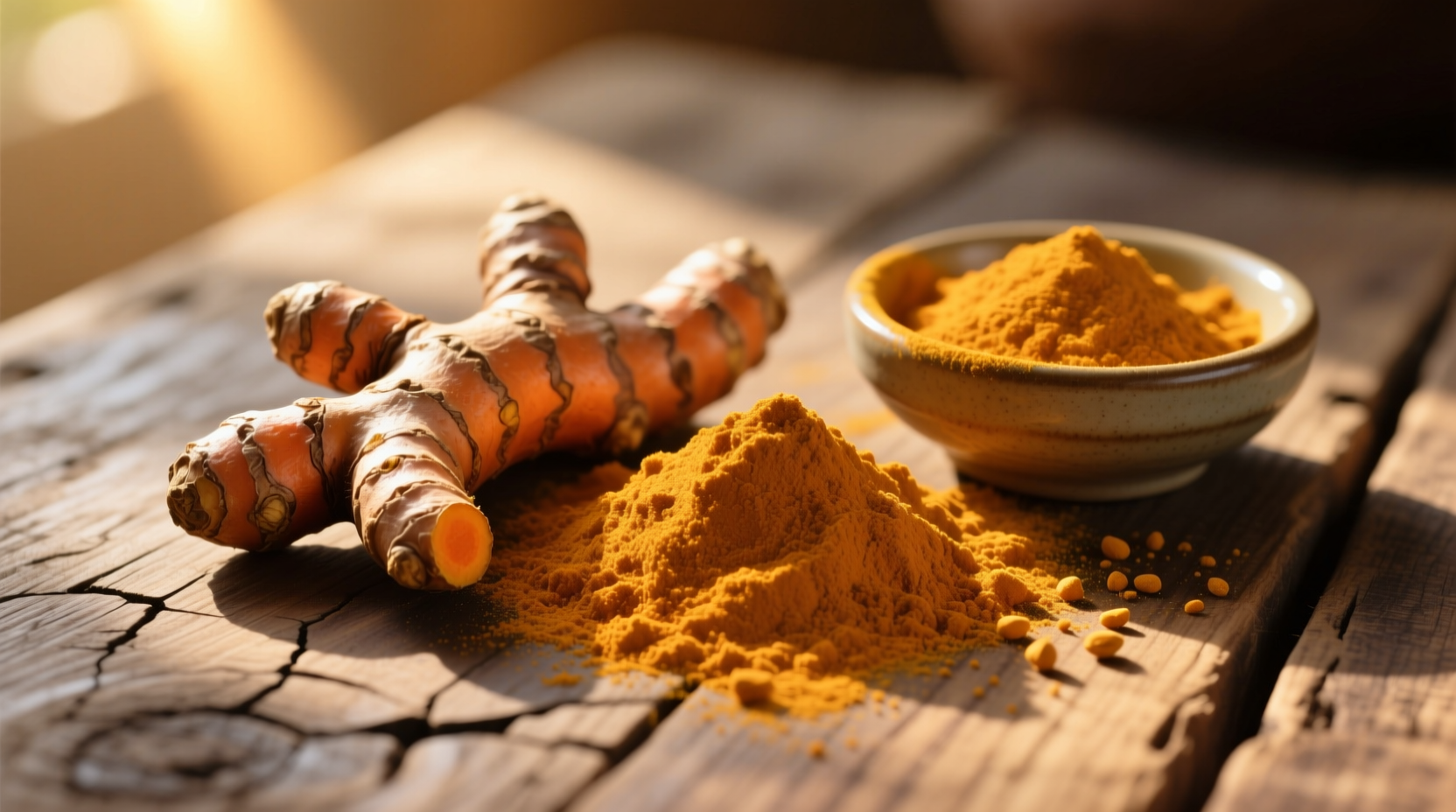
Practical Guidelines for Using Turmeric Effectively
To potentially benefit from turmeric's properties, follow these evidence-based recommendations:
Maximize Absorption
Curcumin has notoriously poor bioavailability. Combine turmeric with:
- Black pepper (contains piperine which increases absorption by 2,000%)
- Healthy fats (curcumin is fat-soluble)
- Heat (gentle cooking improves extractability)
Dosage Considerations
For potential metabolic benefits:
- Culinary use: 1-3 grams of turmeric powder daily (about ½-1½ teaspoons)
- Supplemental use: 500-1,000 mg standardized curcumin extract (look for formulations with absorption enhancers)
- Always consult your healthcare provider before starting supplements
Realistic Incorporation Methods
- Add to morning smoothies with black pepper and coconut milk
- Use in roasted vegetable dishes with olive oil
- Prepare golden milk with almond milk, cinnamon, and a pinch of black pepper
- Include in soups and stews during cooking
Important Limitations and Context Boundaries
Turmeric's potential weight management benefits operate within specific parameters. Understanding these context boundaries prevents unrealistic expectations:
- Not a standalone solution: Curcumin shows most promise when combined with calorie-controlled diets and regular exercise
- Timeframe matters: Most studies showing benefits required consistent use for 4-12 weeks
- Dosage threshold: Culinary amounts provide minimal curcumin; significant effects typically require supplemental doses
- Individual variation: Genetic factors affect how people metabolize curcumin
- Quality differences: Turmeric potency varies significantly by source and processing
The Mayo Clinic emphasizes that no spice or supplement can overcome the fundamental principle of weight management: calories consumed must be less than calories burned. Turmeric may offer supportive benefits, but it doesn't change this basic equation.
Avoiding Common Misconceptions
Many popular "turmeric tricks" oversimplify or misrepresent the science. Be aware of these common misconceptions:
- The overnight detox myth: No evidence supports dramatic overnight results from turmeric lemon water or similar concoctions
- The sole solution fallacy: Turmeric cannot compensate for poor dietary choices or sedentary lifestyle
- The more is better误区: Extremely high doses may cause gastrointestinal issues without additional benefits
- The instant results expectation: Metabolic changes occur gradually, not immediately
When evaluating "turmeric weight loss tricks" online, look for references to peer-reviewed research rather than anecdotal claims. Reputable sources will acknowledge limitations and emphasize comprehensive approaches.
Your Evidence-Based Action Plan
For those interested in incorporating turmeric as part of a healthy weight management strategy:
- Focus first on evidence-based fundamentals: balanced nutrition, portion control, and regular physical activity
- Consider adding culinary turmeric to meals (½-1 teaspoon daily) with black pepper and healthy fats
- If using supplements, choose standardized curcumin with absorption enhancers (consult your doctor first)
- Track your overall dietary patterns rather than focusing on single ingredients
- Be patient—any potential benefits develop gradually over weeks or months
Remember that sustainable weight management comes from consistent lifestyle patterns, not isolated "tricks." Turmeric may offer supportive benefits as part of this comprehensive approach, but it's not a magic solution.




 浙公网安备
33010002000092号
浙公网安备
33010002000092号 浙B2-20120091-4