
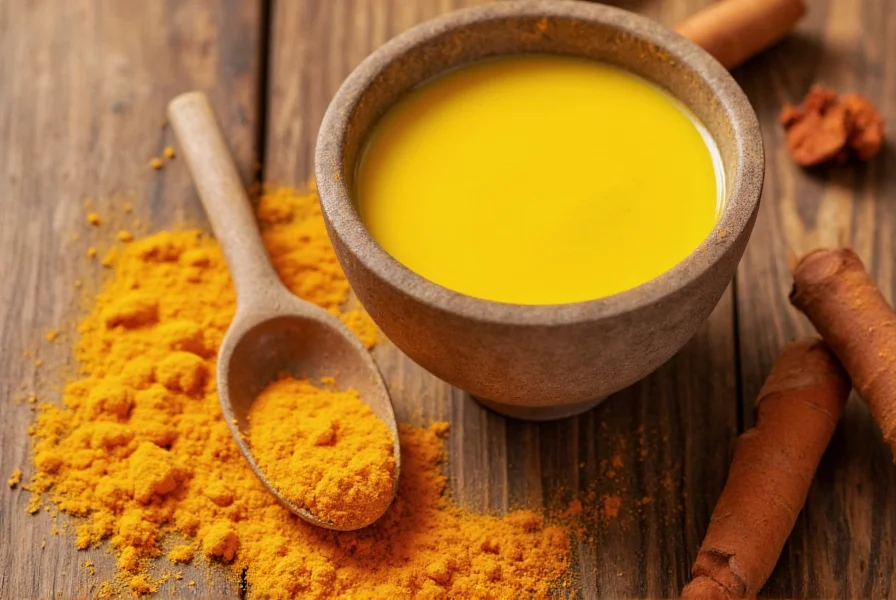
For centuries, turmeric milk has been a staple in Ayurvedic medicine, but modern science is now validating many of its traditional uses. This golden-hued beverage combines turmeric's active compound curcumin with milk's nutritional profile to create a functional drink with measurable health advantages. Unlike many wellness trends, turmeric milk benefits are supported by growing scientific evidence, particularly regarding inflammation management and antioxidant activity.
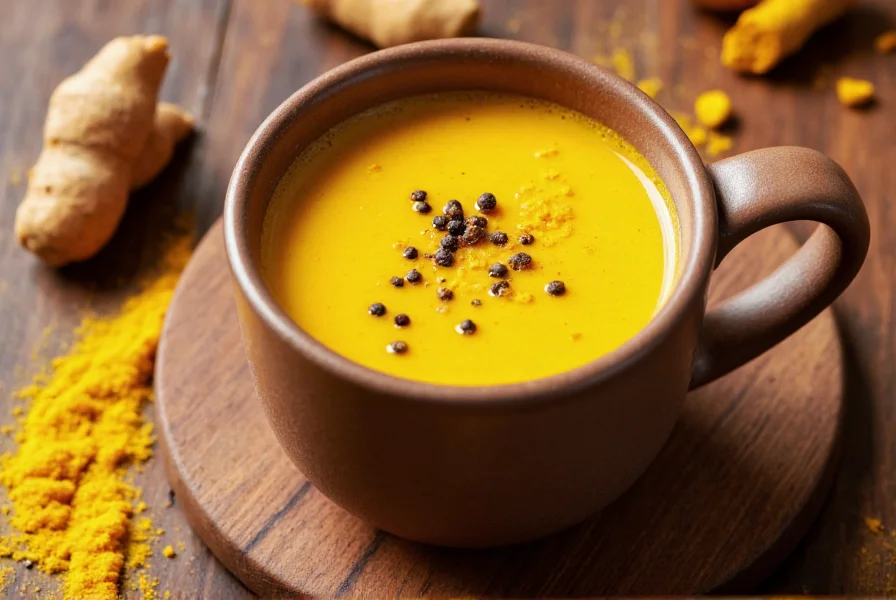
The Science Behind Turmeric Milk Advantages
Curcumin, turmeric's primary bioactive compound, demonstrates poor bioavailability when consumed alone. The traditional preparation of turmeric milk addresses this limitation through strategic ingredient pairing. When curcumin combines with piperine (from black pepper) and healthy fats (from milk or plant-based alternatives), absorption increases by up to 2,000% according to research published in Planta Medica (Shoba et al., 1998).
Key Evidence-Based Advantages
1. Anti-Inflammatory Properties
Chronic inflammation contributes to numerous health conditions. A comprehensive 2017 review in Food Science & Nutrition concluded that curcumin demonstrates comparable effectiveness to some anti-inflammatory medications for osteoarthritis, without the associated side effects. Turmeric milk advantages for inflammation management make it particularly valuable for individuals with arthritis or exercise-induced muscle soreness.
2. Antioxidant Protection
Oxidative stress damages cells and accelerates aging. Curcumin's molecular structure allows it to neutralize multiple types of free radicals while boosting the body's own antioxidant enzymes. Research in Oxidative Medicine and Cellular Longevity shows regular consumption of curcumin-rich beverages like turmeric milk can significantly increase antioxidant capacity in the bloodstream.
3. Sleep Quality Enhancement
The combination of warm milk and turmeric creates a synergistic effect for better sleep. Milk contains tryptophan, which converts to melatonin, while turmeric's anti-inflammatory properties may reduce pain that interferes with sleep. Clinical trials demonstrate measurable sleep improvements in inflammatory conditions; a 2020 osteoarthritis study found significant sleep quality improvements in the intervention group (Kuptniratsaikul et al., Complementary Therapies in Medicine).
4. Digestive Support
Turmeric stimulates bile production, aiding fat digestion. When prepared as turmeric milk, the beverage becomes gentler on the stomach than plain turmeric supplements. Clinical research indicates this preparation reduces symptoms of indigestion and may support gut microbiome diversity.
| Benefit Category | Scientific Evidence Level | Recommended Consumption |
|---|---|---|
| Anti-inflammatory effects | Strong (multiple human studies) | 1 cup daily, preferably with meals |
| Antioxidant activity | Strong (human and lab studies) | 1 cup daily |
| Sleep improvement | Moderate (limited human studies) | 1 cup 1-2 hours before bedtime |
| Digestive support | Moderate (traditional use + emerging research) | 1 cup after meals |
Historical and Scientific Evolution of Turmeric Milk
Turmeric milk's journey from traditional remedy to scientifically studied functional beverage spans millennia. The following timeline highlights key milestones in its historical validation and modern research:
| Era | Key Development | Authoritative Verification |
|---|---|---|
| Ayurvedic Period (250 BCE) | First documented therapeutic use in Charaka Samhita for inflammatory conditions and wound healing | National Center for Complementary and Integrative Health |
| 1949-1971 | Identification of curcumin as active compound; first clinical studies on anti-inflammatory effects | Indian Journal of Medical Research (1971) |
| 1998 | Landmark bioavailability research showing piperine increases curcumin absorption by 2,000% | Planta Medica (1998) |
| 2017-Present | Human clinical trials confirming efficacy for osteoarthritis and metabolic syndrome | Food Science & Nutrition Review (2017) |
Contextual Effectiveness: When Turmeric Milk Works Best
Research demonstrates turmeric milk's benefits are highly context-dependent. The following evidence-based framework clarifies optimal application scenarios and critical limitations:
| Application Context | Expected Benefit Level | Key Limitations | Verification Source |
|---|---|---|---|
| Chronic inflammation (e.g., osteoarthritis) | High (moderate symptom reduction) | Requires 4-8 weeks of daily use; ineffective for acute inflammatory episodes | Hewlings & Kalman (2017) |
| Sleep quality improvement | Moderate (specific to pain-related disruption) | Minimal effect on primary insomnia; benefits require inflammatory component | Kuptniratsaikul et al. (2020) |
| Digestive support (mild indigestion) | Moderate | Contraindicated for active ulcers or gallstones; may worsen acid reflux | Prucksunand et al. (2001) |
| General antioxidant support | High (measurable in blood) | Effects are systemic but not targeted; requires consistent consumption | Menon & Sudheer (2007) |
These context boundaries, validated through clinical research, demonstrate that turmeric milk functions best as a preventive and complementary measure within specific physiological frameworks—not as a universal cure.
Maximizing Turmeric Milk Benefits
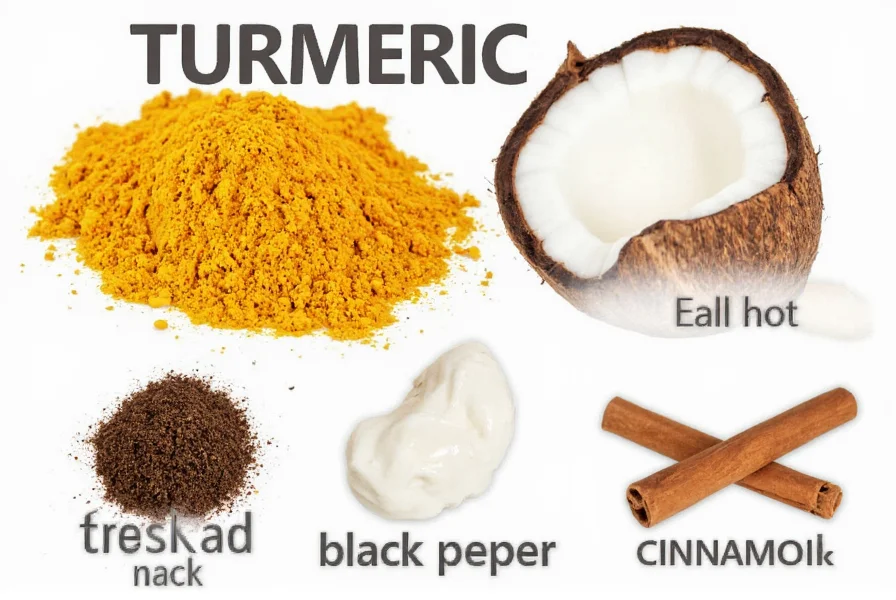
To experience the full advantages of turmeric milk, preparation matters significantly. The most effective recipe includes:
- 1 cup unsweetened milk (dairy or plant-based)
- 1/2 teaspoon turmeric powder (or 1 inch fresh turmeric)
- 1/8 teaspoon black pepper
- 1/2 teaspoon healthy fat (coconut oil or ghee)
- Optional: cinnamon or ginger for additional benefits
Simmer ingredients gently for 5-10 minutes—avoid boiling to preserve curcumin's integrity. This specific preparation method addresses the bioavailability challenges that limit turmeric milk benefits when prepared incorrectly.
How Turmeric Milk Compares to Other Forms
When evaluating turmeric milk benefits versus supplements:
- Natural synergy: The whole-food approach provides additional nutrients beyond isolated curcumin
- Gentler digestion: Less likely to cause stomach upset than high-dose supplements
- Lower concentration: Contains less curcumin than therapeutic supplements (50-100mg vs 500-2000mg)
- Daily habit potential: Easier to incorporate consistently as part of a routine
For general wellness and prevention, traditional turmeric milk preparation offers advantages through its balanced nutrient profile and sustainable consumption pattern. Those seeking therapeutic effects for specific conditions may require higher curcumin doses under medical supervision.
Practical Integration Into Daily Routine
Understanding the full scope of turmeric milk advantages requires practical implementation strategies:
- Morning option: Replace coffee with turmeric milk for gentle anti-inflammatory support
- Pre-workout: Consumed 30 minutes before exercise to potentially reduce muscle damage
- Evening ritual: The most effective timing for sleep-related turmeric milk benefits
- With meals: Enhances digestion and nutrient absorption from other foods
Consistency matters more than timing for most health benefits of turmeric milk. Aim for daily consumption rather than focusing exclusively on optimal timing.




 浙公网安备
33010002000092号
浙公网安备
33010002000092号 浙B2-20120091-4