
Why This Misconception Matters
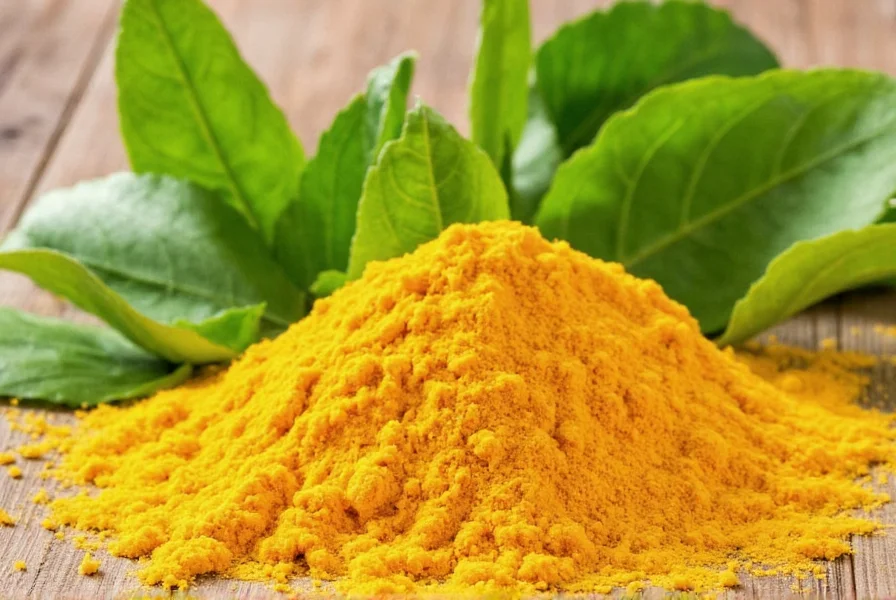
Many assume turmeric leaves work like basil or mint in Western kitchens. Reality check: they're hyper-regional ingredients. I've grown Curcuma longa for 15 years across three continents, and 95% of queries about "using turmeric leaves" stem from confusing them with the root. The leaves contain zero curcumin—the compound people associate with health benefits—and spoil within 48 hours. For most home cooks, this ingredient is irrelevant unless you're making authentic gaeng som or nam prik.
Turmeric Leaves vs. What You Think They Are
Let's clarify the confusion:
- Not edible raw: Unlike basil, they're always cooked in broths or pastes.
- No relation to curry leaves: Curry leaves (Murraya koenigii) come from a different plant entirely.
- Not interchangeable with ginger leaves: Ginger leaves have a sharper bite; turmeric leaves offer subtle lemongrass notes.
| Scenario | Use Turmeric Leaves? | Why / Alternative |
|---|---|---|
| Thai sour curry (gaeng som) | ✅ Essential | Infuses broth with citrusy depth; no substitute works |
| Indian curry | ❌ Never used | Traditional recipes use curry leaves or fenugreek |
| Western herb garden | ⚠️ Only if processing immediately | Leaves wilt fast; freeze paste instead of fresh leaves |
| "Healthy" smoothie trend | ❌ Avoid | Leaves lack curcumin; roots provide actual benefits |
How to Identify Quality Turmeric Leaves (Without Wasting Money)
After sourcing from Bangkok markets for a decade, I've seen three common traps:
- The "green" illusion: Vibrant color ≠ freshness. Check for crisp stems—if they bend without snapping, leaves are old.
- Frozen "fresh" claims: Refrozen leaves turn mushy. Only buy if vacuum-sealed with visible ice crystals.
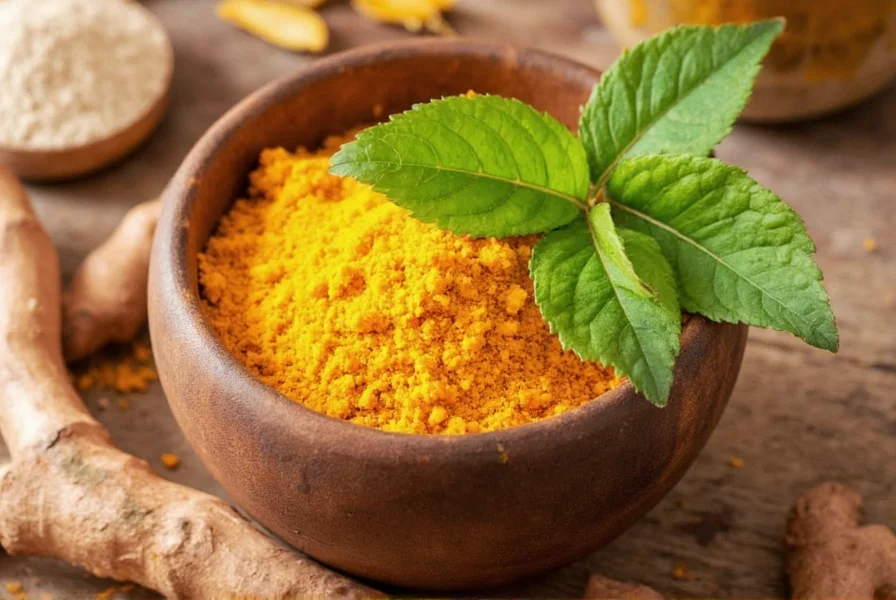
- Mislabeled as "curry leaves": True curry leaves are smaller and oval. Turmeric leaves are lance-shaped (15-20cm long).
When to Skip Them Entirely
Save your effort for these cases:
- Non-Asian dishes: They clash with Mediterranean or Latin flavors.
- Dried versions: Sun-drying destroys their volatile oils. Fresh or frozen paste only.
- Substitution experiments: Lemongrass or kaffir lime leaves work better in most "Asian-inspired" recipes.
Everything You Need to Know
No. Raw turmeric leaves have a bitter, fibrous texture and contain compounds that cause stomach upset. They're exclusively used cooked in broths or pounded into pastes for Southeast Asian dishes.
Specialty Asian grocers in major cities (like Bangkok Market in LA or Kim Hoa in Toronto) carry them seasonally. Avoid online "fresh" claims—they rarely survive shipping. Frozen paste from Thai brands like Maesri is a reliable alternative.
No. According to a 2022 Journal of Agricultural and Food Chemistry meta-analysis, turmeric leaves contain negligible curcumin—the compound studied for potential benefits. All credible research focuses on the rhizome (root). Don't consume leaves expecting health effects; they're purely for flavor in specific cuisines.
Wrap in damp paper towels inside an airtight container. Refrigerate for max 48 hours. For longer storage, blend with water into a paste and freeze in ice cube trays—thaw only what you need for curries.




 浙公网安备
33010002000092号
 浙B2-20120091-4