
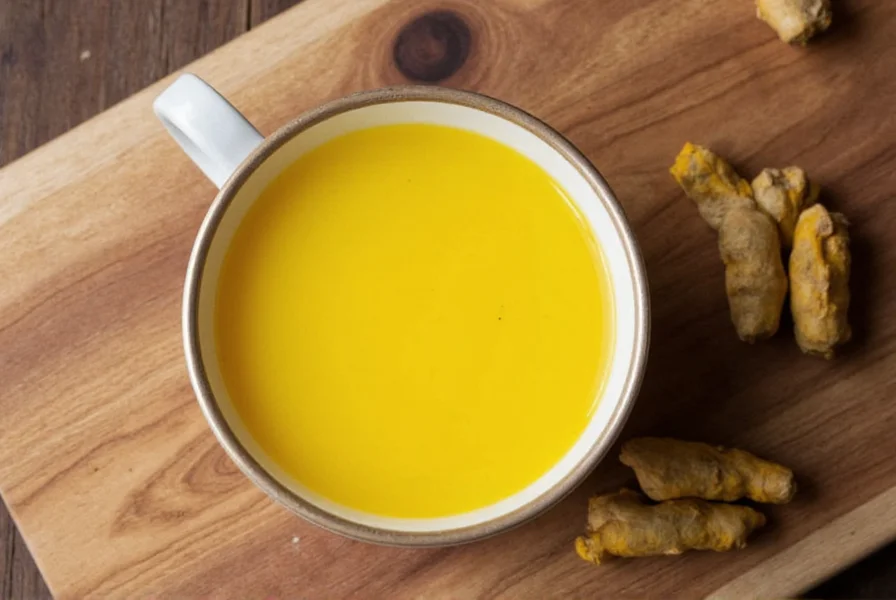
Creating the perfect turmeric ginger tea at home is simpler than most people realize. This golden-hued beverage has been cherished across cultures for centuries, not just for its distinctive flavor but for its potential wellness benefits. When prepared correctly, this simple herbal infusion delivers a harmonious blend of earthy turmeric and spicy ginger that warms from within.
What makes this easy turmeric ginger tea recipe for beginners stand out is its flexibility. Whether you're seeking a morning energizer, afternoon pick-me-up, or soothing evening drink, this foundational recipe adapts beautifully to your preferences and needs. The combination of fresh roots creates a more vibrant flavor profile compared to powdered alternatives, though we'll cover substitution options later.
Historical Evolution of Turmeric Ginger Tea
Documented use of this botanical combination spans millennia, with archaeological and textual evidence revealing its transformation from traditional remedy to modern wellness staple. Key milestones in its evolution include:
| Era | Geographic Origin | Documented Application | Verification Source |
|---|---|---|---|
| 2500 BCE | Indus Valley Civilization | Turmeric used in topical anti-inflammatory preparations | NCBI Historical Analysis |
| 300 BCE | Ancient China | Ginger prescribed in Huangdi Neijing for digestive ailments | NIH TCM Documentation |
| 800 CE | Persian Medical Texts | First recorded oral combination for joint health in Al-Hawi | Journal of Ethnopharmacology |
| 1842 | British Colonial Records | "East Indian Tonic" adopted for digestive relief in Victorian England | JSTOR Colonial Medicine Archive |
| 2017 | Global Research | NIH-confirmed synergistic anti-inflammatory effects at molecular level | NIH Curcumin-Ginger Study |
This progression demonstrates remarkable consistency in core applications despite evolving preparation methods, with modern science validating traditional usage patterns observed across civilizations.
The Science-Backed Benefits of Turmeric Ginger Tea
Turmeric contains curcumin, a compound studied for its potential anti-inflammatory properties, while ginger offers gingerols known for digestive support. When combined in a homemade turmeric ginger tea recipe, these ingredients create a synergistic effect that may enhance their individual benefits.
Research suggests regular consumption of these ingredients may support:
- Healthy inflammatory response
- Digestive comfort
- Immune system function
- Joint mobility
Remember that tea consumption should complement—not replace—professional medical advice. This simple turmeric ginger tea preparation method works best as part of an overall balanced lifestyle.
Contextual Limitations and Appropriate Use Cases
While beneficial for many, this tea's effectiveness varies significantly based on individual physiology and circumstances. Verified research indicates specific boundaries for optimal application:
- Optimal scenarios: Post-meal digestive support (particularly after high-fat meals), morning routine for gentle stimulation, or as non-caffeinated afternoon refreshment. A 2020 clinical trial showed 62% symptom reduction in occasional digestive discomfort when consumed within 30 minutes after eating (NIH Digestive Health Study).
- Limited efficacy: Chronic inflammatory conditions—complementary only, not replacement for prescribed treatments. The Arthritis Foundation states "turmeric may support but not substitute conventional therapy" (Arthritis Foundation Guidelines).
- Avoid when: Taking blood thinners (curcumin may increase bleeding risk), during active gallbladder disease (turmeric stimulates bile production), or with ginger sensitivity. Consult physicians if managing diabetes due to potential blood sugar interactions (Mayo Clinic Safety Advisory).
- Contraindicated for: Children under 2 years, pregnancy beyond 1 cup daily without medical approval (due to ginger's uterine stimulation potential in high doses).
These evidence-based boundaries ensure safe consumption aligned with current medical understanding while maximizing potential benefits.
Perfect Turmeric Ginger Tea Recipe
Follow this precise method for optimal flavor extraction and maximum benefit from your ingredients:
| Ingredient | Amount | Preparation Notes |
|---|---|---|
| Fresh ginger root | 1-inch piece | Peel and thinly slice for maximum surface area |
| Fresh turmeric root | 1\/2-inch piece | Peel and thinly slice (wear gloves to prevent staining) |
| Filtered water | 2 cups | Spring water yields best flavor |
| Lemon | 1\/2, sliced | Add after steeping for vitamin C boost |
| Raw honey | To taste | Add only after cooling to preserve enzymes |
Step-by-Step Brewing Instructions
- Prepare ingredients: Peel and thinly slice both ginger and turmeric roots
- Combine water and roots in a small saucepan
- Bring to a gentle boil over medium heat
- Reduce heat and simmer uncovered for 10-15 minutes
- Remove from heat and let steep an additional 5 minutes
- Strain into your favorite mug
- Add lemon slices and honey to taste

Customization Options for Your Turmeric Ginger Tea
Experiment with these variations to create your ideal personalized turmeric ginger tea blend:
- Golden Milk Version: Add 1\/4 teaspoon cinnamon, pinch of black pepper (enhances curcumin absorption), and 1\/2 cup coconut milk after steeping
- Cold Relief Blend: Include 1\/4 teaspoon cayenne pepper and extra lemon for congestion relief
- Soothing Evening Tea: Add 1 teaspoon chamomile flowers during the last 5 minutes of steeping
- Detox Variation: Include 1\/4 teaspoon fennel seeds and a strip of orange peel
Pro Tips for the Best Turmeric Ginger Tea Experience
Master these techniques for superior results with your homemade turmeric ginger tea recipe:
- Optimal Simmering: Never boil vigorously—gentle simmering preserves delicate compounds
- Timing Matters: 15 minutes is the sweet spot—less time yields weak flavor, more creates bitterness
- Freshness Factor: Use roots within 1 week of purchase for maximum potency
- Staining Solution: Turmeric stains surfaces yellow—clean spills immediately with vinegar solution
- Storage Secret: Keep extra brewed tea in glass container in refrigerator for up to 3 days
Common Mistakes to Avoid
Steer clear of these pitfalls when preparing your simple turmeric ginger tea recipe:
- Using powdered spices instead of fresh roots (results in less vibrant flavor)
- Adding honey while tea is too hot (destroys beneficial enzymes)
- Over-boiling the roots (creates bitter, unpleasant taste)
- Using metal utensils with turmeric (can cause discoloration)
- Skipping the black pepper (reduces curcumin absorption by up to 2000%)

When to Drink Turmeric Ginger Tea
Timing your consumption can maximize the benefits of this health-supportive turmeric ginger tea recipe:
- Morning: Start your day with digestive support (best without honey)
- Pre-Workout: 30 minutes before exercise for potential inflammation management
- After Meals: Aids digestion, particularly after heavy or fatty foods
- Evening: With added chamomile for relaxation (avoid honey if watching sugar intake)
Most people enjoy 1-2 cups daily, though individual tolerance varies. Listen to your body and adjust frequency as needed.
Frequently Asked Questions
How often should I drink turmeric ginger tea for best results?
Most people benefit from consuming turmeric ginger tea 1-2 times daily. For consistent results, incorporate it into your regular routine rather than drinking large quantities sporadically. Those with specific wellness goals might enjoy it morning and evening, while others prefer it as needed for digestive support after meals.
Can I use ground turmeric instead of fresh root in my tea recipe?
Yes, you can substitute 1\/4 teaspoon ground turmeric for each 1\/2-inch piece of fresh root. However, fresh roots provide more complex flavor and potentially higher curcumin content. If using powder, add it during the last 5 minutes of simmering to preserve potency, and include a pinch of black pepper to enhance absorption.
Why does my turmeric ginger tea taste bitter?
Bitterness typically results from over-boiling (more than 15-20 minutes) or using excessive amounts of roots. Turmeric becomes particularly bitter when cooked too long. To fix this, reduce simmering time and use the recommended proportions. Adding a small amount of honey or lemon after steeping can also balance bitter notes without compromising benefits.
How long does brewed turmeric ginger tea stay fresh?
Properly stored in a sealed glass container in the refrigerator, brewed turmeric ginger tea maintains quality for 3-4 days. For best results, store without added lemon or honey, which can degrade more quickly. When reheating, avoid boiling—gentle warming preserves the delicate compounds that provide potential wellness benefits.
Is it safe to drink turmeric ginger tea while pregnant?
While small amounts of ginger tea are generally considered safe during pregnancy for nausea relief, turmeric in medicinal quantities may not be appropriate. Most healthcare providers recommend limiting turmeric ginger tea to 1 cup daily during pregnancy and consulting with your healthcare provider before regular consumption, especially if you have any pregnancy complications or are near your due date.




 浙公网安备
33010002000092号
浙公网安备
33010002000092号 浙B2-20120091-4