
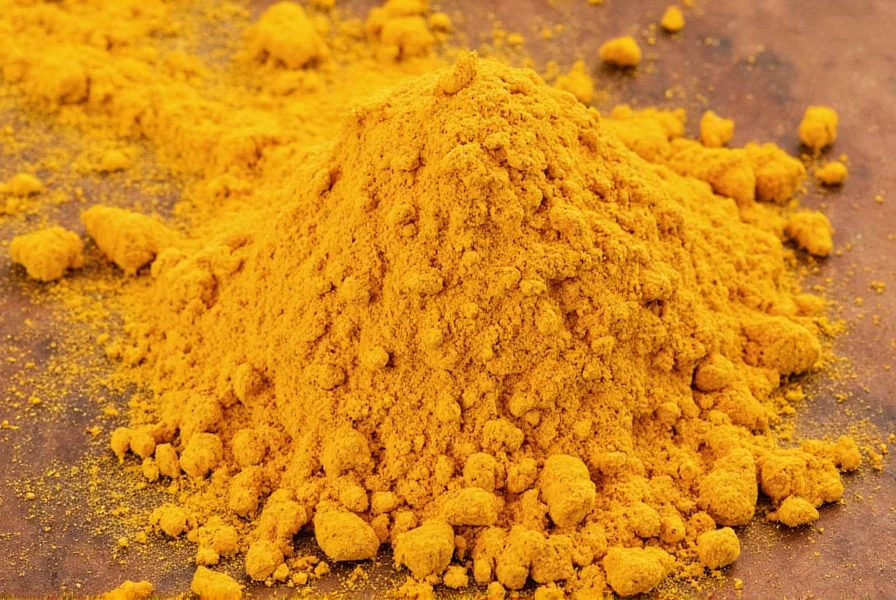
For centuries, traditional medicine systems have recognized the individual health properties of turmeric, ginger, and black pepper. Modern science now confirms that when used together, these common kitchen spices create a synergistic effect that significantly boosts their individual benefits, particularly through the interaction between curcumin (in turmeric) and piperine (in black pepper).
The Scientific Basis of This Powerful Combination
Understanding why this specific trio works so well requires examining each component's active compounds and their interactions. Turmeric contains curcumin, which has potent anti-inflammatory properties but suffers from poor bioavailability on its own. Ginger contains gingerols and shogaols that provide additional anti-inflammatory and digestive benefits. Black pepper contains piperine, which is the key to unlocking turmeric's potential.
Research published in Planta Medica demonstrated that just 20mg of piperine can increase curcumin bioavailability by 2000%. This dramatic enhancement occurs because piperine inhibits certain enzymes in the liver and intestinal wall that would otherwise break down curcumin before the body can absorb it.
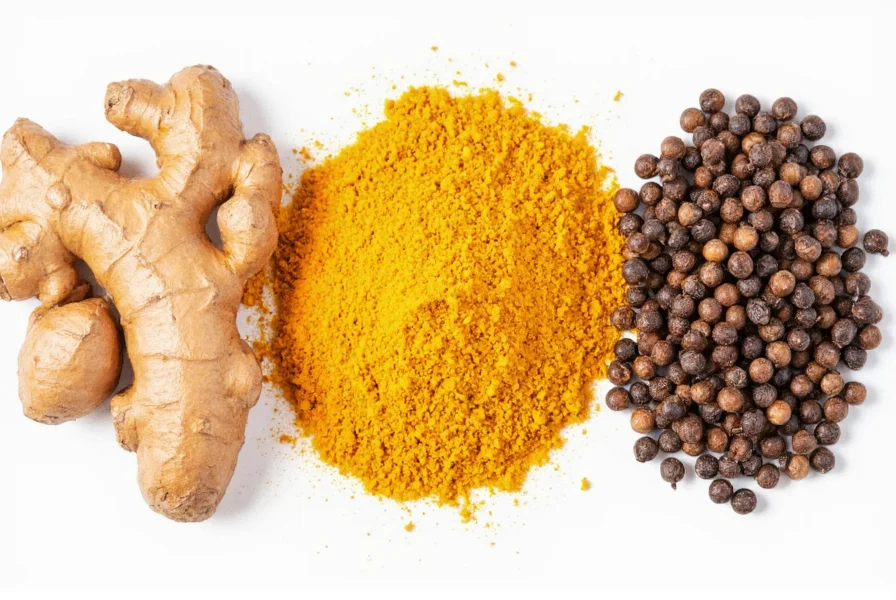
How These Spices Work Together
The synergy between these three ingredients creates multiple health advantages:
| Component | Active Compound | Primary Benefits | Synergistic Effect |
|---|---|---|---|
| Turmeric | Curcumin | Anti-inflammatory, antioxidant | Enhanced absorption with piperine |
| Ginger | Gingerols | Digestive support, nausea relief | Complementary anti-inflammatory action |
| Black Pepper | Piperine | Bioavailability enhancer | Increases curcumin absorption 20x |
Evidence-Based Health Benefits
When combined properly, this trio delivers enhanced benefits compared to individual use:
Superior Anti-Inflammatory Effects
Chronic inflammation underlies many modern diseases. The combination of curcumin's NF-kB pathway inhibition, ginger's COX-2 suppression, and piperine's absorption enhancement creates a more comprehensive anti-inflammatory effect. A 2016 study in Food & Function found the combination significantly reduced inflammatory markers compared to curcumin alone.
Enhanced Antioxidant Protection
Together, these spices provide a broader spectrum of antioxidant activity. Curcumin neutralizes multiple types of free radicals, ginger adds additional radical-scavenging capacity, and piperine helps maintain these compounds in the body longer. This comprehensive protection helps combat oxidative stress throughout the body.
Joint Health Support
Research suggests this combination may particularly benefit joint health. A clinical trial published in Journal of Medicinal Food reported that participants taking curcumin with piperine experienced significantly greater reduction in joint discomfort compared to placebo, with ginger providing additional support for mobility.
Optimal Usage Guidelines
To maximize benefits from this powerful combination, proper usage matters:
Ideal Ratios and Formulation
For maximum effectiveness, aim for these ratios:
- Turmeric: 500-2000mg standardized curcumin extract (or 1-3g fresh turmeric)
- Ginger: 250-1000mg ginger extract (or 1-2g fresh ginger)
- Black pepper: At least 5-10mg piperine (approximately 1/20 to 1/10 teaspoon)
When using fresh ingredients, add black pepper to cooked turmeric dishes. The heat from cooking helps release curcumin, while the piperine ensures better absorption. Adding a healthy fat like coconut oil or olive oil further enhances absorption.
Daily Incorporation Strategies
You don't need supplements to benefit from this combination. Try these simple approaches:
- Golden milk: Turmeric, ginger, black pepper, and coconut milk
- Spice blend for cooking: Mix equal parts turmeric and ginger powder with 1/10 part black pepper
- Morning tea: Fresh ginger and turmeric steeped with a few black peppercorns
- Smoothie booster: Add small amounts of all three to fruit smoothies
Safety Considerations and Potential Interactions
While generally safe for most people, this powerful combination requires some precautions:
Medication Interactions
Piperine's enzyme-inhibiting properties can affect how certain medications are metabolized. Consult your healthcare provider if you take:
- Blood thinners (piperine may enhance effects)
- Diabetes medications (turmeric may lower blood sugar)
- Chemotherapy drugs (potential interactions)
- Antidepressants (particularly MAOIs)
Digestive Sensitivity
Some people experience digestive discomfort when starting this combination. Begin with small amounts and gradually increase. Those with gallbladder issues should consult a healthcare provider before using significant amounts of turmeric.
Evaluating Quality and Sourcing
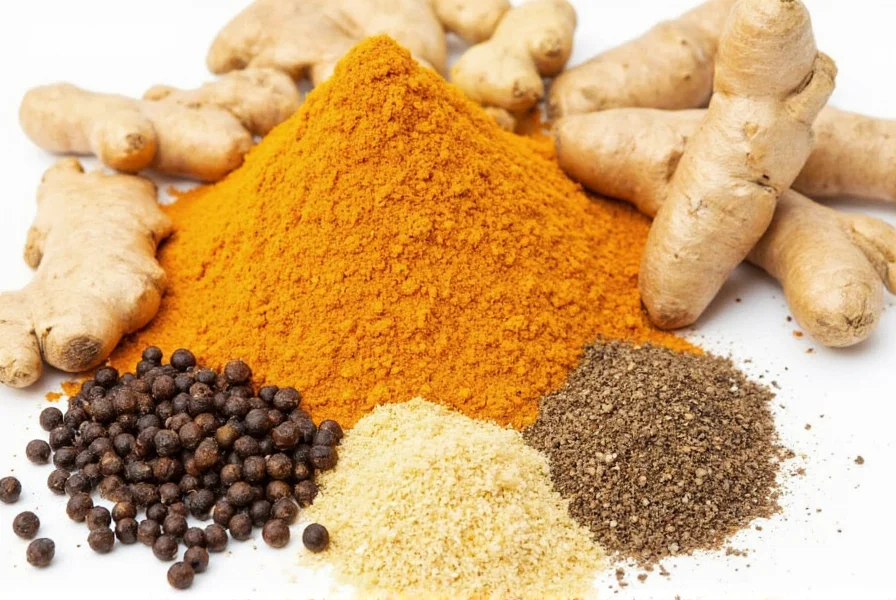
Not all turmeric, ginger, and black pepper products offer equal benefits. Consider these quality factors:
- Purity: Look for products tested for heavy metals and contaminants
- Standardization: For supplements, check for standardized curcumin (95%) and piperine (95%) content
- Freshness: Whole peppercorns retain piperine better than pre-ground pepper
- Sustainability: Choose products with transparent sourcing practices
When purchasing fresh ingredients, select vibrant, firm turmeric and ginger roots with smooth skin. For black pepper, whole peppercorns maintain potency longer than pre-ground versions.
Realistic Expectations for Health Benefits
While research on this combination is promising, it's important to maintain realistic expectations. This trio works best as part of a comprehensive approach to health that includes a balanced diet, regular exercise, and adequate sleep. The benefits accumulate over time with consistent use rather than providing immediate dramatic results.
Current research suggests most people notice subtle improvements in joint comfort, digestion, and overall vitality within 4-8 weeks of consistent daily use. Individual results vary based on overall health status, diet, and lifestyle factors.
Conclusion
The combination of turmeric, ginger, and black pepper represents a powerful example of how traditional wisdom aligns with modern science. The specific synergy between these three ingredients—particularly piperine's dramatic enhancement of curcumin absorption—creates benefits greater than the sum of their parts. When used properly with attention to ratios, quality, and individual health considerations, this trio can be a valuable addition to a healthy lifestyle.
Frequently Asked Questions
How much black pepper should I use with turmeric for maximum absorption?
Research shows that just 1/20th of a teaspoon of black pepper (containing approximately 5-10mg of piperine) significantly enhances curcumin absorption. You don't need large amounts—this small quantity is sufficient to increase bioavailability by up to 2000% without causing digestive discomfort for most people.
Can I get the same benefits from turmeric alone without black pepper?
Turmeric provides some benefits on its own, but without piperine from black pepper, your body absorbs less than 1% of the curcumin. The addition of black pepper increases absorption dramatically—up to 20 times more curcumin becomes available to your system, making the combination significantly more effective for realizing turmeric's potential health benefits.
What's the best way to incorporate this trio into my daily routine?
The simplest method is adding a pinch of black pepper to any turmeric-containing dish or beverage. Try making 'golden milk' with turmeric, fresh ginger, black pepper, and coconut milk. For consistent daily intake, consider a quality supplement that combines all three ingredients in proper ratios, or create your own spice blend with 10 parts turmeric, 10 parts ginger, and 1 part black pepper.
Are there any side effects from combining turmeric, ginger, and black pepper?
Most people tolerate this combination well when used in culinary amounts. Some may experience mild digestive upset when first starting, which usually resolves with continued use. Those on blood thinners or certain medications should consult their healthcare provider first, as piperine can affect medication metabolism. Excessive amounts (beyond typical culinary use) may cause heartburn or stomach discomfort in sensitive individuals.
How long does it take to notice benefits from this combination?
Most people notice subtle improvements in joint comfort, digestion, and overall vitality within 4-8 weeks of consistent daily use. The anti-inflammatory effects build gradually, so patience is important. Individual results vary based on overall health status, diet, and lifestyle factors. For best results, incorporate this trio as part of a comprehensive healthy lifestyle rather than expecting dramatic immediate changes.




 浙公网安备
33010002000092号
浙公网安备
33010002000092号 浙B2-20120091-4