
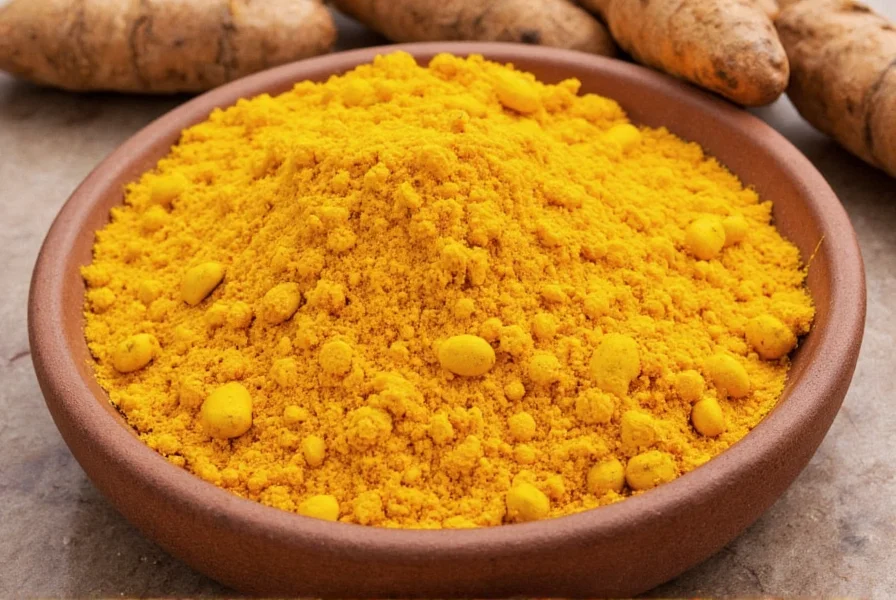
For centuries, turmeric has been celebrated in traditional medicine systems for its potential health benefits. As this golden spice has gained popularity in Western wellness circles, questions about its safety profile have emerged—particularly regarding its relationship with liver health. Understanding the nuanced connection between turmeric and liver function requires examining both the potential benefits and rare adverse effects documented in scientific literature.
The Turmeric-Liver Relationship: Separating Spice from Supplement
It's crucial to distinguish between culinary turmeric use and concentrated supplementation when evaluating liver impact. The average person consumes approximately 200-500mg of curcumin (turmeric's active compound) daily through dietary sources in regions where turmeric is commonly used in cooking. At these levels, turmeric demonstrates potential hepatoprotective properties—meaning it may actually support liver health.
Research published in the Journal of Medicinal Food indicates that curcumin's antioxidant and anti-inflammatory effects may help protect against liver damage from toxins and reduce markers of liver inflammation. However, these beneficial effects appear dose-dependent, with the therapeutic window falling well below the high concentrations found in many commercial supplements.
Scientific Evidence on Turmeric Supplement Safety
When examining curcumin supplement liver damage cases, researchers have identified several important patterns:
| Factor | Low Risk Scenario | Higher Risk Scenario |
|---|---|---|
| Dosage | <500mg curcumin daily | >1,000mg curcumin daily |
| Duration | Short-term use | Long-term continuous use |
| Liver Health | Normal liver function | Pre-existing liver conditions |
| Medication Use | No interacting medications | Taking liver-metabolized drugs |
A 2022 review in Phytotherapy Research analyzed 34 case reports of suspected turmeric-related liver injury. The review concluded that while adverse events are rare (estimated at less than 0.0002% of users), they predominantly occurred with:
- Supplement doses exceeding 1,500mg of curcumin daily
- Products containing additional ingredients like black pepper extract (piperine)
- Use by individuals with undiagnosed liver vulnerabilities
- Poor quality control in supplement manufacturing
Who Should Exercise Caution with Turmeric Supplements?
Certain populations face elevated considerations when using turmeric supplements. People with pre-existing liver conditions and turmeric use should consult healthcare providers before supplementation. This includes individuals with:
- Non-alcoholic fatty liver disease (NAFLD)
- Autoimmune hepatitis
- History of drug-induced liver injury
- Genetic variations affecting liver metabolism
Additionally, those taking medications metabolized by the liver's cytochrome P450 system—including blood thinners, diabetes medications, and certain antidepressants—should exercise caution due to potential interactions. The relationship between turmeric supplements and medication liver strain remains an active area of research.
Evidence-Based Usage Guidelines
Based on current scientific understanding, these guidelines can help minimize potential risks while maximizing benefits:
- Culinary use is generally safe: Incorporating turmeric into cooking (½-1 teaspoon daily) poses minimal risk for most people
- Supplement wisely: If using supplements, choose products providing 500mg or less of standardized curcumin daily
- Monitor for symptoms: Watch for jaundice, dark urine, abdominal pain, or unusual fatigue—potential signs of liver issues
- Quality matters: Select supplements with third-party testing verification from reputable manufacturers
- Consult professionals: Discuss turmeric supplementation with your healthcare provider if you have liver concerns
Current Research Limitations and Future Directions
While case reports of turmeric-induced liver injury exist, establishing definitive causation remains challenging. Many reported cases involve:
- Supplements containing multiple ingredients
- Pre-existing undiagnosed liver conditions
- Concurrent use of multiple medications
- Lack of standardized product formulations
The National Center for Complementary and Integrative Health notes that high-quality, long-term studies on turmeric supplement safety are still limited. Most available evidence comes from short-term clinical trials or isolated case reports rather than population-level studies.
Practical Recommendations for Safe Consumption
For those interested in turmeric's potential health benefits without unnecessary risk:
- Start with culinary incorporation before considering supplements
- Choose supplements with clear labeling of curcumin content
- Avoid products making unrealistic health claims
- Discontinue use and consult a healthcare provider if experiencing potential side effects
- Consider getting liver function tests before starting high-dose supplementation if you have risk factors
Frequently Asked Questions
Can turmeric supplements cause liver damage in healthy individuals?
While rare, there have been documented cases of liver injury in previously healthy individuals taking high-dose turmeric supplements (typically exceeding 1,000mg of curcumin daily for several weeks or months). The estimated risk remains extremely low, with most healthy individuals experiencing no adverse effects from moderate supplementation.
How much turmeric is safe for someone with fatty liver disease?
Individuals with fatty liver disease should consult their healthcare provider before using turmeric supplements. Culinary use (½-1 teaspoon daily) is generally considered safe, but therapeutic supplementation requires medical supervision. Some research suggests curcumin may benefit NAFLD at doses of 500-1,000mg daily, but this should only be undertaken with professional guidance and liver function monitoring.
What are the warning signs that turmeric might be affecting my liver?
Potential signs of liver issues related to turmeric supplementation include jaundice (yellowing of skin or eyes), dark urine, pale stools, unexplained fatigue, abdominal pain (particularly in the upper right quadrant), nausea, and loss of appetite. If you experience these symptoms while taking turmeric supplements, discontinue use immediately and consult a healthcare provider for liver function testing.
Does cooking with turmeric pose any liver risks?
No, normal culinary use of turmeric as a spice does not pose liver risks. The concentration of curcumin in dietary turmeric is significantly lower than in supplements—typically providing 200-500mg of curcumin daily in populations with high turmeric consumption. At these levels, turmeric demonstrates potential liver-protective effects rather than risks. Concerns about liver damage relate specifically to high-dose supplementation, not regular dietary use.
How long does it take for liver problems to develop from turmeric supplements?
Reported cases of turmeric-related liver injury typically develop after 1-6 months of continuous high-dose supplementation. However, individual susceptibility varies significantly. Some cases have been reported after just a few weeks of use, while others occurred after more than a year. Liver enzyme elevations often return to normal within 1-3 months after discontinuing the supplement, but medical supervision is essential for proper monitoring and management.




 浙公网安备
33010002000092号
浙公网安备
33010002000092号 浙B2-20120091-4