
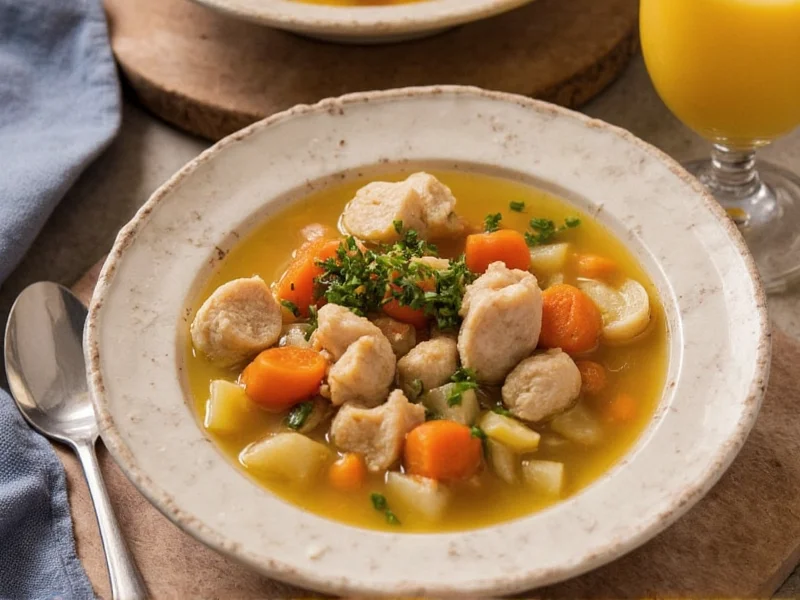
This easy turkey soup recipe transforms holiday leftovers into a comforting meal in under 60 minutes. With simple ingredients, clear instructions, and professional cooking techniques, you'll create a flavorful broth with tender turkey, vegetables, and herbs. Perfect for using Thanksgiving leftovers, this homemade turkey soup serves 6 and requires basic kitchen equipment.
The Ultimate Turkey Soup Recipe for Leftover Magic
Nothing beats the aroma of homemade turkey soup simmering on the stove, especially when it's made from holiday leftovers. This recipe solves the common post-Thanksgiving dilemma of what to do with that remaining turkey while creating a nourishing meal that rivals any restaurant version. Unlike canned alternatives, this from-scratch turkey soup delivers deep flavor through proper technique and fresh ingredients.
Why This Turkey Soup Recipe Works
Many turkey soup recipes simply combine ingredients without understanding flavor development. This version incorporates culinary principles that maximize taste:
- Layered seasoning - Adding herbs at different stages creates complexity
- Proper broth foundation - Using both store-bought broth and homemade elements
- Texture balance - Maintaining vegetable integrity while ensuring tender turkey
- Acid finish - A splash of lemon brightens the rich flavors
Professional chefs know that great soup starts with building flavors gradually, not dumping everything in at once. This approach creates a restaurant-quality turkey soup that's surprisingly simple to make at home.
Ingredients for Perfect Turkey Soup
Quality ingredients make the difference between good and great soup. Here's what you'll need:
| Ingredient | Amount | Notes |
|---|---|---|
| Cooked turkey | 3 cups, diced | White and dark meat works well |
| Chicken or vegetable broth | 6 cups | Low-sodium preferred |
| Carrots | 2 medium, diced | ¼-inch pieces for even cooking |
| Celery | 2 stalks, diced | Include leaves for extra flavor |
| Yellow onion | 1 medium, diced | Yellow provides best flavor base |
| Garlic | 3 cloves, minced | Fresh is essential for best flavor |
| Diced potatoes | 2 cups | Russet or Yukon Gold work well |
| Dried thyme | 1 tsp | Add early for flavor infusion |
| Fresh parsley | ¼ cup, chopped | Add at the end for brightness |
| Lemon juice | 2 tbsp | Essential for flavor balance |
| Olive oil | 2 tbsp | For sautéing vegetables |
Step-by-Step Turkey Soup Instructions
- Sauté the aromatics: Heat olive oil in a large pot over medium heat. Add onions, carrots, and celery. Cook for 8-10 minutes until softened but not browned.
- Add garlic and herbs: Stir in minced garlic and dried thyme, cooking for 1 minute until fragrant.
- Pour in broth: Add 6 cups of broth, scraping any browned bits from the bottom of the pot.
- Add potatoes: Bring to a gentle boil, then reduce heat and simmer for 15 minutes until potatoes are tender.
- Incorporate turkey: Add diced turkey and any accumulated juices. Simmer gently for 5-7 minutes to heat through.
- Finish with freshness: Remove from heat and stir in fresh parsley and lemon juice. Season with salt and pepper to taste.
- Rest before serving: Let soup sit for 10 minutes to allow flavors to meld before serving.
Pro Tips for Exceptional Turkey Soup
Take your turkey soup from good to extraordinary with these professional techniques:
- Reserve turkey bones: Simmer bones with broth for 30 minutes before adding other ingredients for richer flavor
- Cook vegetables properly: Don't rush the sauté step - properly softened vegetables create the flavor foundation
- Control turkey texture: Add turkey near the end to prevent it from becoming tough and stringy
- Season in layers: Add salt at multiple stages rather than all at once for balanced seasoning
- Cool before refrigerating: Let soup cool to room temperature before storing to maintain texture
Delicious Variations to Try
This versatile turkey soup recipe adapts beautifully to different preferences:
- Creamy version: Stir in ½ cup heavy cream or coconut milk at the end for a richer texture
- Gluten-free option: Ensure broth is certified gluten-free and skip any flour-based thickeners
- Asian-inspired: Add 1 tbsp ginger, 2 tbsp soy sauce, and top with sliced green onions
- Herb boost: Add 2 tbsp fresh dill or tarragon with the parsley for different flavor notes
- Extra hearty: Include 1 cup cooked rice, quinoa, or egg noodles when serving
Serving Suggestions
Complete your turkey soup experience with these serving ideas:
- Pair with crusty bread or homemade biscuits for dipping
- Garnish with additional fresh herbs for visual appeal
- Serve with a simple green salad for a complete meal
- Add a sprinkle of Parmesan cheese for extra umami
- Offer hot sauce on the side for those who prefer spice
Storage and Reheating Instructions
Proper storage maintains your soup's quality:
- Refrigeration: Store in airtight container for up to 4 days
- Freezing: Freeze in portion-sized containers for up to 3 months
- Reheating: Warm gently on stove over medium-low heat, stirring occasionally
- Reviving: Add a splash of broth when reheating if soup has thickened
Frequently Asked Questions
Can I use turkey carcass to make broth for this soup?
Yes, simmering a turkey carcass with vegetables and herbs creates an exceptional homemade broth. Simmer the carcass with 8 cups water, 1 onion, 2 celery stalks, and 2 carrots for 2-3 hours. Strain the broth and use it in place of store-bought broth for deeper flavor.
How do I prevent my turkey from becoming tough in the soup?
Add the turkey near the end of cooking, just long enough to heat through (5-7 minutes). Overcooking causes turkey to become dry and stringy. If using pre-cooked turkey, ensure it's properly stored and fresh.
What's the best way to thicken turkey soup if it's too thin?
Create a slurry by mixing 2 tablespoons cornstarch with ¼ cup cold broth. Whisk this into the simmering soup and cook for 2-3 minutes until thickened. Alternatively, mash some of the potatoes against the side of the pot to naturally thicken the broth.
Can I make this turkey soup recipe in a slow cooker?
Yes, this recipe adapts well to slow cooking. Sauté vegetables first, then transfer to slow cooker with broth and herbs. Cook on low for 6-8 hours or high for 3-4 hours. Add turkey during the last 30 minutes to prevent overcooking.
How can I add more protein to this turkey soup recipe?
Add 1 can of drained and rinsed white beans, chickpeas, or lentils during the last 15 minutes of cooking. You could also include hard-boiled eggs sliced on top when serving, or stir in some cooked quinoa for additional protein and texture.




 浙公网安备
33010002000092号
浙公网安备
33010002000092号 浙B2-20120091-4