
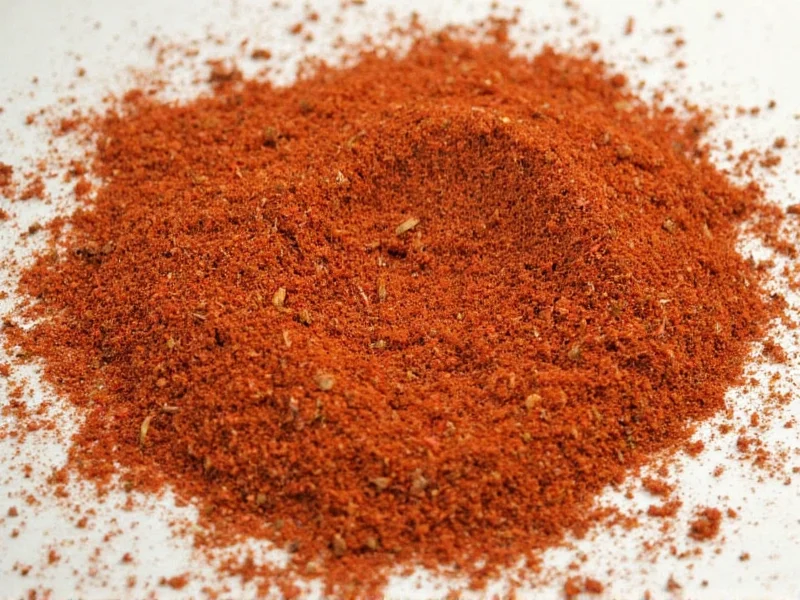
The Science Behind Effective Turkey Seasoning Rubs
Understanding why certain ingredients work in a turkey seasoning rub helps you create better results. Turkey's mild flavor and large size require robust seasoning that penetrates deeply. Unlike marinades that primarily affect surface flavor, dry rubs create a flavorful crust while allowing the skin to crisp properly during roasting.
Salt serves as the foundation of any effective turkey seasoning rub, drawing out moisture initially then helping the meat reabsorb seasoned liquids. Sugar balances savory elements and promotes caramelization. Herbs like rosemary and thyme complement poultry without overpowering it, while garlic and onion powders provide aromatic depth without burning.
Essential Components of a Perfect Turkey Rub
A well-constructed turkey seasoning rub contains four critical elements that work together to enhance flavor and texture:
| Component | Purpose | Key Ingredients |
|---|---|---|
| Salt Base | Moisture control, flavor enhancement | Kosher salt, sea salt |
| Sweet Element | Balances flavors, promotes browning | Brown sugar, maple sugar |
| Herbal Notes | Provides aromatic complexity | Thyme, rosemary, sage |
| Spice Foundation | Creates depth and warmth | Paprika, garlic powder, onion powder |
Creating Your Signature Turkey Seasoning Blend
While traditional recipes work well, customizing your homemade turkey rub ingredients lets you match personal preferences. The basic ratio follows a 4:2:1 formula—4 parts salt, 2 parts sweet element, and 1 part spice blend. This proportion ensures proper seasoning without overwhelming the turkey's natural flavor.
For a standard 12-14 pound turkey, combine these ingredients in a small bowl:
- 2 tablespoons paprika (smoked for depth)
- 1 tablespoon garlic powder
- 1 tablespoon onion powder
- 2 teaspoons dried thyme
- 2 teaspoons dried rosemary (crushed)
- 1 tablespoon freshly ground black pepper
- 1 tablespoon kosher salt
- 1 teaspoon cayenne pepper (optional for heat)
- 1 tablespoon brown sugar
Mix thoroughly until uniform in color. This simple turkey seasoning rub proportions yield enough for one large turkey with minimal waste.
Application Techniques for Maximum Flavor
How you apply your dry rub for roasted turkey significantly impacts results. For whole birds, carefully loosen the skin over the breast and thighs using your fingers, then massage about one-third of the rub directly onto the meat beneath the skin. Apply the remaining rub to the outside surface, paying special attention to crevices and the cavity.
Timing matters—apply your herb seasoning rub for turkey breast at least 12 hours before cooking, preferably 24 hours. Refrigerate uncovered during this resting period, which allows flavors to penetrate while drying the skin surface for optimal crispness. Never apply rubs immediately before cooking; this wastes their flavor-penetrating potential.
Flavor Variations to Elevate Your Turkey
Adapting your thanksgiving turkey seasoning blend to different flavor profiles keeps traditions exciting. Try these variations using the same base recipe:
- Mediterranean Twist: Add 1 teaspoon dried oregano and 1 teaspoon lemon zest to the basic blend
- Smoky Southwest: Replace regular paprika with smoked paprika and add 1 teaspoon chipotle powder
- Citrus Herb: Mix in 2 teaspoons orange zest and 1 teaspoon crushed fennel seeds
- Sweet & Savory: Increase brown sugar to 2 tablespoons and add 1 teaspoon ground cinnamon
When creating a turkey rub without MSG, focus on umami-rich ingredients like dried mushrooms (ground to powder) or tomato powder to enhance savory notes naturally.
Avoiding Common Turkey Rub Mistakes
Even experienced cooks make errors with turkey seasoning rubs. The most frequent issue is improper salt measurement—using table salt instead of kosher salt can make your rub overly salty due to different crystal sizes. Always measure by weight when precision matters.
| Salt Type | Volume Equivalent to 1 Teaspoon Table Salt | Practical Implication |
|---|---|---|
| Diamond Crystal Kosher Salt | 1.5 teaspoons | Requires 50% more volume than table salt for equal saltiness |
| Morton Kosher Salt | 1.25 teaspoons | Requires 25% more volume than table salt for equal saltiness |
| Table Salt | 1.0 teaspoon | Standard reference point for recipes |
Source: USDA Complete Guide to Home Canning (2015), Page 1-7 https://nchfp.uga.edu/publications/usda/GUIDES/Bulletin_539.pdf
Another common mistake involves applying rub to wet surfaces. Pat the turkey completely dry before seasoning to ensure proper adhesion and skin crisping. If using a brined turkey, reduce or eliminate added salt in your rub to prevent oversalting.
Many home cooks also underestimate how long rubs need to work. A quick application before roasting only flavors the surface. For truly exceptional results with your best turkey seasoning rub recipe, allow at least 12 hours for the flavors to penetrate.
Contextual Limitations: When Rubs Require Adjustment
Dry rubs excel in traditional roasting but have specific constraints requiring adaptation. According to USDA Food Safety and Inspection Service guidelines, rubs containing sugar should never be used for deep-fried turkeys as sugar caramelizes rapidly above 350°F, increasing fire risk from oil ignition. Purdue University Extension confirms this limitation, noting sugar-based rubs cause excessive smoking in deep fryers due to lowered oil smoke points.
For brined turkeys (65% of commercially sold birds per USDA data), reduce rub salt content by 50-75% to prevent oversalting. The National Center for Home Food Preservation emphasizes that rubs cannot compensate for improper brining—always verify turkey packaging for brine status before seasoning. Additionally, rubs show diminished effectiveness below 225°F smoking temperatures where sugar fails to caramelize properly, requiring recipe adjustments for slow-smoked preparations.
Source: USDA Food Safety and Inspection Service https://www.fsis.usda.gov/food-safety/safe-food-handling-and-preparation/poultry/turkey-basics-safely-thaw-cook-store | Purdue University Extension https://www.purdue.edu/fnec/food-safety/deep-frying-turkey-safety-tips/
Storage and Make-Ahead Tips
Prepare your homemade turkey rub ingredients in advance for stress-free holiday cooking. Store dry rubs in airtight containers away from light and heat. Properly stored, most turkey seasoning mixes maintain potency for 3-6 months.
For extended storage, divide your simple turkey seasoning rub proportions into recipe-sized portions and freeze in small bags. Thaw at room temperature before use. Avoid adding fresh ingredients like citrus zest to long-term storage blends, as they can introduce moisture that degrades other components.




 浙公网安备
33010002000092号
浙公网安备
33010002000092号 浙B2-20120091-4