
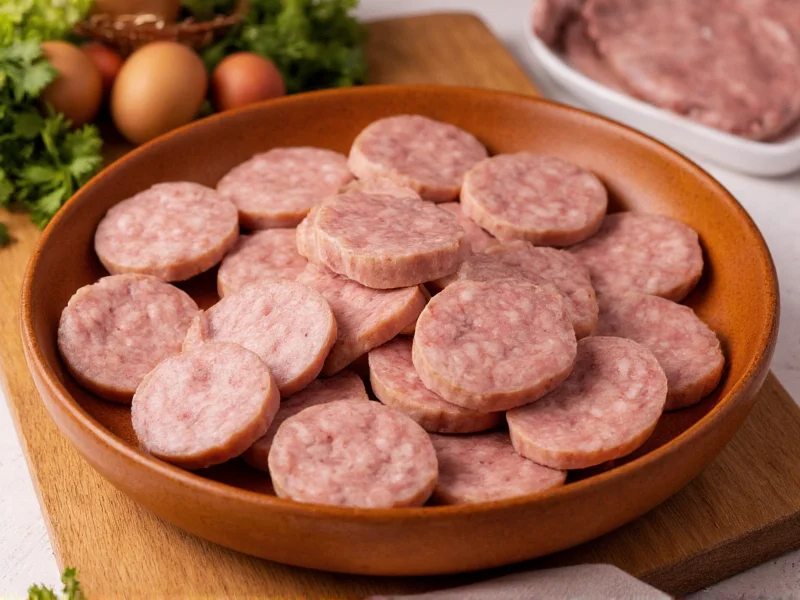
Understanding Turkey Sausage: A Healthier Protein Alternative
When evaluating turkey sausage as part of a balanced diet, it's essential to understand both its nutritional advantages and cooking characteristics. Unlike traditional pork sausage, turkey sausage provides a lean protein source that fits well within heart-healthy eating patterns recommended by nutrition professionals.
Nutritional Profile Comparison
One of the primary reasons consumers choose turkey sausage over pork varieties is the significant nutritional differences. A standard 3-ounce serving of cooked turkey sausage typically contains:
| Nutrient | Turkey Sausage | Pork Sausage |
|---|---|---|
| Calories | 150-180 | 280-330 |
| Total Fat (g) | 8-10 | 25-30 |
| Saturated Fat (g) | 2-3 | 8-10 |
| Protein (g) | 16-18 | 18-20 |
| Sodium (mg) | 400-600 | 500-700 |
This turkey sausage vs pork sausage nutrition comparison reveals why health-conscious consumers increasingly choose turkey varieties. The lower saturated fat content makes it particularly beneficial for cardiovascular health, while maintaining adequate protein levels necessary for muscle maintenance.
Historical Context and Evolution
Turkey sausage's rise as a mainstream alternative reflects decades of evolving dietary science. Following the landmark 1980 Dietary Guidelines for Americans—which first emphasized reducing saturated fat due to cardiovascular disease concerns—the USDA and HHS progressively strengthened lean protein recommendations. By the 2015-2020 edition, guidelines explicitly prioritized poultry without skin as a heart-healthy choice. This policy shift directly influenced consumer behavior: USDA Economic Research Service data shows turkey consumption increased 58% (from 14.4 to 22.8 lbs per capita) between 1970-2020, while pork sausage growth remained comparatively modest. The trajectory demonstrates how public health guidance catalyzed product innovation in the meat industry.
Cooking Properties and Techniques
Understanding how to cook turkey sausage properly is crucial because its leaner composition affects preparation. With less fat content than pork sausage, turkey sausage can become dry if overcooked. Professional chefs recommend:
- Cooking over medium heat rather than high heat
- Avoiding overcooking beyond 165°F internal temperature
- Adding moisture through ingredients like diced apples or vegetables
- Using cast-iron skillets for even heat distribution
Unlike pork sausage, which renders significant fat during cooking, turkey sausage requires careful attention to prevent sticking. A small amount of olive oil or cooking spray can help maintain moisture without significantly increasing fat content.
Best Culinary Applications
Certain dishes particularly benefit from using turkey sausage. The leaner profile works exceptionally well in:
- Breakfast dishes - Scrambles, omelets, and breakfast casseroles
- Pasta sauces - Adds protein without overwhelming richness
- Soups and stews - Provides savory depth with less grease
- Stuffings and casseroles - Maintains structure while adding flavor
When developing best recipes with turkey sausage, consider pairing it with ingredients that complement its milder flavor profile. Fennel, sage, red pepper flakes, and garlic enhance its natural taste without requiring excessive salt or fat.
Selecting Quality Products
Not all turkey sausage products deliver equal nutritional benefits. When shopping, look for:
- Products listing turkey as the first ingredient
- Lower sodium options (under 500mg per serving)
- Minimal added preservatives and fillers
- Natural casings for traditional texture
- Organic or antibiotic-free certifications if important to you
Be cautious of products labeled "ground turkey vs turkey sausage" - true sausage contains additional seasonings and sometimes small amounts of added fat for texture. Pure ground turkey lacks the characteristic sausage flavor profile.
Storage and Food Safety Guidelines
Proper handling ensures both safety and quality. Follow these turkey sausage storage guidelines:
- Refrigerate unopened packages for up to 2 weeks
- Use opened packages within 3-4 days
- Freeze for up to 6 months in airtight packaging
- Always cook to an internal temperature of 165°F
- Never refreeze previously frozen sausage
When thawing frozen turkey sausage, use refrigerator thawing rather than room temperature methods to prevent bacterial growth. The protein content in turkey sausage makes it particularly susceptible to spoilage if mishandled.
Addressing Common Concerns
Many home cooks wonder is turkey sausage healthier than regular sausage - the answer depends on preparation and consumption patterns. While turkey sausage generally offers lower fat content, some commercial varieties compensate with higher sodium levels or artificial flavorings.
For those concerned about dryness, learning how to make turkey sausage less dry involves simple techniques like adding moisture-rich ingredients during cooking or choosing products with slightly higher fat content (10-12% fat rather than extra-lean varieties).
Contextual limitations are equally important: USDA Food Safety and Inspection Service guidelines note that turkey sausage's low fat content (<10g/serving) creates binding challenges in high-fat-reliant applications like sausage gravy or deep-fried preparations. Sausages with fat content below 15% often yield crumbly textures in stuffings due to insufficient rendered fat for cohesion. For traditional dishes requiring rich mouthfeel—such as Southern-style breakfast sausage—the American Heart Association acknowledges pork-turkey blends (with 5-10% added fat) may better satisfy culinary expectations while retaining nutritional benefits.




 浙公网安备
33010002000092号
浙公网安备
33010002000092号 浙B2-20120091-4