
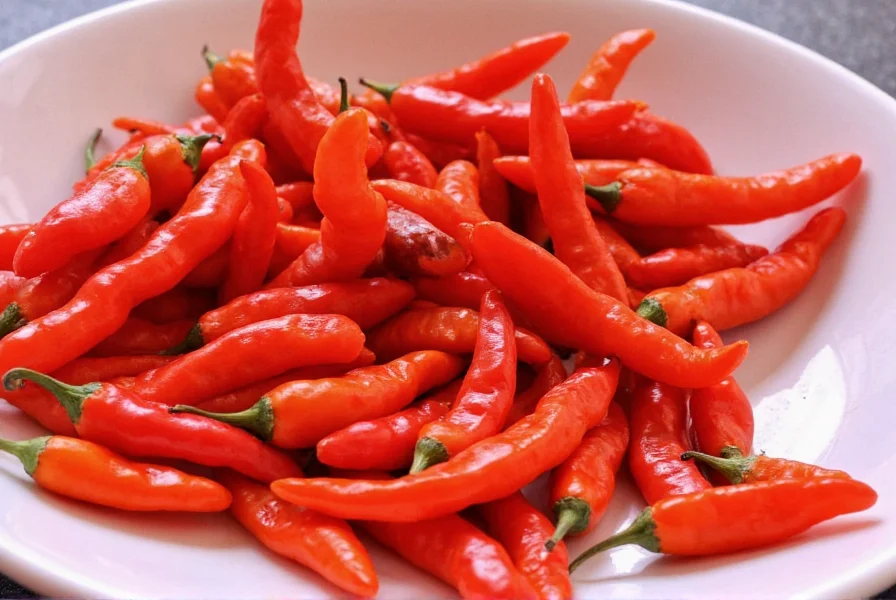
Understanding the precise heat range of the Trinidad Scorpion pepper requires examining its position on the Scoville scale, the standard measurement for chili pepper pungency. Developed by pharmacist Wilbur Scoville in 1912, this scale quantifies capsaicin concentration—the compound responsible for a pepper's burning sensation.
Trinidad Scorpion Pepper Heat Range Explained
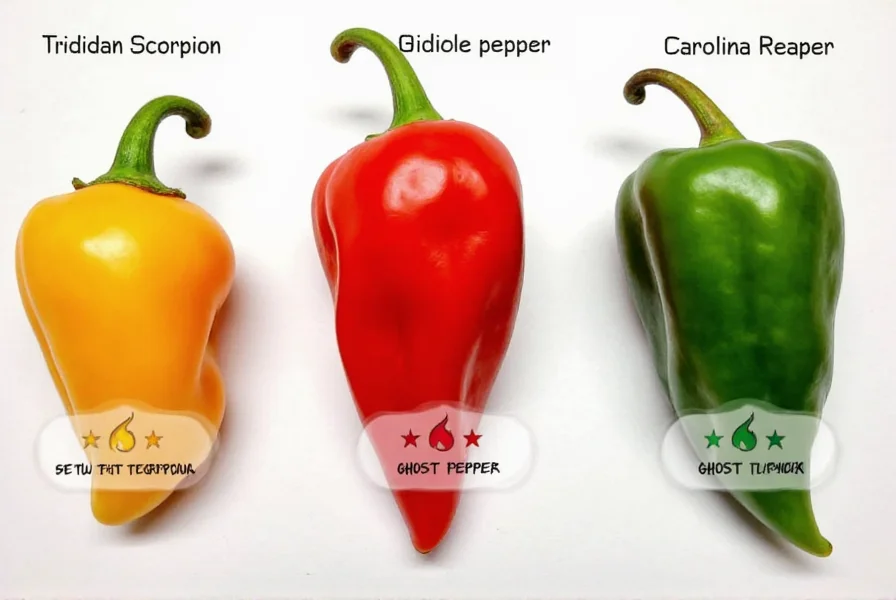
The Trinidad Scorpion pepper consistently registers between 1.2 million and 2 million Scoville Heat Units in laboratory testing. This extraordinary heat level puts it in the same category as other super-hot peppers like the Ghost Pepper (Bhut Jolokia) and the Carolina Reaper, though it generally falls slightly below the Reaper's maximum potential.
Several factors influence the exact Scoville rating of any given Trinidad Scorpion pepper:
- Growing conditions: Soil composition, climate, and water stress significantly impact capsaicin production
- Ripeness: Fully mature red peppers typically reach higher heat levels than green immature ones
- Specific variety: Different cultivars like the Trinidad Moruga Scorpion or 7 Pot Scorpion exhibit varying heat profiles
- Individual variation: Even within the same plant, heat levels can differ between peppers
| Pepper Variety | Scoville Heat Units (SHU) | Heat Comparison |
|---|---|---|
| Trinidad Scorpion | 1,200,000–2,000,000 | 400× jalapeño |
| Carolina Reaper | 1,400,000–2,200,000 | 450× jalapeño |
| Ghost Pepper (Bhut Jolokia) | 800,000–1,041,404 | 250× jalapeño |
| Habanero | 100,000–350,000 | 30× jalapeño |
| Jalapeño | 2,500–8,000 | Baseline |
Origin and Characteristics
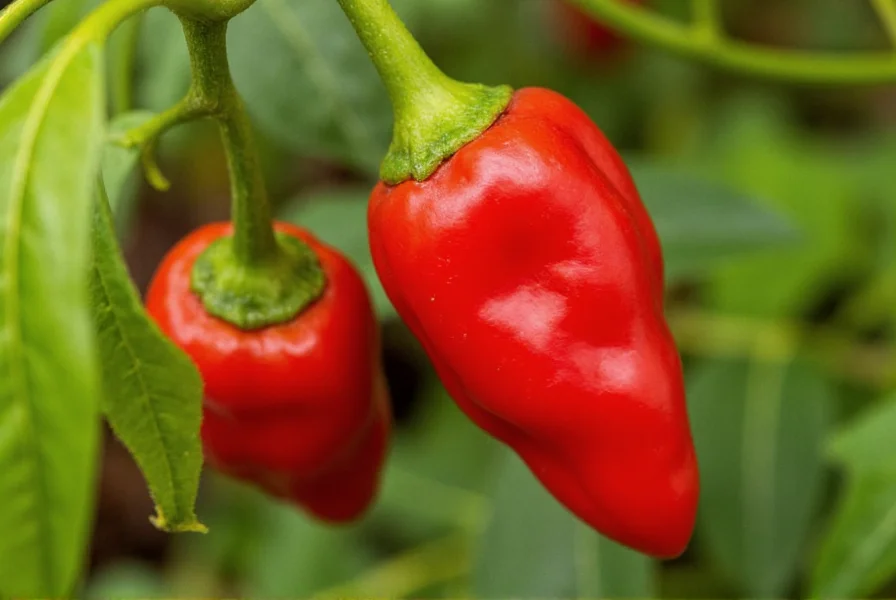
Native to Trinidad and Tobago in the Caribbean, the Trinidad Scorpion pepper earned its name from the distinctive tail-like appendage resembling a scorpion's stinger. The pepper typically grows to 2-3 inches in length with a bumpy, wrinkled texture and transitions from green to vibrant red as it matures.
Unlike many super-hots that deliver immediate heat, the Trinidad Scorpion follows a distinctive pattern: initial fruity sweetness followed by delayed but intense burning that can last 20-45 minutes. This delayed reaction often catches inexperienced eaters off guard, making proper handling essential.
Evolution of Super-Hot Peppers: A Verified Timeline
The Trinidad Scorpion's rise to prominence occurred within a documented sequence of super-hot pepper developments. Verified milestones from authoritative sources include:
- 2005: First identified in Trinidad and Tobago by local growers (documented by New Mexico State University)
- 2007: Ghost Pepper verified at 1,001,304 SHU by NMSU Chile Pepper Institute, claiming world record (Guinness World Records)
- 2011: Trinidad Scorpion Butch T certified at 1,463,700 SHU by independent laboratory testing (Guinness World Records)
- 2013: Carolina Reaper surpasses Scorpion with verified 2,200,000 SHU maximum (Guinness World Records)
Practical Applications and Safety Considerations
Given its extreme heat level, the Trinidad Scorpion pepper serves specific culinary purposes rather than everyday cooking. Professional chefs and hot sauce manufacturers use it sparingly to create:
- Specialty hot sauces requiring extreme heat
- Pepper extracts and concentrates
- Challenge foods for heat enthusiasts
- Industrial applications like animal repellents
Contextual Boundaries and Limitations
Responsible utilization requires understanding critical constraints verified through scientific research and safety protocols:
- Culinary suitability: Only appropriate for extreme-heat applications; incompatible with dishes requiring flavor balance (per Oregon State University Extension guidelines on Capsicum usage)
- Safety thresholds: Requires nitrile gloves and eye protection during handling (verified by CDC/NIOSH Publication No. 2014-100 for capsaicin exposure)
- Health contraindications: Unsafe for individuals with gastrointestinal disorders or IBS (per NIH StatPearls clinical review)
- Growing limitations: Heat potential decreases 30-50% in non-tropical climates due to reduced capsaicin synthesis (documented by Oregon State University Extension)
When handling Trinidad Scorpion peppers, safety precautions are non-negotiable. Always wear nitrile gloves, avoid touching your face, and work in well-ventilated areas. The capsaicin oils can cause severe skin irritation and temporary blindness if they contact mucous membranes. Never use plastic gloves, as capsaicin can penetrate them.
Trinidad Scorpion vs Other Super-Hot Peppers
While often compared to the Ghost Pepper and Carolina Reaper, the Trinidad Scorpion has distinct characteristics. Compared to Ghost Peppers (800,000–1,041,404 SHU), Scorpions generally register 20-50% hotter. Against the current record-holder Carolina Reaper (1,400,000–2,200,000 SHU), Scorpions typically fall slightly lower on average but can occasionally match or exceed Reaper heat in optimal growing conditions.
The flavor profile also differs significantly. Trinidad Scorpions offer more complex fruity notes with hints of citrus and tropical fruit before the intense heat hits, whereas Reapers often present earthier, smokier flavors. This makes Scorpions preferable for certain hot sauce applications where flavor complexity matters alongside extreme heat.
Growing Trinidad Scorpion Peppers
Cultivating Trinidad Scorpion peppers requires specific conditions that mimic their native Caribbean environment. These peppers need 90-100 days to mature from seed, with ideal growing conditions including:
- Tropical or subtropical climate (75°-90°F daytime temperatures)
- Well-draining, slightly acidic soil (pH 6.0-6.8)
- Consistent moisture without waterlogging
- Full sun exposure (8-10 hours daily)
- High humidity levels (60-80%)
Gardeners attempting to maximize heat levels sometimes employ controlled stress techniques like reducing water slightly during fruit development. However, excessive stress can damage plants and reduce yields. Most home growers find that standard care produces sufficiently hot peppers for all but the most extreme applications.
Responsible Consumption Guidelines
Consuming Trinidad Scorpion peppers requires careful preparation and awareness. Never eat these peppers raw without understanding your heat tolerance. If attempting to consume even a small amount:
- Start with minuscule quantities (1/8 to 1/4 of a small pepper)
- Have dairy products (milk, yogurt) immediately available to neutralize capsaicin
- Never consume on an empty stomach
- Have a clear understanding of emergency procedures if reaction is severe
Individual reactions to extreme capsaicin levels vary significantly. Some people experience temporary breathing difficulties, severe gastrointestinal distress, or even secondary headaches from the body's reaction to intense heat. Those with pre-existing gastrointestinal conditions should avoid super-hot peppers entirely.




 浙公网安备
33010002000092号
浙公网安备
33010002000092号 浙B2-20120091-4