
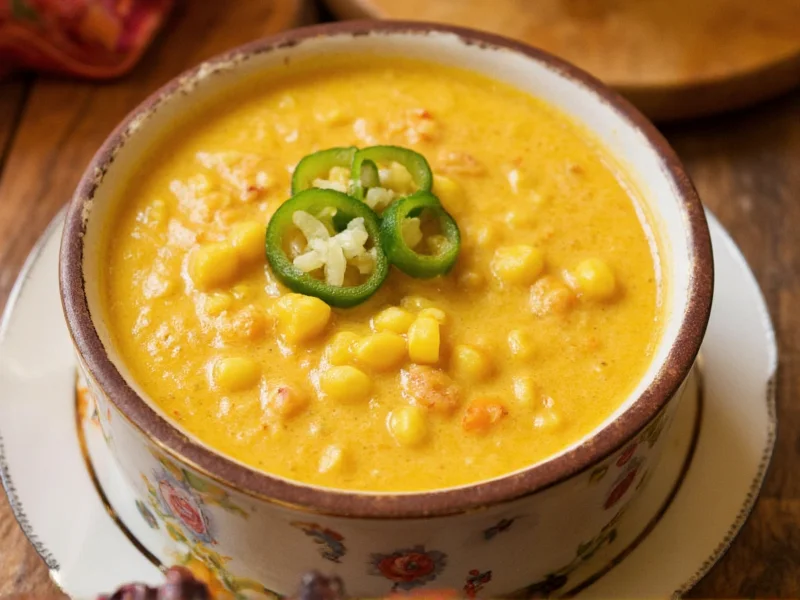
When searching for authentic Trinidad corn soup, you're likely seeking more than just ingredients—you want to understand what makes this Caribbean staple special. Unlike basic corn chowders, Trinidadian versions feature distinctive elements like sweet corn kernels simmered with aromatic chadon beni (culantro), aromatic garlic, and often enriched with coconut milk for creamy texture. Street vendors typically serve this comforting dish in disposable cups with a squeeze of fresh lime and hot pepper sauce on the side.
The Cultural Roots of Trinidad Corn Soup
Trinidad corn soup represents the island's culinary melting pot. While corn-based soups exist throughout the Caribbean, Trinidad's version uniquely blends indigenous, African, and Indian influences. Street food vendors perfected this portable meal during the 20th century, making it accessible to workers during lunch breaks. Today, it remains a popular street food item, especially during rainy afternoons or cooler evenings when Trinidadians seek comfort in this warm, nourishing dish.
Essential Ingredients for Authentic Flavor
What distinguishes traditional Trinidadian corn soup from other corn-based soups? The answer lies in specific ingredients that create its signature taste profile:
| Core Ingredient | Trinidadian Purpose | Substitution Note |
|---|---|---|
| Sweet corn kernels (fresh or frozen) | Base flavor and texture | Avoid canned corn for best results |
| Chadon beni (culantro) | Signature herbal note | Cilantro works but lacks authentic depth |
| Coconut milk | Creamy richness | Essential for authentic Trinidad version |
| Scotch bonnet pepper | Subtle heat (used whole) | Remove before serving for mild heat |
| Parsley and thyme | Herbal complexity | Fresh preferred over dried |
Step-by-Step Authentic Trinidad Corn Soup Recipe
Creating the best Trinidad corn soup requires attention to technique as much as ingredients. Follow these steps for authentic results:
- Sauté aromatics: Heat 2 tbsp oil in a large pot, then cook 1 chopped onion, 3 minced garlic cloves, and 1 diced bell pepper until softened
- Add corn base: Stir in 4 cups sweet corn kernels, 4 cups vegetable broth, and 1 cup coconut milk
- Build flavor: Add 1 whole scotch bonnet pepper, 2 sprigs fresh thyme, and 1/4 cup chopped chadon beni
- Simmer: Cook uncovered for 25-30 minutes, stirring occasionally, until slightly thickened
- Final touches: Remove scotch bonnet and thyme sprigs, then stir in 1/2 cup chopped parsley
- Season: Adjust salt to taste and add black pepper
Perfecting Your Trinidad Corn Soup Technique
Mastering Trinidad corn soup preparation involves several key techniques that elevate it from ordinary to exceptional:
- The corn treatment: For richer flavor, blend 1 cup of corn with 1/2 cup broth before adding to the pot
- Heat control: Keep soup at a gentle simmer—boiling too vigorously breaks down corn kernels
- Layering flavors: Add chadon beni early for infused flavor but parsley at the end for fresh brightness
- Texture balance: Some Trinidadians prefer slightly thickened soup—simmer uncovered longer to reduce
Traditional Serving Methods and Variations
In Trinidad, street vendors serve corn soup in disposable cups with specific accompaniments that complete the experience. Understanding these Trinidadian street food corn soup traditions enhances authenticity:
- Serving style: Always served piping hot in disposable containers with lime wedges and pepper sauce on the side
- Common additions: Many enjoy adding diced salted beef or smoked herring for protein
- Vegetable variations: Some versions include diced carrots, potatoes, or pumpkin for heartier texture
- Regional differences: Northern Trinidad versions often feature more coconut milk than southern preparations
Tips for Authentic Results Every Time
Whether you're new to Caribbean cooking or refining your technique, these practical tips ensure easy Trinidad corn soup instructions yield authentic results:
- Use fresh corn when in season for superior sweetness, but high-quality frozen corn works year-round
- Don't skip the whole scotch bonnet—it provides subtle heat without overwhelming spice
- For vegan version, ensure broth and coconut milk contain no dairy derivatives
- Let soup rest 10 minutes after cooking—flavors meld beautifully during this time
- Freeze portions for quick meals—Trinidad corn soup freezes exceptionally well
Storage and Reheating Guidelines
Proper storage maintains the quality of your Trinidad corn soup with coconut milk. Follow these recommendations:
- Refrigeration: Store in airtight container for up to 4 days—the flavors often improve overnight
- Freezing: Portion into freezer-safe containers with 1-inch headspace for up to 3 months
- Reheating: Warm gently on stove over medium-low heat, stirring occasionally—avoid boiling
- Texture adjustment: Add small amounts of broth if soup thickens too much during storage
Frequently Asked Questions
What makes Trinidad corn soup different from regular corn chowder?
Trinidad corn soup features distinctive ingredients like chadon beni (culantro), coconut milk, and whole scotch bonnet pepper that create its unique Caribbean flavor profile. Unlike American corn chowders that often use potatoes and bacon, Trinidadian versions focus on sweet corn, aromatic herbs, and creamy coconut milk without heavy dairy.
Can I make authentic Trinidad corn soup without chadon beni?
While chadon beni (culantro) provides the most authentic flavor, you can substitute with extra cilantro plus a small amount of fresh parsley. The flavor won't be identical, but it will still create a delicious soup. For best results, look for chadon beni at Caribbean or Latin American markets where it's often sold as 'recao' or 'shadow beni'.
Is Trinidad corn soup typically spicy?
Traditional Trinidad corn soup has subtle heat from a whole scotch bonnet pepper simmered in the broth, but isn't typically hot. The pepper is removed before serving, leaving just a hint of warmth. Most Trinidadians serve it with additional hot sauce on the side, allowing each person to adjust the spice level to their preference.
What are common protein additions to Trinidad corn soup?
While the basic soup is vegetarian, many Trinidadians add proteins like diced salted beef, smoked herring, or crab for special occasions. Street vendors sometimes offer versions with chicken or salted pork. For vegan options, some add chickpeas or black-eyed peas for protein content.




 浙公网安备
33010002000092号
浙公网安备
33010002000092号 浙B2-20120091-4