
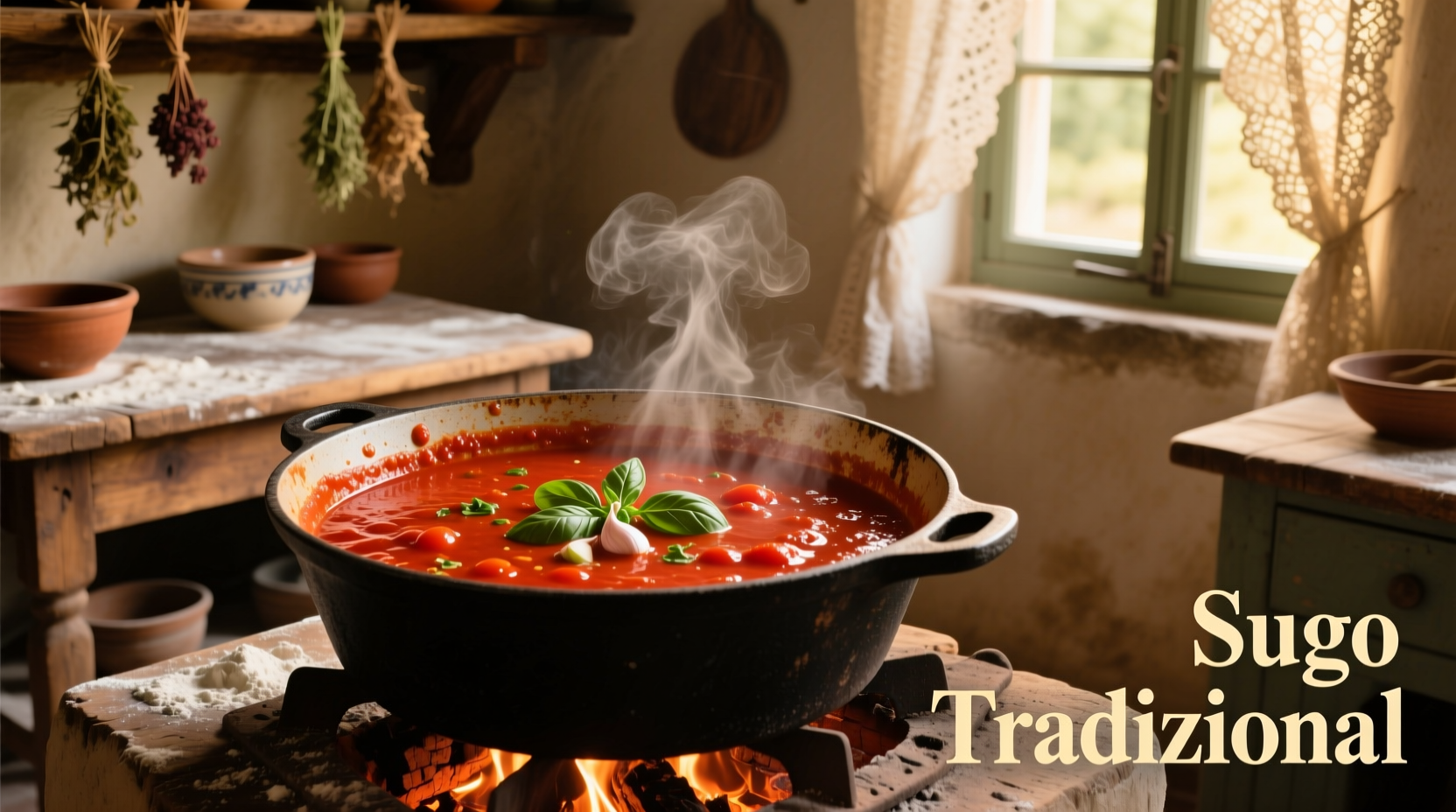
Ever wonder why your homemade tomato sauce never tastes quite like the one at your favorite Italian restaurant? The secret lies in understanding what truly makes a tomato sauce traditional. Forget the jars lining supermarket shelves—authentic traditional tomato sauce represents centuries of culinary refinement where simplicity and quality ingredients reign supreme.
The Heart of Italian Cooking: What Defines Traditional Tomato Sauce
Traditional tomato sauce isn't just a recipe—it's a philosophy. Unlike modern commercial versions packed with sugar, citric acid, and preservatives, authentic Italian tomato sauce follows strict principles:
- Minimal ingredients—never more than 5 core components
- Seasonal, ripe tomatoes—typically San Marzano DOP variety
- Slow cooking process—minimum 2 hours to develop flavor
- No added sugar—relying on natural tomato sweetness
- Olive oil foundation—never vegetable or seed oils
According to the Accademia Italiana della Cucina, Italy's official culinary authority, "true traditional tomato sauce should express the terroir of its ingredients, not mask them with additives." This standard separates authentic preparations from the 90% of commercial sauces that contain unnecessary additives.
From New World Fruit to Italian Staple: A Culinary Timeline
Tomatoes arrived in Europe from the Americas in the 16th century but weren't widely accepted as food until the 18th century due to initial beliefs they were poisonous. The evolution of traditional tomato sauce followed this trajectory:
| Period | Development | Key Change |
|---|---|---|
| 1540s | Tomatoes arrive in Europe | Considered ornamental, not edible |
| 1700s | First recorded tomato sauce recipes | Appeared in Italian cookbooks as "salsa di pomodoro" |
| 1800s | Tomato cultivation expands in Naples | San Marzano variety developed near Mount Vesuvius |
| 1950s | Post-war Italian migration | Traditional techniques spread globally |
This historical progression explains why authentic traditional tomato sauce remains deeply regional—what works in Naples might differ from Sicilian or Roman preparations. The University of Gastronomic Sciences in Pollenzo confirms that "over 30 distinct traditional tomato sauce variations exist across Italy's 20 regions, each tied to local agricultural practices."
Your Authentic Traditional Tomato Sauce Blueprint
Creating genuine traditional tomato sauce requires respecting both ingredients and process. Here's what you need to know before you start cooking:
Essential Ingredients Checklist
The magic happens through quality, not quantity. These four components form the foundation:
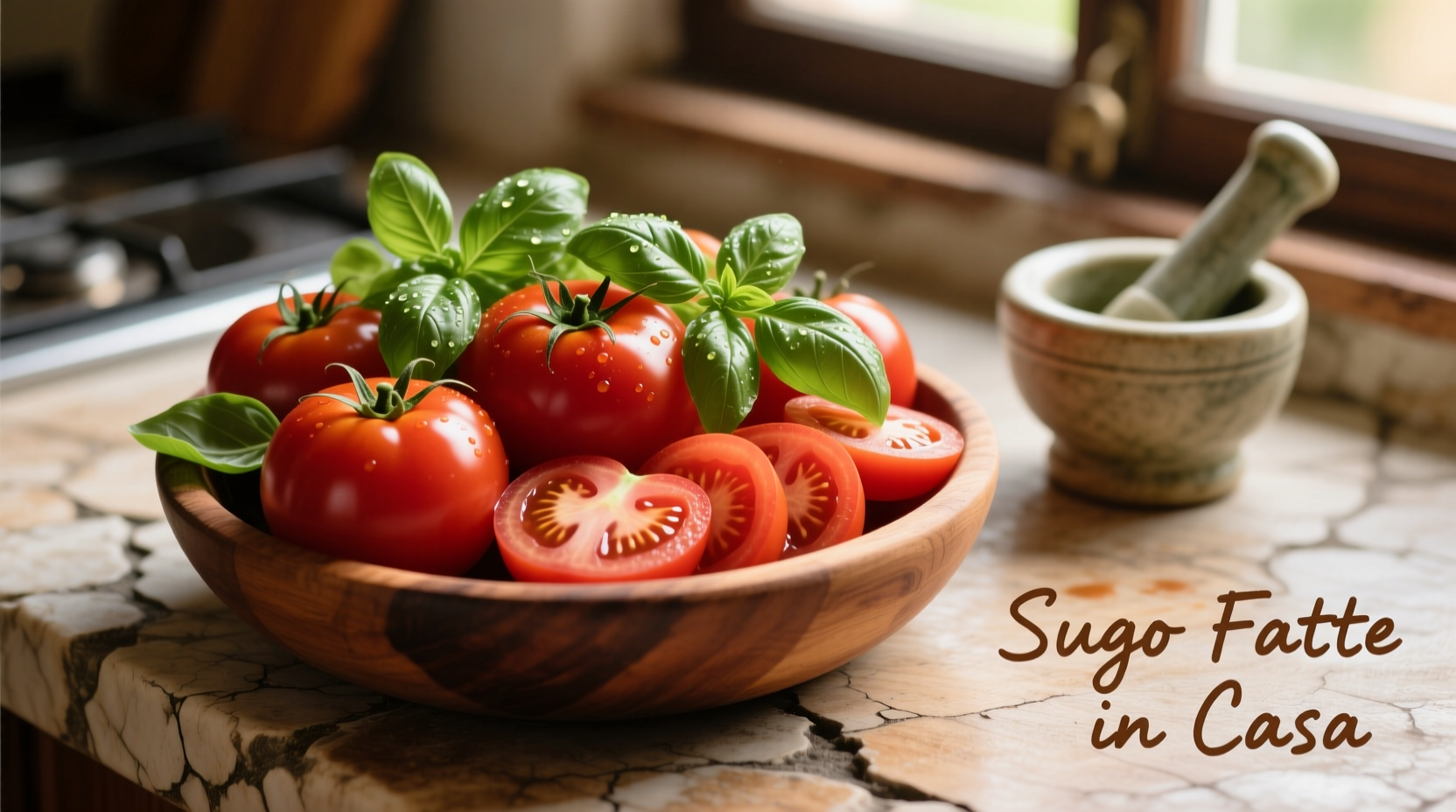
- Tomatoes: 2.2 lbs (1 kg) San Marzano DOP tomatoes (preferably whole, canned in tomato juice)
- Olive oil: 3-4 tbsp of high-quality extra virgin olive oil
- Aromatics: 2-3 garlic cloves (peeled but left whole) and 5-6 fresh basil leaves
- Seasoning: Sea salt to taste (about 1 tsp)
Avoid common pitfalls: never use onion (a modern addition), sugar, or wine in authentic traditional tomato sauce. The Città della Pieve Culinary Institute emphasizes that "traditional Italian tomato sauce celebrates the pure flavor of tomatoes, not competing elements."
Step-by-Step Preparation Guide
Follow this professional technique for authentic results:
- Prep work: Crush tomatoes by hand or pulse briefly in a food processor (never puree completely)
- Heat foundation: Warm olive oil in heavy-bottomed pot over medium-low heat
- Sweat garlic: Add whole garlic cloves and cook until golden (2-3 minutes), then remove
- Simmer slowly: Add tomatoes and basil, bring to gentle simmer, then reduce heat to lowest setting
- Patience pays: Cook uncovered for 2-3 hours, stirring occasionally, until sauce coats the back of a spoon
- Final touch: Season with salt during last 30 minutes of cooking
The critical factor? Temperature control. Traditional sauce never boils vigorously—it should maintain a gentle bubble no more than once every 10 seconds. This slow transformation develops complex umami compounds while preserving fresh tomato brightness.
Regional Variations: When to Use Which Traditional Sauce
Understanding regional differences helps you choose the right traditional sauce for your dish. These context boundaries matter:
- Naples style: Thicker consistency, cooked longer (3+ hours), perfect for baked pasta dishes like lasagna
- Rome variation: Slightly thinner, includes a pinch of oregano, ideal for coating long pasta shapes
- Sicilian version: Features a touch of sautéed eggplant, best served with short pasta or seafood
- Northern Italian: Rarely made traditionally (tomatoes less central to cuisine), when prepared uses fewer tomatoes with more vegetable broth
The Italian Foundation for Culinary Culture notes that "matching sauce style to pasta shape represents the true test of traditional Italian cooking knowledge." For example, thick Neapolitan sauce would overwhelm delicate angel hair pasta but perfectly complements sturdy rigatoni.
Modern Kitchen Adaptations Without Sacrificing Authenticity
While traditional methods require time, you can maintain authenticity with these practical adjustments:
- Tomato selection: When San Marzanos aren't available, choose whole peeled tomatoes labeled "product of Italy" with minimal ingredients
- Time-saving tip: Cook sauce partially (1.5 hours), then finish heating while pasta cooks (final 20 minutes develops crucial flavor)
- Storage wisdom: Freeze in ice cube trays (1 cube = sauce for 1 portion pasta), maintains quality for 6 months
- Flavor boost: Add a Parmesan rind during last 30 minutes of cooking for natural umami enhancement
Remember that traditional tomato sauce should taste bright yet deeply savory—not overly sweet or acidic. The perfect traditional sauce achieves balance where no single element dominates, creating that characteristic "umami bomb" Italian chefs describe as sapidità (savoriness).
Preserving Culinary Heritage in Every Jar
Creating traditional tomato sauce connects you to centuries of Italian culinary wisdom. By respecting the simple formula of quality ingredients and patient cooking, you're not just making dinner—you're participating in a living food tradition. The next time you open a jar of commercial sauce, remember that authentic traditional tomato sauce requires your hands, your attention, and your appreciation for culinary heritage. Start with just tomatoes, olive oil, garlic, basil, and salt—and discover why this timeless combination has endured for generations.
Frequently Asked Questions
Can I use fresh tomatoes instead of canned for traditional tomato sauce?
Yes, but only during peak tomato season (July-September) with ripe San Marzano or similar plum tomatoes. You'll need about 3 lbs fresh tomatoes per 2.2 lbs canned yield after peeling and seeding. Off-season, high-quality canned San Marzano DOP tomatoes actually provide more consistent flavor.
Why shouldn't I add sugar to traditional tomato sauce?
Traditional Italian cooking relies on naturally ripe tomatoes for sweetness. Adding sugar masks the tomato's true flavor and indicates poor quality ingredients. If your sauce tastes too acidic, simmer longer to concentrate natural sugars or add a small Parmesan rind for umami balance instead.
How can I tell when traditional tomato sauce is perfectly cooked?
The "spoon test" determines readiness: dip a wooden spoon in the sauce, then run your finger across the back. If the line holds clearly without sauce flowing back, it's properly reduced. Authentic traditional sauce should coat pasta without pooling at the bottom of the plate.
What's the difference between traditional tomato sauce and marinara?
Traditional tomato sauce simmers 2-3 hours for deep flavor development, while marinara cooks 20-30 minutes for brighter, fresher taste. Marinara typically includes onions and sometimes red pepper flakes, which authentic traditional sauce omits. The slow cooking transforms traditional sauce's texture and complexity significantly.




 浙公网安备
33010002000092号
浙公网安备
33010002000092号 浙B2-20120091-4