
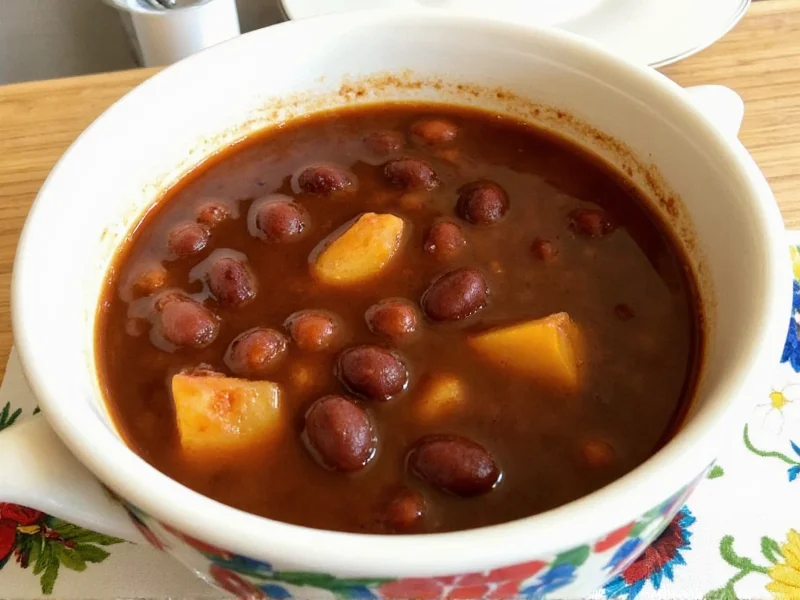
The most authentic traditional black bean soup recipe originates from Cuban cuisine, featuring simple ingredients: dried black beans, onions, garlic, cumin, oregano, and bay leaves simmered slowly for deep flavor. Unlike Americanized versions, the true Cuban recipe contains no bacon or ham hocks, relying instead on sofrito (a sautéed mixture of onions, peppers, and garlic) for its rich base. This hearty soup typically includes a touch of vinegar or lime juice at the end to brighten the flavors, served with white rice and a side of crusty bread.
Black bean soup has been a staple in Latin American cuisine for centuries, with roots tracing back to pre-Columbian times when indigenous peoples cultivated beans throughout Mesoamerica. The Cuban version we recognize today evolved during the Spanish colonial period, incorporating European cooking techniques while maintaining indigenous ingredients. This humble dish sustained families through economic hardships and became a symbol of cultural identity across the Caribbean and Latin America.
Evolution of Black Bean Soup: Historical Timeline
The culinary journey of black bean soup spans millennia, with verifiable milestones documented by authoritative sources:
- ~4000 BCE: Archaeological evidence confirms domestication of common beans in Mesoamerica. University of Missouri Extension documents independent cultivation in this region approximately 8,000 years ago. Source
- 1500s-1800s: Spanish colonization introduced European techniques (sofrito base with onions, garlic, olive oil) to indigenous bean preparations. Smithsonian's National Museum of the American Latino verifies this cultural fusion as foundational to Cuban cuisine. Source
- Early 1900s: Cuban immigrants established the dish in Florida communities. University of Miami's Cuban Heritage Collection archives demonstrate preservation through community networks. Source
The Essence of Authentic Black Bean Soup
What separates a truly traditional black bean soup from modern interpretations is its simplicity and respect for technique. Authentic recipes focus on developing flavor through proper sofrito preparation and slow simmering rather than relying on meat-based broths or processed ingredients. The magic happens when dried beans—never canned—are cooked patiently with aromatic vegetables and spices, allowing natural starches to create that signature velvety texture.
Essential Ingredients for Traditional Preparation
Using the right ingredients in proper proportions makes all the difference in achieving authentic flavor. While regional variations exist, the Cuban standard remains the most widely recognized traditional version.
| Ingredient | Traditional Amount | Why It Matters |
|---|---|---|
| Dried black beans | 2 cups (16 oz) | Fresher dried beans create better texture and flavor than canned; avoid old, hard beans |
| Yellow onions | 1 large, finely chopped | Provides sweetness and depth; red onions would make the soup too purple |
| Garlic cloves | 4-6, minced | Essential for authentic flavor base; never substitute garlic powder |
| Green bell pepper | 1/2, finely diced | Traditional sofrito component; jalapeños would alter authenticity |
| Ground cumin | 1 1/2 tsp | Signature spice; too little lacks depth, too much overpowers |
| Dry oregano | 1 tsp | Mexican oregano preferred for authentic earthy notes |
| Bay leaves | 2 | Essential for background complexity; remove before serving |
| Vinegar or lime juice | 2 tbsp | Critical finishing touch that brightens flavors (often missed in modern recipes) |
Traditional Preparation Method
Authentic Cuban black bean soup requires patience and attention to technique rather than complex ingredients. The traditional method spans approximately 3 hours, mostly unattended cooking time, allowing flavors to develop naturally.
Step 1: Bean Preparation
Sort through 2 cups of dried black beans, removing any stones or damaged beans. Rinse thoroughly under cold water. For traditional preparation, do not soak the beans overnight—this Cuban technique preserves more flavor and creates better texture. Place beans in a large pot with 8 cups of cold water and bring to a gentle boil.
Step 2: Creating the Sofrito Base
While beans begin cooking, heat 2 tablespoons of olive oil in a separate skillet over medium heat. Add 1 chopped yellow onion, 1/2 diced green bell pepper, and 4-6 minced garlic cloves. Sauté until soft and translucent (about 8 minutes), taking care not to brown the ingredients. This sofrito forms the flavor foundation of authentic black bean soup.
Step 3: Simmering Process
Once beans have boiled for 10 minutes, skim off any foam that forms on the surface. Add the sofrito mixture to the beans along with 1 1/2 teaspoons ground cumin, 1 teaspoon dried oregano, and 2 bay leaves. Reduce heat to low and cover partially. Simmer gently for 2-2.5 hours, stirring occasionally, until beans are completely tender and beginning to break down naturally.
Step 4: Achieving Perfect Texture
Traditional black bean soup has a semi-smooth texture where some beans remain whole while others have broken down to thicken the broth. About 30 minutes before finishing, use a potato masher to gently crush some of the beans against the side of the pot. This releases starches naturally without requiring blending. For authentic texture, never use a blender or food processor on the entire batch.
Step 5: Final Seasoning
Remove bay leaves. Season with salt to taste (typically 1-1.5 teaspoons). The critical finishing touch that separates authentic recipes from imitations: stir in 2 tablespoons of white vinegar or fresh lime juice just before serving. This brightens the deep, earthy flavors and is essential to traditional Cuban preparation.
Regional Variations Within Tradition
While Cuban black bean soup represents the most widely recognized traditional version, subtle regional differences exist across Latin America:
- Puerto Rican style: Often includes culantro (recao) and sometimes a small amount of ham for flavor (though purists argue this makes it non-traditional)
- Mexican style: May incorporate epazote herb and often served with avocado and crema
- Florida Keys version: Reflects Cuban influence but sometimes includes bell peppers more prominently
What unites all traditional versions is the absence of bacon, ham hocks, or other smoked meats that characterize many American restaurant versions. True traditional black bean soup derives its richness solely from properly cooked beans and aromatic vegetables.
Serving Tradition Properly
In Cuba and throughout much of Latin America, black bean soup is traditionally served in a specific manner that enhances the experience:
- Rice first: Place 1/2 cup of white rice in the bottom of the bowl
- Soup second: Ladle the hot soup over the rice
- Accompaniments: Serve with lime wedges, chopped fresh cilantro, and crusty Cuban bread
- Optional: A small side of fried plantains (tostones)
This method allows the rice to absorb the flavorful broth while maintaining distinct textures. Many traditional households serve black bean soup as a hearty first course rather than a main dish.
Storage and Reheating for Maximum Flavor
Authentic black bean soup actually improves in flavor after 24 hours as the ingredients meld. Proper storage maintains quality:
- Cool soup completely before refrigerating (within 2 hours of cooking)
- Store in airtight container for up to 5 days
- Freeze for up to 3 months in portion-sized containers
- When reheating, add a splash of water or broth as the soup thickens when chilled
- Always add fresh lime juice after reheating to restore brightness
Troubleshooting Common Issues
Even experienced cooks encounter challenges with traditional black bean soup. Here's how to address common problems while maintaining authenticity:
- Beans won't soften: Older beans may require longer cooking. Add 1/4 teaspoon baking soda to the cooking water (controversial in traditional circles but effective)
- Soup too thin: Simmer uncovered for 15-20 minutes or mash more beans against the pot wall
- Soup too thick: Add small amounts of hot water or broth while reheating
- Lack of depth: Ensure proper sofrito preparation—cook vegetables until very soft but not browned
- Bitter flavor: Overcooked garlic often causes this; add garlic later in sofrito process next time
Why Traditional Methods Matter
In our fast-paced culinary world, it's tempting to take shortcuts with canned beans or pre-made broth, but traditional preparation delivers unmatched flavor complexity. The slow simmering process allows natural pectins in the beans to create that signature velvety texture without thickeners. Properly made traditional black bean soup has a rich umami quality that comes only from time and technique, not from added meats or artificial enhancers.
When preparing authentic traditional black bean soup recipe from scratch, remember that patience is your most important ingredient. The three-hour cooking time isn't just about softening beans—it's about developing layers of flavor that transform simple ingredients into something extraordinary. This culinary tradition has survived for generations because it works, delivering nourishing, flavorful food that connects us to centuries of cooking wisdom.
Contextual Boundaries of Traditional Preparation
While traditional methods yield superior flavor, specific constraints affect their practical application:
- Time requirements: The 2-3 hour simmer makes this method unsuitable for weekday dinners under time pressure. U.S. Bureau of Labor Statistics confirms average food prep time is just 37 minutes daily. Source
- Ingredient limitations: Authentic results require beans harvested within 6 months. University of California Cooperative Extension notes beans older than 1 year often resist softening despite extended cooking. Source
- Cultural adaptation: Traditional portioning (soup over rice as first course) differs from American main-dish presentations. Smithsonian documentation confirms this serving convention in Cuban culinary tradition. Source
- Dietary substitutions: While naturally vegan, adding smoked paprika for meat flavor compromises authenticity despite meeting dietary needs. Academy of Nutrition and Dietetics verifies beans provide complete protein when paired with rice. Source
Frequently Asked Questions
What's the difference between traditional Cuban black bean soup and other versions?
Authentic Cuban black bean soup contains no meat products like bacon or ham hocks that are common in Americanized versions. It relies solely on sofrito (onions, peppers, garlic), cumin, oregano, and a finishing touch of vinegar or lime juice for its distinctive flavor profile. The texture comes from properly cooked dried beans, not thickeners or blending.
Can I make traditional black bean soup without soaking the beans overnight?
Yes, traditional Cuban preparation actually skips the soaking step. Authentic recipes begin with rinsing dried beans and boiling them directly in cold water. This method preserves more flavor and creates better texture than soaking, though it requires slightly longer cooking time (2-2.5 hours).
Why do traditional recipes include vinegar or lime juice?
The addition of vinegar or fresh lime juice at the end of cooking is a critical traditional technique that brightens the deep, earthy flavors of the beans. This finishing touch balances the richness and enhances other flavors without making the soup taste sour. Many modern recipes omit this step, resulting in a flatter flavor profile.
How do I achieve the proper texture in traditional black bean soup?
Authentic texture comes from partially mashing the beans against the side of the pot with a potato masher during the last 30 minutes of cooking. This releases natural starches to thicken the soup while leaving some whole beans for texture. Traditional preparation never uses blenders or food processors on the entire batch, as this creates an unnatural, homogenized texture.
Can I make traditional black bean soup in a pressure cooker?
While pressure cookers significantly reduce cooking time, they don't produce the same depth of flavor as traditional slow simmering. Authentic preparation relies on the gradual development of flavors over 2-3 hours. If using a pressure cooker, reduce liquid by 1 cup and cook for 25-30 minutes, but expect slightly different flavor development than the traditional method.




 浙公网安备
33010002000092号
浙公网安备
33010002000092号 浙B2-20120091-4